
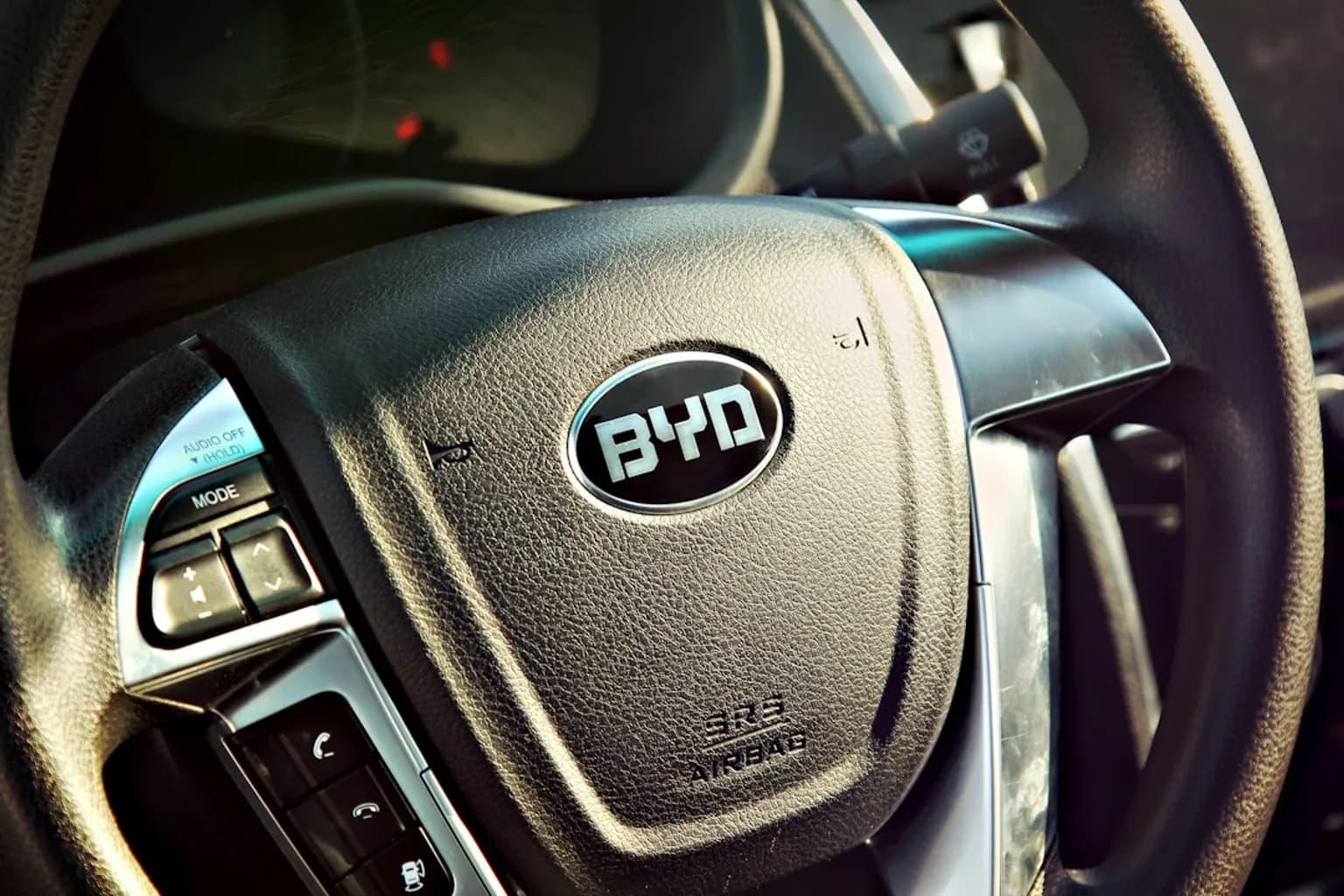
The European Union is weighing whether to extend trade measures on Chinese-made vehicles to hybrids after imports surged through a gap in the bloc’s tariff policy. Chinese automakers captured a record 12% share of new passenger car sales across Europe in August, while brands including BYD and Chery accounted for one in three plug-in hybrid vehicle, or PHEV, sales across the EU.
Brussels imposed anti-subsidy duties of up to 45% on Chinese battery electric vehicles, or BEVs, in October 2024. Regular hybrids and PHEVs remained subject to the flat 10% baseline applied to all vehicle imports. Since then, hybrid imports from China have risen by more than tenfold, from 3,800 vehicles in October 2024 to roughly 50,000 in July 2026.
The rise has left the Commission facing a decision over whether to begin a formal case covering hybrid vehicles, seek an agreement with Beijing, or pursue both routes. Brussels has asked China to voluntarily cap hybrid exports at 15% of the EU market, down from more than a third currently. The terms China might accept, and whether it would agree to export restraint or pricing arrangements, remain unclear.
Industry Commissioner Stéphane Séjourné has reportedly questioned why measures applied to BEVs should not also cover hybrids. Volkswagen has called for hybrid tariffs to match those levied on BEVs. BMW’s chief executive, Milan Nedeljkovic, took a different view, telling FAZ that voluntary pricing agreements would be preferable to formal tariffs.
The Commission has yet to open a formal investigation. Olof Gill, a European Commission spokesperson, said: “There is no ongoing investigation into exports of hybrid vehicles from China to the European Union”.
Trade Commissioner Maros Sefcovic is due to meet China’s commerce minister, Wang Wentao, before travelling to Beijing in early October. The EU established a trade forum with China in June 2026, providing a channel for discussions as the bloc seeks to manage competition in its car market.
The pressure is increasing as Chinese exports grow. China’s passenger vehicle exports rose 77.5% year-on-year to 894,000 units in August 2026. China projects 12 million vehicle exports for 2026 and 18–20 million by 2030.
Chinese hybrid exports to the EU surged 155% during 2025. Demand for battery and hybrid vehicles across the market also rose, with overall demand jumping 27% year-on-year in August. That demand has increased the commercial stakes for European manufacturers already facing electrification demands and stagnating consumer demand.
Germany’s government, led by Chancellor Friedrich Merz, is targeting cabinet approval on October 14 for a package that may include hybrid-specific tariffs. The EU’s broader response to pressures on its automotive sector has included deregulatory and trade-defence measures, EU-level funding and the potential introduction of “Made in EU” requirements.
Those measures carry a cost for buyers. Tariffs and requirements based on EU origin raise consumer prices, while manufacturers differ over whether protection or negotiated pricing is the better route.
Britain adds another complication. More than one in five new cars sold in the UK is now Chinese. It remains unknown how Britain plans to coordinate, if at all, with EU action on Chinese vehicle tariffs while seeking equal treatment for its exports without joining an EU customs union.
For Brussels, the choice is becoming more urgent. Extending duties to hybrids would close the difference between the 10% charge on those vehicles and the duties of up to 45% on Chinese BEVs. A voluntary cap could avoid a wider tariff dispute, though it would depend on agreement with Beijing and on a common EU position that has yet to emerge.



Comments (0)