
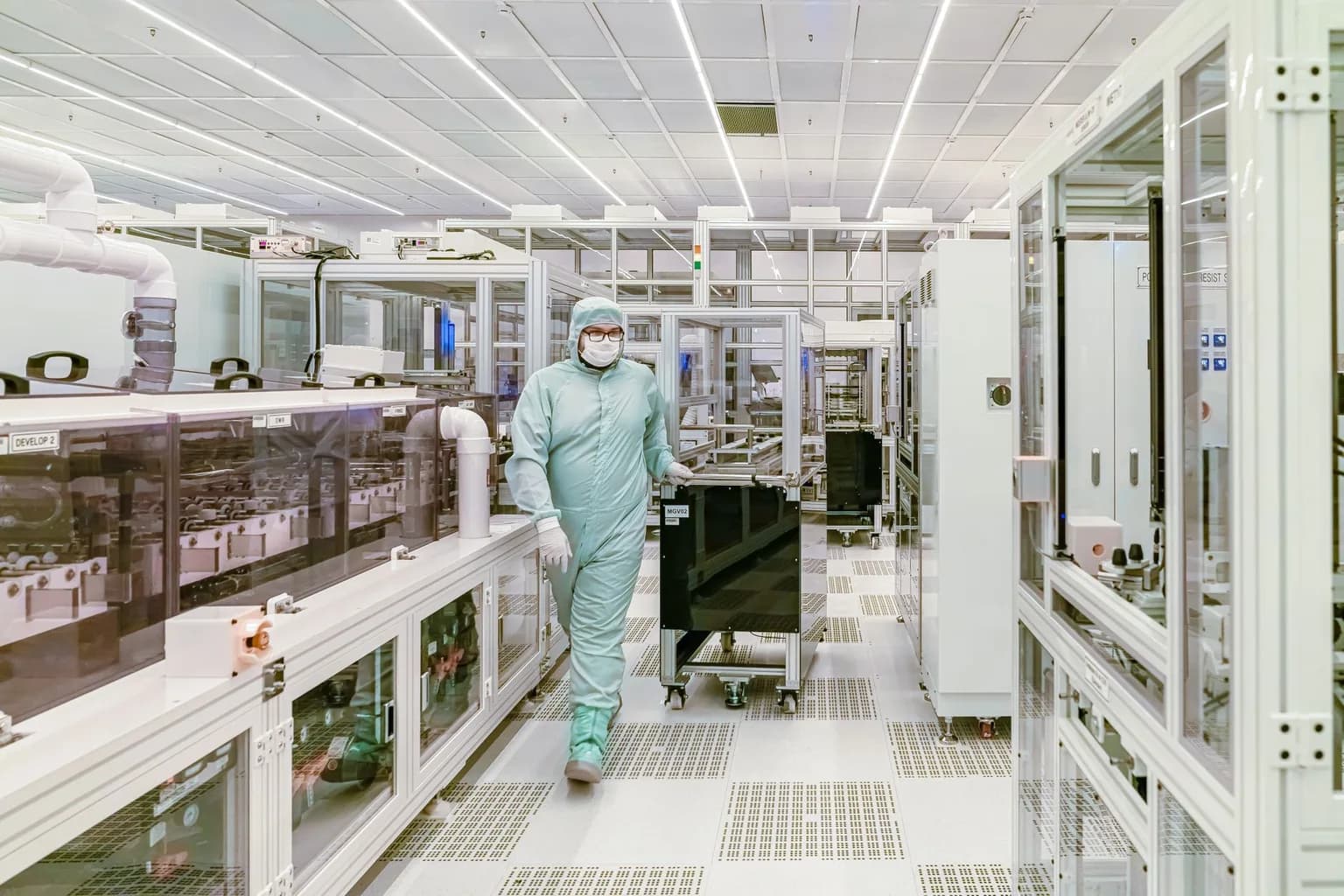
Japan and the United States are negotiating a semiconductor factory to be operated by GlobalFoundries, in what would be the first major chip investment under their $550 billion bilateral pact. The project would give Tokyo a route to direct capital towards an industry it sees as important to the next phase of the agreement, while meeting commitments that underpin limits on US tariffs for most Japanese products.
The factory is projected to cost between ¥2 trillion and ¥3 trillion ($12.9 billion and $19.3 billion), according to Nikkei Asia. Its location and a timetable for construction or operations have yet to be disclosed. Neither government has made public comment on the negotiations.
GlobalFoundries makes mature and specialty logic semiconductors used in cars, phones and industrial equipment. It does not make the cutting-edge processors used to train artificial intelligence models, which means the proposed factory would strengthen supply in established industrial chip markets rather than add capacity for those AI processors.
Tokyo agreed to invest $550 billion in the US as part of a broader trade deal that reduced tariffs on Japanese exports. Under that agreement, US tariffs on the majority of Japanese products were limited to 15 percent.
The arrangement makes the investment programme central to the tariff terms. Japan must review selected initiatives and begin funding them within 45 business days. The bilateral pact requires the funds to flow before January 2029. If approved projects are left unfunded, Washington can restore punitive duties under the agreement’s terms. Those tariffs could rise as high as 25 percent if capital transfers stall.
The investment programme has so far focused on energy and materials. The first two instalments, amounting to $109 billion, were allocated to oil, gas, minerals, nuclear power and gas-fired power stations. Earlier tranches approved under the initiative totalled $36 billion and funded a gas power plant in Ohio, a Texas crude oil terminal and a synthetic diamond facility in Georgia.
None of the money has yet been spent on chips or AI. Japan’s trade minister said chips and AI would carry ‘very significant weight’ in the next group of projects. The earlier energy and materials investments support AI infrastructure, while the GlobalFoundries proposal would shift the programme towards semiconductor production itself.
Japan’s Economy Minister Ryosei Akazawa concluded trade talks in Washington on 4 September 2026. During those discussions, Akazawa offered new capital commitments in an effort to secure an exemption for Japanese semiconductors from proposed US import tariffs.
Tokyo is seeking a full exemption from any new semiconductor levies. The GlobalFoundries project has yet to receive a public confirmation from either government, though its scale would make it a significant test of whether the investment pact can move from energy and materials projects into semiconductor manufacturing before the January 2029 deadline.




Comments (0)