
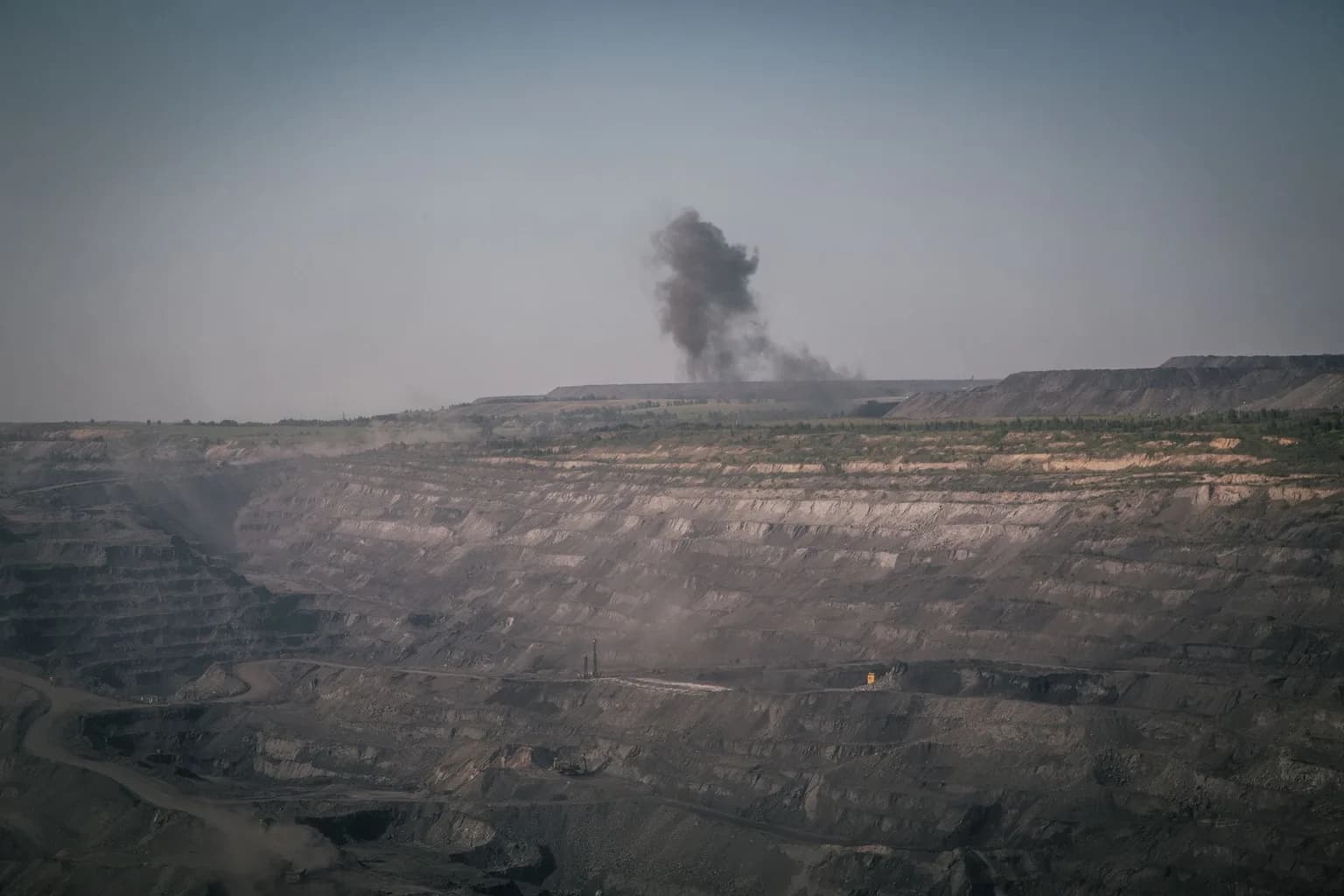
The North Caterpillar tungsten mine held its launch ceremony at the end of August in Xie District, Karaganda Oblast, as United States-backed ventures seek a foothold in Kazakhstan’s tungsten industry.
Site levelling, geodetic surveying and work on access roads had been under way since July.
The project emerged from a framework agreement finalised during Tokayev’s visit to the United States in November 2025. A US-Kazakhstan Memorandum on critical minerals cooperation was signed that month. The equity and shareholder agreement closed in February 2026, followed by the completion of financial delivery in April.
Cove Kaz Capital Group, a subsidiary of Cove Capital in the United States, holds 70% of Northern Katpar LLP, the project company. Tau Ken Samruk, a state-owned asset in Kazakhstan, holds the remaining 30%. Total investment in North Caterpillar is 1.1 billion US dollars.
Documents for the final feasibility study are planned for submission by the end of 2027. The mine is due to begin mining in 2030, with annual production of approximately 5000 tons of tungsten trioxide.
The project sits within a broader US push to build a tungsten supply chain in Kazakhstan, which holds approximately 2 to 2.4 million tonnes of tungsten resources, representing over 10% of global reserves. North Caterpillar and the planned Upper Kailakhat mine have total annual output approaching 12000 tons on an APT level scale, equal to about 15% of current global production.
China has dominated tungsten for decades. Beijing introduced export controls on selected tungsten products in February 2025. Global tungsten prices have risen more than 200 per cent since May 2025, according to Argus Media, while tungsten concentrate prices have roughly tripled since January.
The shortage has reached US oilfield equipment makers. Ulterra Drilling Technologies said the cost of making drill bits had risen by as much as 50 per cent over the past year, pushing the company to shift production towards steel-bodied drill bit models as tungsten prices climbed.
Analysts say China’s lead in tungsten will be difficult to overcome.



Comments (0)