
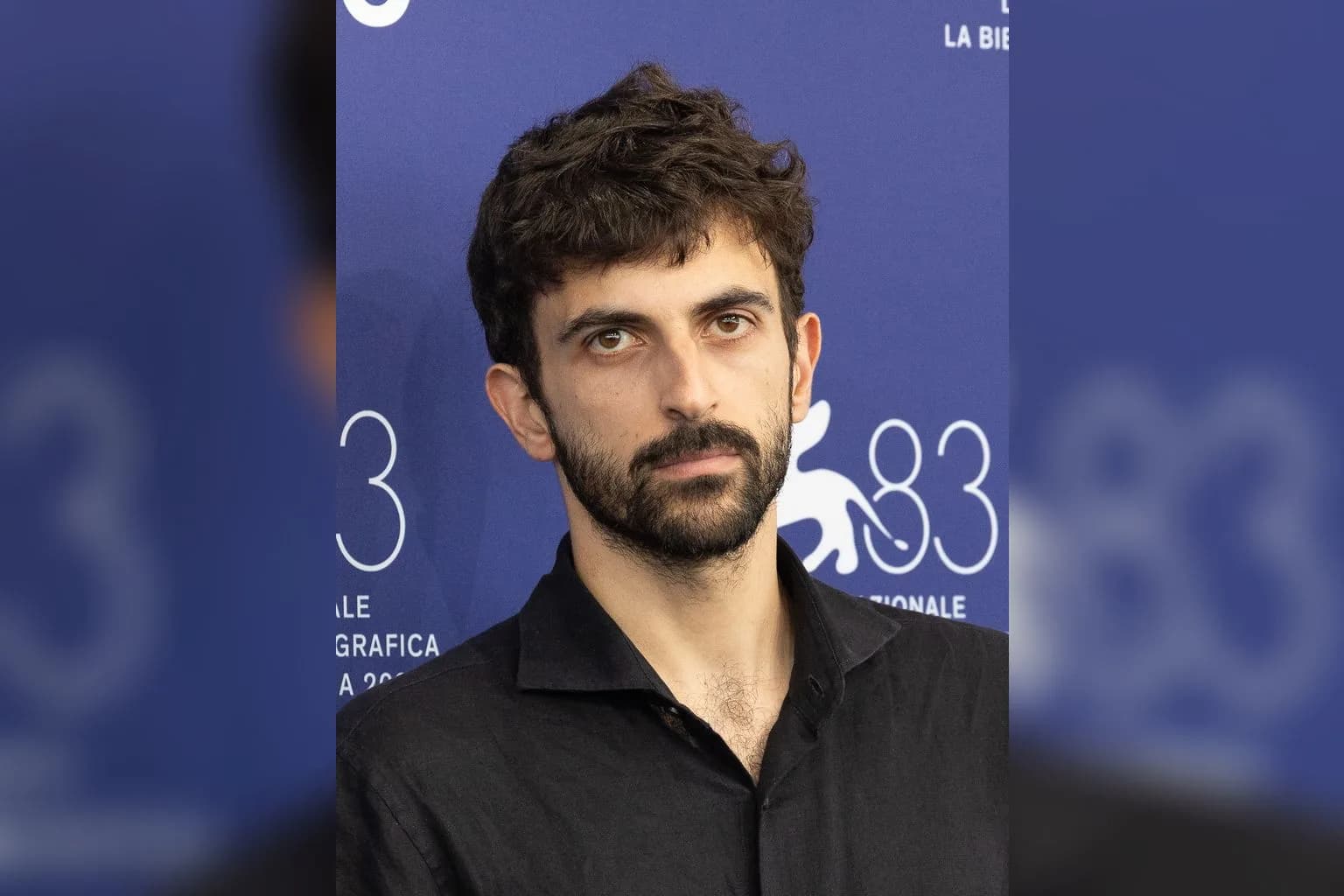
Thelyson Orelien’s debut novel, "C'etait ca ou mourir" ("It Was Either That or Die"), was published in Canada in the spring. The Haitian-Canadian author’s book, about global migration, went on to sell translation rights in more than 20 languages.
After publication in France, the novel was long-listed for the prestigious Prix Goncourt. Then allegations emerged that it had been written almost entirely with artificial intelligence.
Orelien denied that his book was AI-generated. His Prix Goncourt nomination was subsequently withdrawn.
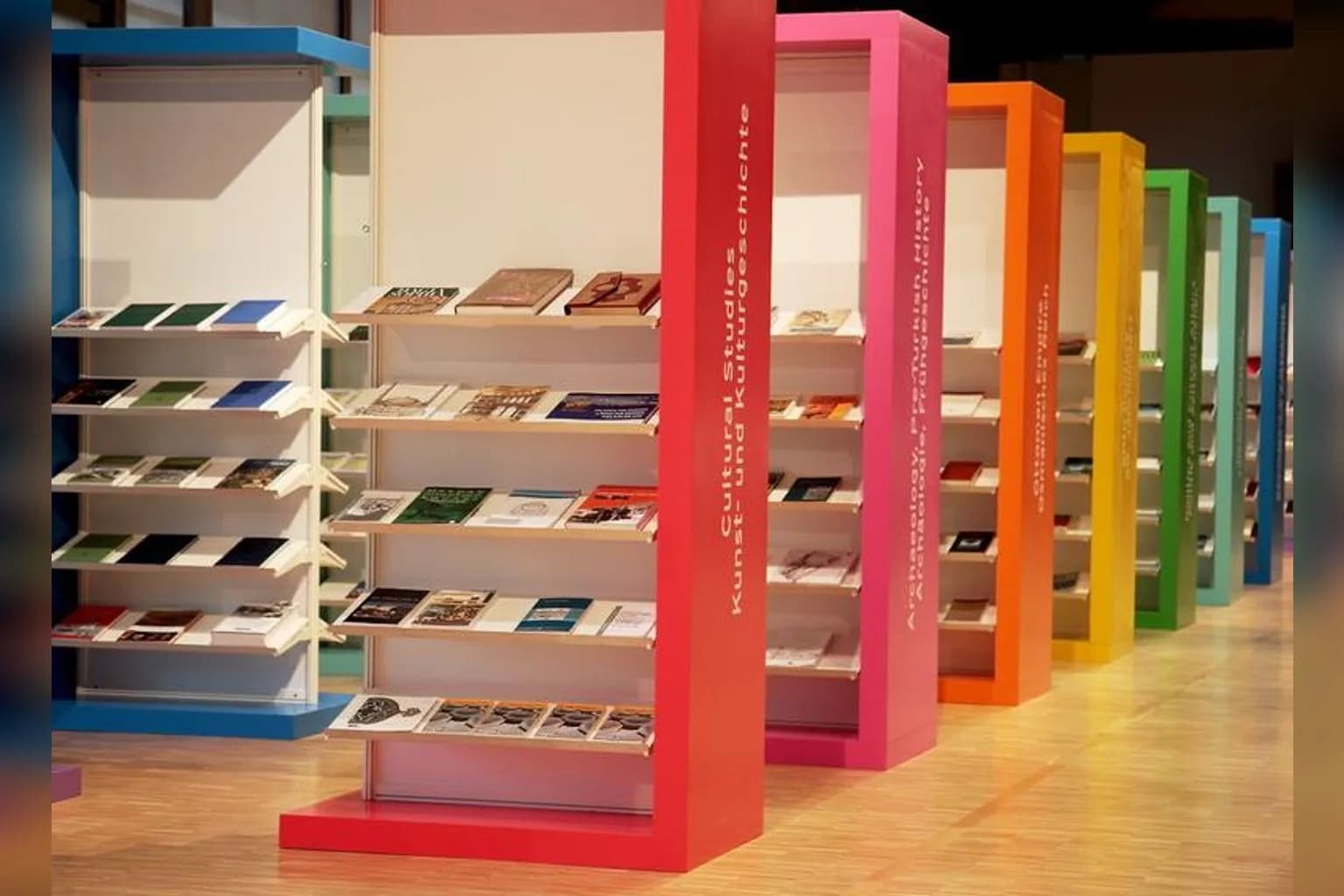
That dispute has arrived at the 78th Frankfurt Book Fair, which opened in Frankfurt am Main, Germany, on 6 October 2026. Artificial intelligence has become a central subject at the fair, where publishers, writers and literary institutions are confronting a question that reaches beyond one contested novel: can anyone reliably tell when a text has been made with AI assistance, and can that be proved?
On 6 October, the German Publishers and Booksellers Association and approximately 120 major publishers issued the Frankfurt Appeal, urging legislative measures to regulate AI.
The publishers and the association accused major technology companies of unlawfully using copyrighted works, without publishers’ or authors’ consent, to train AI models. They said the profits generated after that training flow exclusively to AI companies, while publishers, authors, illustrators and translators have supplied the material on which those systems rely.
Reader opinion points to a distinction between AI as a practical aid and AI as an author. A survey by the digital association Bitkom found that 79 percent of participants backed AI use in book translation, while only 29 percent said they would read a book written entirely by AI.
About 34 percent considered it unproblematic for authors to use AI for inspiration or writing support. Yet 65 percent feared that AI could replace human authors, and 58 percent said they would be unable to recognise whether a book had been written by a person or by AI.
Sebastian Klöß, a Bitkom expert, said readers accept AI as an additional tool rather than a replacement for human creativity.
For Hannes Bajohr, a professor of German literature at the University of California, Berkeley, uncertainty may become a lasting condition of literary life. “We will have to learn to live with doubt,” he said.
Jill Lepore, the Harvard University history professor and Pulitzer Prize winner who delivered the fair’s keynote speech on 6 October, placed the argument in broader terms. “The totality of human knowledge contained in the world's books has been entirely swallowed into machines owned by large corporations,” she said.
She added: “Constitutional democracy depends on books and reading. No democracy can thrive without literate voters. This is a precious legacy but also a very fragile one.”
The dispute around Orelien has no stated resolution. At Frankfurt, the contest is over the terms on which authorship, copyright and literary judgment will operate when readers themselves may struggle to identify the source of the words before them.



Comments (0)