
The 83rd Venice International Film Festival runs from 2 September 2026 through 12 September 2026 on the Lido, with a programme that gives prominent space to films about war, political repression and powerful figures in business and media. The 11-day festival has also faced a formal complaint from Ukrainian authorities over a film in its official competition.
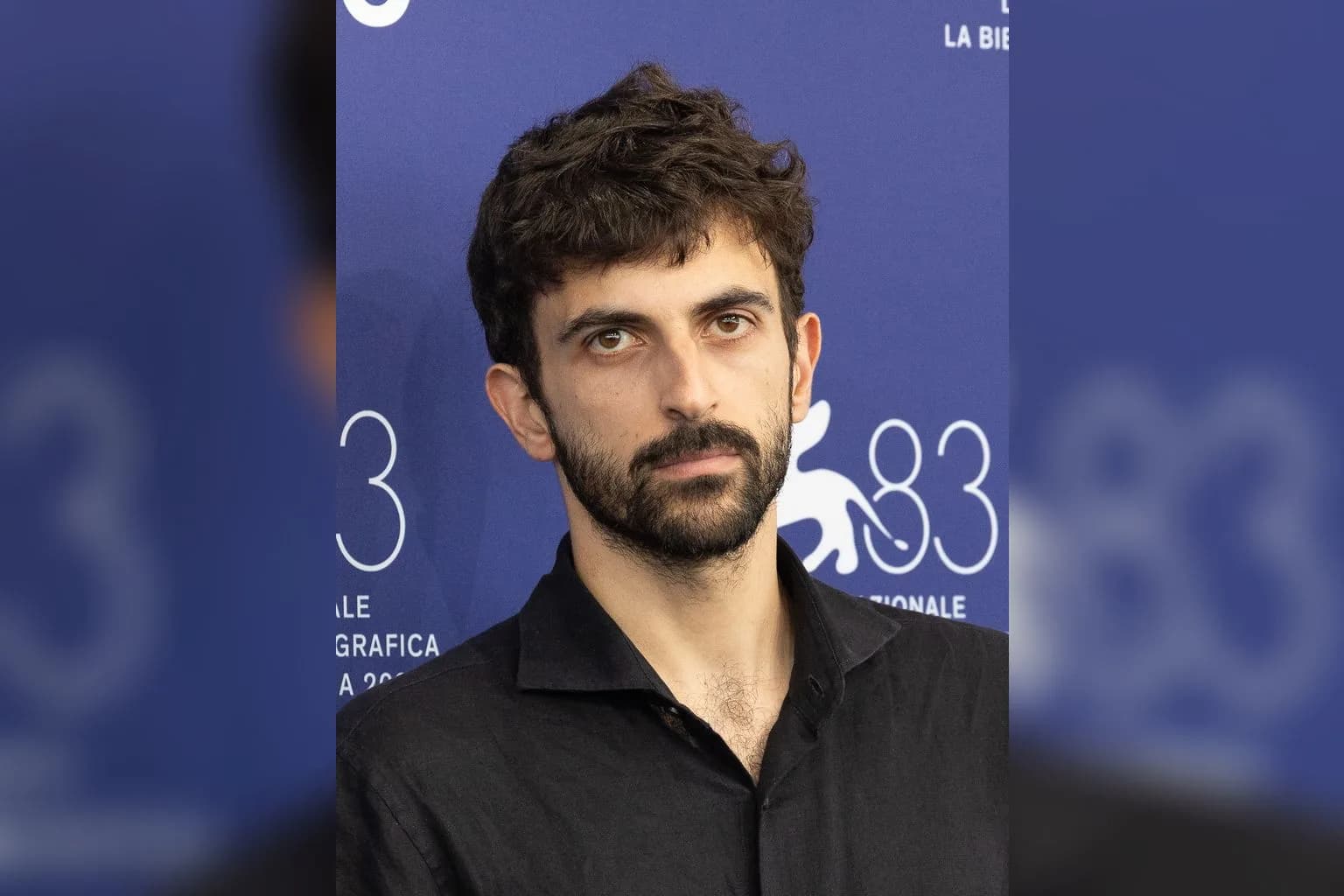
Gaza features strongly in the selection. The main competition includes one documentary, “Naza”, by the Israeli filmmakers Yuval Abraham and Rachel Szor. It examines Israeli forces’ killing of civilians in Gaza. Abraham and Szor won an Oscar for their 2024 film “No Other Land”, which documented Israel’s displacement of a Palestinian community in the West Bank.
Kaouther Ben Hania’s “The Voice of Hind Rajab” recreates the killing of a 5-year-old Palestinian girl and her family in Gaza City by Israeli forces. The film received a 22-minute standing ovation at last year’s Venice Film Festival, described as a Lido record. Other documentaries screening in Venice include “Citizen Osama”, about a photojournalist in Gaza, and “Road to Jericho”, in which Israeli director Amos Gitai covers the Israeli-occupied West Bank.
Alberto Barbera, the festival’s artistic director, has made the festival’s position explicit. “There are no fewer than four films that deal with the Palestinian issue and the current situation in Iran, so there can be no doubt about where we stand on this matter,” he said.
The programme also turns to media power and authoritarian rule. Danny Boyle’s “Ink” is a drama about Rupert Murdoch’s 1969 takeover of Britain’s The Sun tabloid. Julia Loktev’s “My Undesirable Friends Part II - Exile” chronicles Russian President Vladimir Putin’s crackdown on independent journalism. It is a sequel to Loktev’s 2024 documentary.
Andrei Kutsila’s “Letters From the Silenced Country”, a DW, ZDF/Arte and TVP co-production, examines repression in Belarus and will have its world premiere in Venice. Alex Gibney’s four-hour documentary “Musk” focuses on Elon Musk. Musk has denounced the film as a “hit piece” sight unseen.
Laura Poitras, who directed the Oscar-winning “Citizenfour”, co-directed “They’re Here” with Rachel Lauren Mueller. The documentary uses previously undisclosed footage of ICE’s deportation surge in Minneapolis last January.
The festival’s decision to include Ilya Khrzhanovsky’s “DAU” in official competition has prompted objections from Ukraine’s Foreign Ministry, Culture Ministry and its embassy in Italy. “DAU” is an art house drama about life under Soviet rule in Ukraine and a multi-year project about Soviet physicists.
The Ukrainian ministries said programming the film “sends a deeply worrying signal” given the war. Ukraine’s government said “DAU” was “linked to the Russian state and its influence networks”. Their complaint also cited the film’s lead, Teodor Currentzis, a Greek-Russian conductor who still lives and works in Russia and has never publicly condemned Russia’s war on Ukraine.
Khrzhanovsky renounced his Russian citizenship in protest against the war with Ukraine. He responded on Facebook: “DAU is not an instrument of Russian state cultural policy. It is an artistic statement about the nature of totalitarian evil”.



Comments (0)