
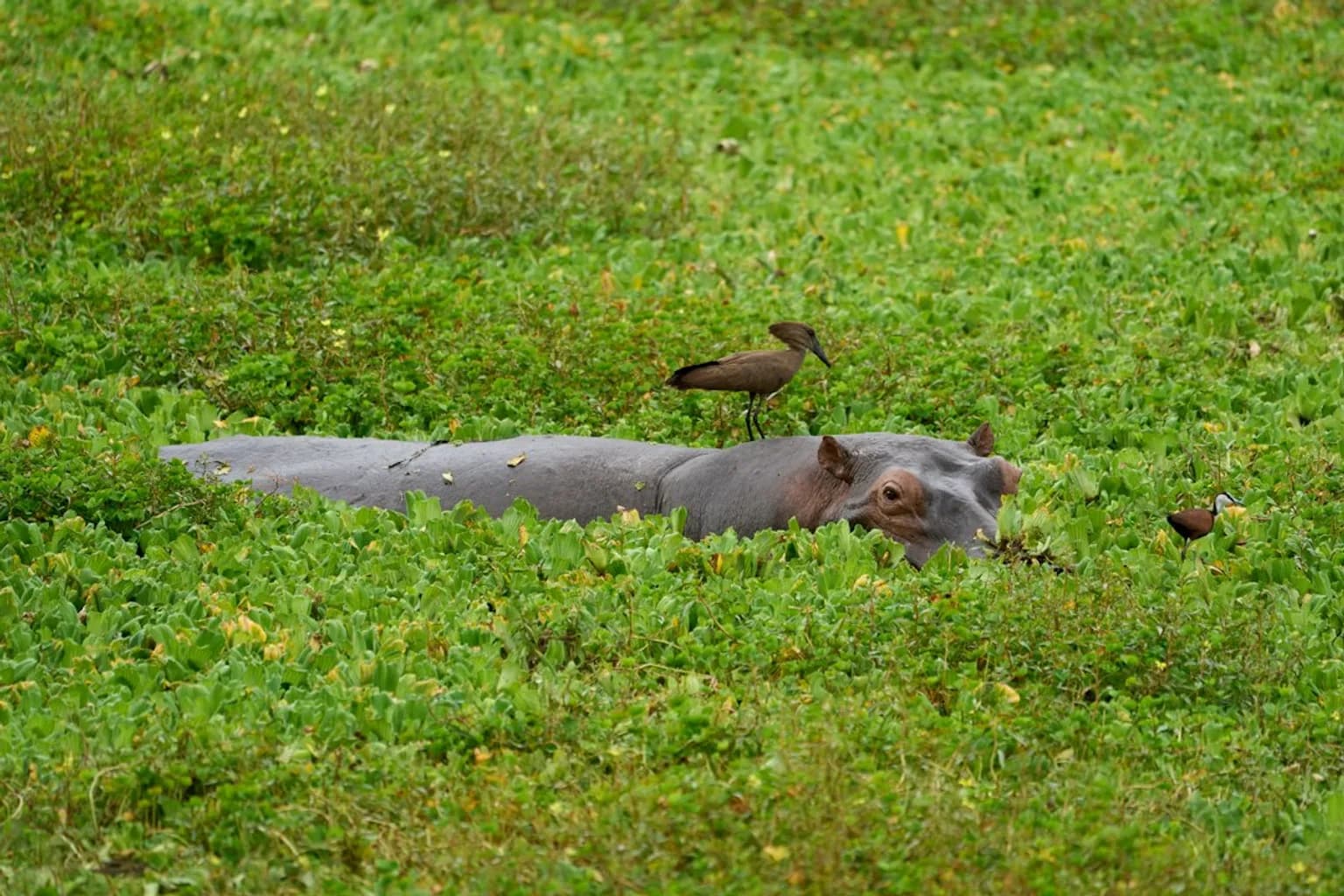
Zambian authorities have warned people against eating meat from wildlife carcasses after an anthrax outbreak in the Munyamadzi Game Management Area in Muchinga province killed animals and infected 12 people.
Since July, 46 hippos, eight elephants, five buffaloes and one crocodile have died in the protected area. The 12 infected people had consumed wildlife that died in the Munyamadzi River area, according to authorities. They are receiving treatment, and no human deaths have been reported in the latest outbreak.
Norman Chipakupaku, the national coordinator of Zambia's Disaster Management and Mitigation Unit, urged residents to report unexplained animal deaths immediately. Authorities also told people to avoid touching carcasses or eating meat from animals that died naturally or from unknown causes.
Officials have called for hunting to be suspended in the affected area until they establish the extent of the disease. The government has deployed a multisectoral response team and is strengthening wildlife patrols and checkpoints to secure carcass sites.
Anthrax is caused by the bacterium Bacillus anthracis. It can survive in soil as spores for years before entering an animal through inhalation, or through a cut or wound. The disease mainly affects grazing animals and can cause sudden death.
The full geographical extent of the current outbreak has yet to be established. Surveillance and laboratory investigations are continuing.
Anthrax is endemic in Zambia, affecting wildlife and people, although human deaths are uncommon. The present cases underline the risk posed when meat from infected animal carcasses is consumed.
In 2023, Zambia experienced an outbreak described as “unprecedented” that killed four people and spread to nine out of 10 provinces. A large-scale outbreak in 2011 involved more than 500 cases. Five people died after consuming meat from infected hippos during that outbreak.





Comments (0)