
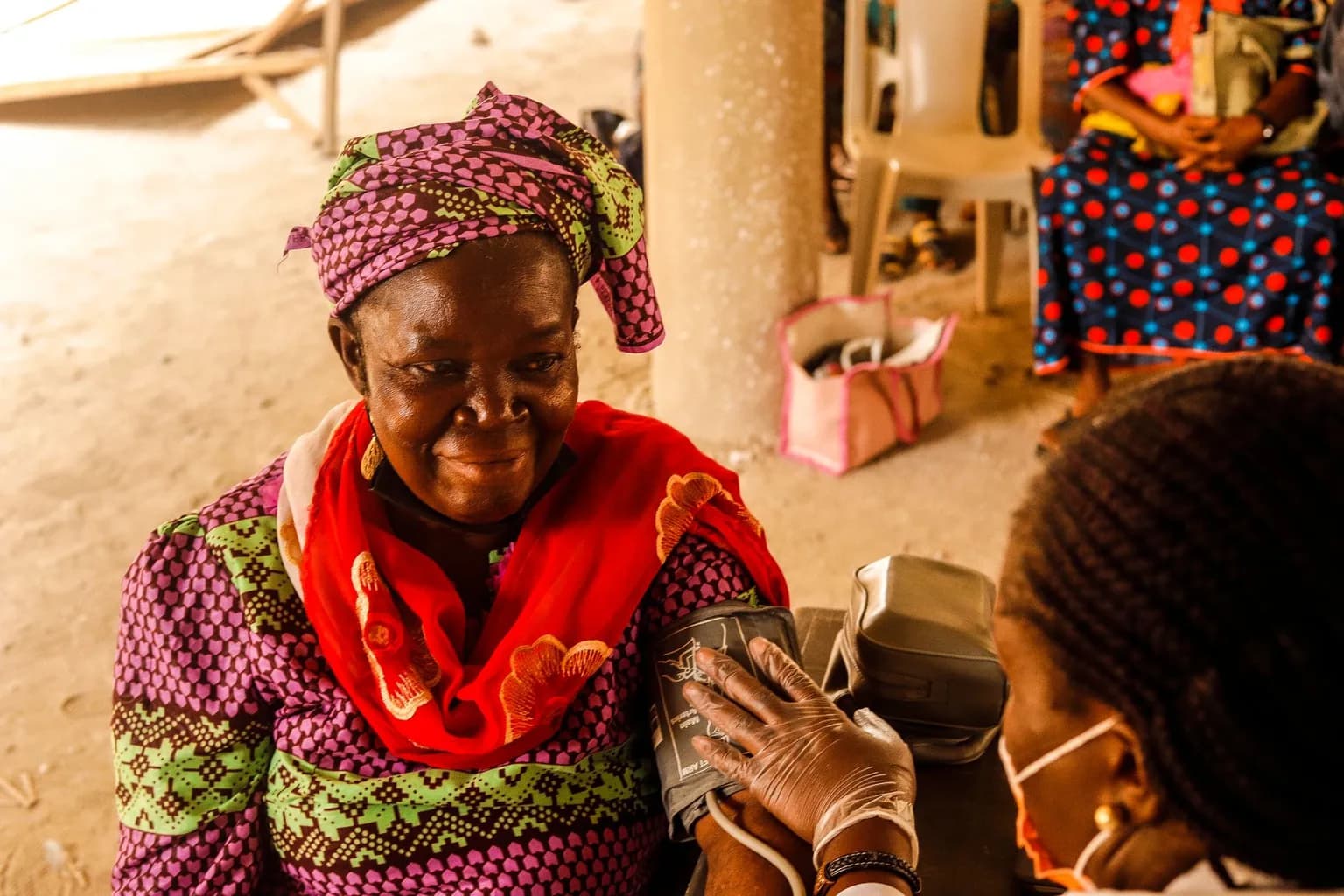
Health workers have reported 14 cases of kala-azar, also known as visceral leishmaniasis, among children in Kutum locality in Sudan’s North Darfur State, prompting warnings that delayed action could allow the disease to spread beyond the recorded cases.
The cases were identified across three health centres. The Farouk Health Centre reported six cases, the Abdel Shakour Health Centre reported five, and the Jabal Oudi Health Centre reported three. No cases have been reported among older people.
Kala-azar is transmitted by sandflies. It can cause a prolonged fever, enlargement of the spleen and liver, severe anemia and immunodeficiency. The illness can be fatal without early diagnosis and treatment, and delays can lead to severe complications that may prove fatal.
The outbreak has emerged in an area where the health system has collapsed due to war. Only one doctor is serving the Kutum area, while some health centres are located around five hours away. Medicines are largely unavailable, and the area lacks specialised diagnostic centres.
Most health centres are being run through community-led initiatives in extremely difficult conditions, with little institutional support and shortages of medicines. These gaps make it harder to identify cases promptly and begin treatment before patients become seriously ill.
Children who have been displaced, along with residents of remote villages, face the greatest risk because malnutrition and weak immunity can leave them more vulnerable to illness. The reported cases have so far affected children alone, though the reason for that pattern is unknown.
Conditions in Kutum also favour the spread of sandflies. Health workers have pointed to accumulated waste, scarce clean water, a lack of spraying services and a dense proliferation of disease vectors. The emergency response has warned that suspected cases could become an epidemic that would be difficult to control if action is delayed.
The emergency room called for immediate intervention by health authorities, the World Health Organization and relief organisations. It requested epidemiological surveillance, rapid diagnostic equipment and supplies of liposomal amphotericin B, a medicine used to treat kala-azar.
It also urged urgent campaigns to control sandflies, including spraying pools and swamps. Community awareness campaigns on prevention and the use of insecticide-treated nets were included in the requested response.
Al-Gadharef, North Darfur and Sennar are among the states severely affected by kala-azar. Essential medicines for kala-azar control have already arrived in Sudan, and dedicated funding for kala-azar control is available. The immediate capacity and timetable for deploying those resources to Kutum are unknown.
Sudan has been engulfed in war since April 2023. U.N. and international estimates say the conflict has killed tens of thousands of people and displaced around 13 million. The destruction of health infrastructure has left areas including Kutum with limited medical capacity as the outbreak takes hold.


Comments (0)