
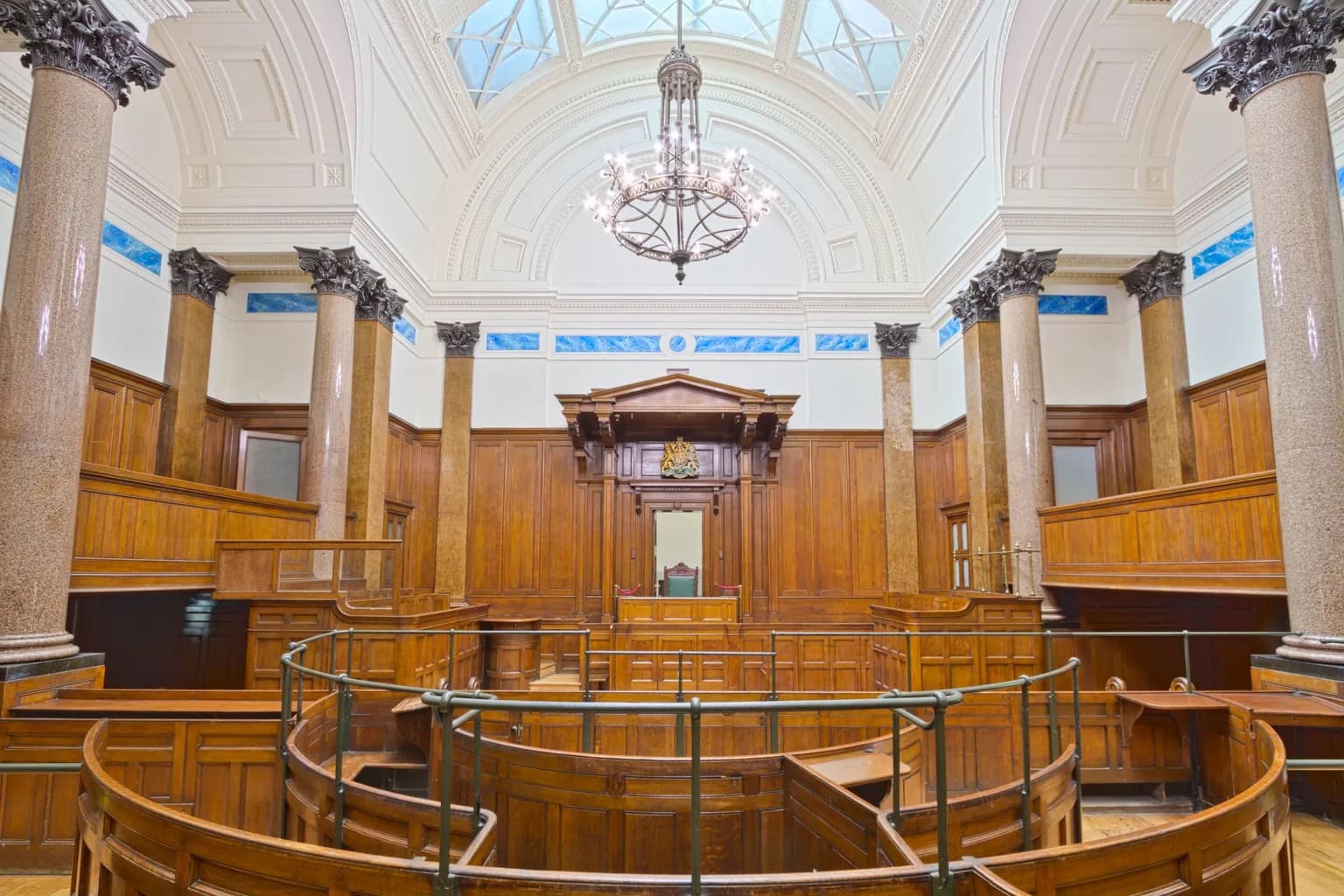
Specialist courts for rape and serious sexual offences are to be introduced across England and Wales, with every Crown Court expected to dedicate at least one courtroom to such cases over the next two years.
The Prime Minister, Andy Burnham, announced the measures as part of a plan intended to reduce delays, improve victims’ experience of the justice system and encourage more survivors to report offences. The Ministry of Justice expects the changes to cost an estimated £23 million.
Rape and serious sexual offence cases will be prioritised. For the first time, trials will be assigned a fixed date rather than placed on floating lists, where cases can be moved with little notice and postponed for many months. Fixed trial dates will begin from October.
The government says the change is intended to address delays that can deny justice and add to the trauma experienced by victims of rape. The brief does not set out whether fixed dates will apply across every category of case or how the policy will operate where court schedules change.
The dedicated courtrooms will provide private entrances and waiting rooms for victims, intended to keep them separate from defendants. Victims can already ask for such arrangements, though provision currently varies between courts.
Courts will also have facilities allowing victims to pre-record evidence and to observe sentencing remotely. Each survivor will be assigned a single point of contact. The government has not provided details on how those roles will be staffed or resourced.
Court staff handling rape and sexual offence cases will receive specialist ‘trauma-informed training’. The announcement does not specify the timetable for that training or how courts will manage its delivery at scale.
The courtroom changes are accompanied by an accelerated plan for policing. All police forces in England and Wales are to have specialist rape and sexual offence teams in place by December 2027. That deadline has been brought forward by 18 months from the original target of summer 2029.
Specialist teams were first announced in the government’s Violence Against Women and Girls Strategy last December. Together with the court reforms, the plans involve police investigations and criminal proceedings, two stages that can shape whether survivors choose to report offences and continue with a case.
Ciara Bergman, the chief executive of Rape Crisis England & Wales, welcomed the measures focused on court process and victim participation. She said: ‘We're particularly pleased to see measures that will improve trial efficiency and ensure survivors are better able to participate in, and observe, proceedings.’
The Conservatives have said action on trial delays is overdue. They have separately called on Labour to abandon plans limiting jury trials.
The reforms guarantee a set of protections that have until now depended in part on the facilities available at individual courts. Their effect on reporting rates, however, remains unknown. The government has also yet to set out how the £23 million budget will be divided between regions, or a more detailed implementation schedule beyond the next two years.





Comments (0)