

When the Marshall Fire reached the area outside Boulder, Maddison Schink received a call from her grandmother asking what she wanted saved from their house. Schink’s home was spared.
The fire on 30 December 2021 burned more than 1,100 homes and a hotel in Colorado, killing two people and multiple pets. It was Colorado’s most destructive fire in history.
Its aftermath now forms part of Boulder’s case against ExxonMobil and Suncor. The city sued the companies in 2018, alleging they had known for decades about dangers associated with burning fossil fuels while misleading the public about those risks.
New court filings have added material to that dispute. Previously undisclosed documents filed in the Massachusetts attorney general’s case in October 2026 describe ExxonMobil’s internal deliberations from the 1980s to the 2010s. They show company scientists challenging the prospects for climate solutions that Exxon publicly promoted, especially algae biofuels and carbon capture.
The documents may bear on a narrow but important legal question. Plaintiffs must still prove the alleged public deception and any resulting harm. Internal scientific disagreement, by itself, does not establish that executives knowingly approved misleading statements. Exxon denies misleading the public about climate change, disputes the validity of the lawsuits and says the issues belong with policymakers rather than the courts.
Exxon’s researchers had been studying the underlying risk for decades. By the late 1950s, scientists working with or for the fossil fuel industry were examining the effects of carbon dioxide released by burning fossil fuels. Exxon’s internal research division carried out atmospheric and ocean carbon dioxide experiments and modelled future warming in 1977 and 1978.
In 1977, Exxon scientist James Black warned senior management that carbon dioxide from fossil fuels could cause significant global warming. A 1978 internal document estimated that a doubling of atmospheric CO₂ could raise average global temperatures by 2–3°C. It also warned that choices over energy strategy could become critical within five to ten years.
In June 1988, NASA climatologist James Hansen told Congress that the climate was warming and would continue to warm while people pumped fossil-fuel pollution into the atmosphere. The United Nations formed the Intergovernmental Panel on Climate Change shortly afterwards.
Weeks before that UN decision, Frank Sprow, an Exxon corporate research official, circulated an internal memo warning that a consensus on cutting greenhouse gases could harm Exxon. Exxon’s corporate research department was circulating such warnings as international agreement on climate action began to take shape.
By 2021, Exxon was running campaigns aimed at political and financial leaders that presented the company as a climate helper. The later filings, however, say company scientists questioned whether the solutions featured in that public position could work at the scale claimed.
One scientist described a target of 10,000-barrel-per-day of algae biofuel by 2025 as “impossible” and said a 2018 press release about it was misleading. A 2014 presentation had set out the difficulties of scaling up carbon-capture technology. Exxon subsequently abandoned algae biofuels while continuing to promote carbon capture.
The Massachusetts attorney general alleges that Exxon misled consumers and investors in the state, placing greater weight on public relations than on cutting climate impacts. Boulder is seeking compensation for costs tied to wildfires, drought, flooding, extreme heat and other climate impacts.
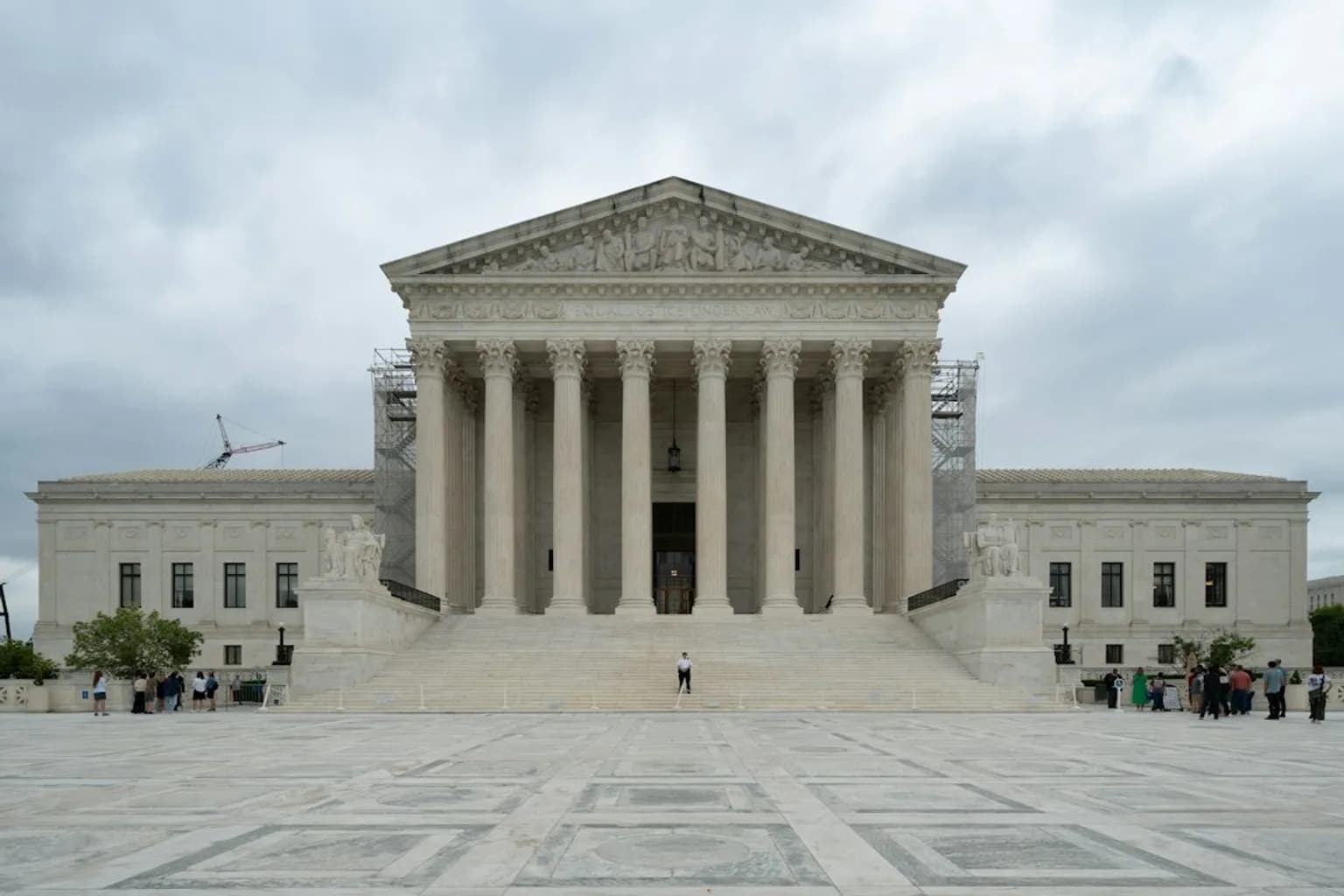
On 5 October 2026, the US Supreme Court heard oral arguments in Suncor Energy Inc. v. County Commissioners of Boulder County. Justices across the ideological spectrum questioned the companies’ arguments that the case should be ended before evidence of the alleged deception was heard.
The outcome could affect nearly 60 similar lawsuits brought by states, counties, cities and Indigenous tribes seeking to make fossil fuel companies financially accountable for climate-related harms. The court has yet to rule, and the filings do not resolve how Exxon’s senior management responded to its scientists’ warnings or whether company executives knowingly approved misleading public claims.



Comments (0)