
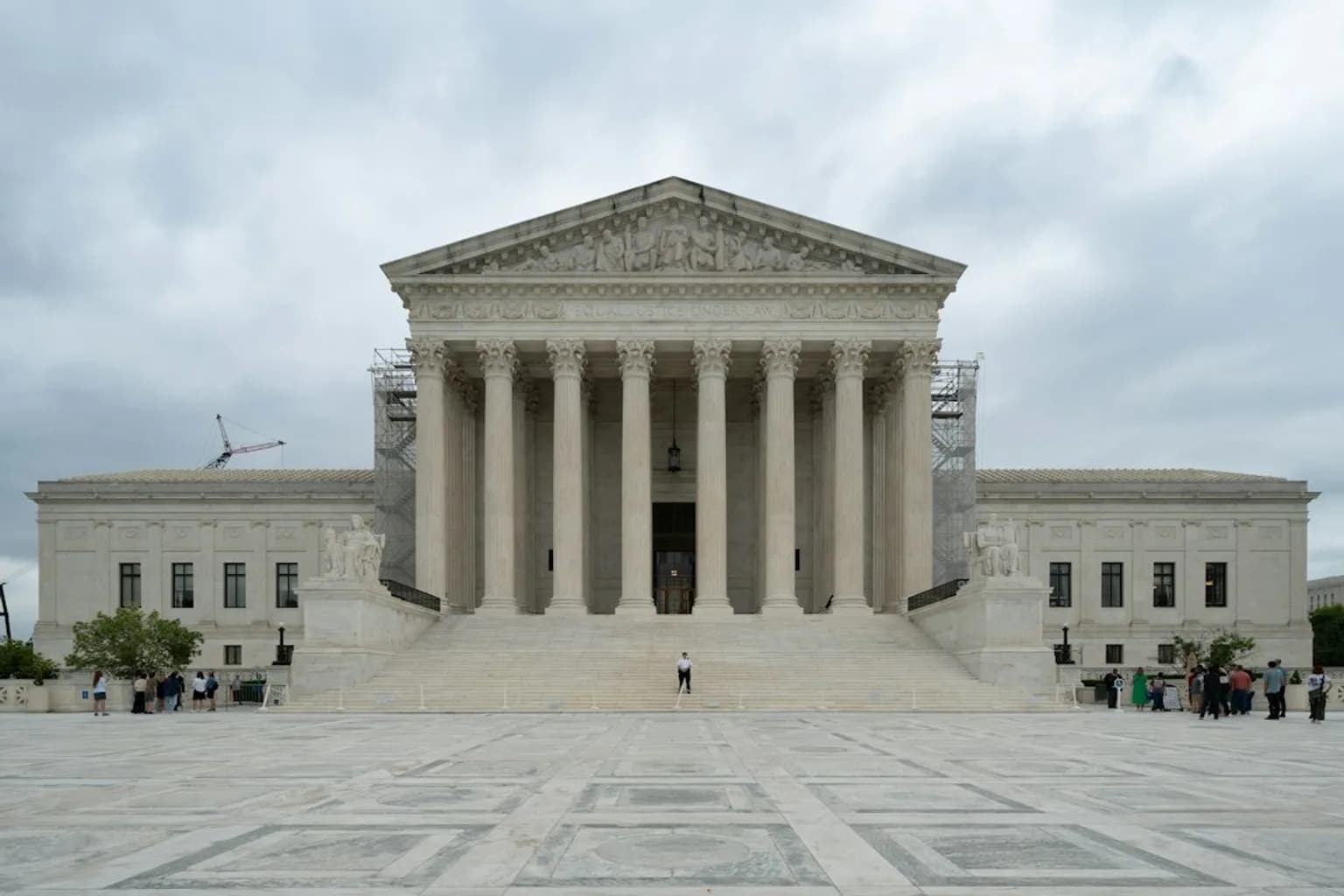
Environmental activists gathered in front of the US Supreme Court on Monday as the justices considered whether Boulder, Colorado, can pursue climate-related damages from two fossil fuel producers. The case, Suncor v. Boulder, places a state-law lawsuit against Suncor and Exxon before a court asked to decide how far such claims may go.
Boulder is seeking compensatory damages from Suncor and Exxon for alleged violations of state law. Its claims concern harm to the city and its residents, including allegations that the companies knowingly helped alter the climate by “producing, promoting, refining, marketing and selling fossil fuels” in volumes that contributed to climate change.
The city also alleges that Suncor Energy and Exxon Mobil intentionally misled the public about climate change, its effects and their own role in causing it. Those allegations remain allegations. The Supreme Court has yet to decide whether Boulder can hold the companies liable.
The dispute comes after the climate change-fuelled Marshall Fire destroyed over 1,000 homes in Boulder in 2021 and caused more than $2 billion in damage.
The legal question is whether these claims belong in state court. Suncor and Exxon argue that the Clean Air Act assigns the regulation of emissions to the federal government rather than the states.
The Trump administration supports the companies. It argues that the lawsuits amount to an unconstitutional effort to regulate planet-warming emissions and to apply Colorado state law beyond Colorado’s borders.
Boulder’s lawsuit is one of dozens brought by states and local governments against energy companies in state courts. The local governments are seeking money damages for climate-related harms, putting the court’s ruling at the centre of a wider fight over the reach of state-law liability claims.
Chief Justice John Roberts raised the prospect of a rapid expansion in claims if Boulder wins. “Presumably, if you prevail, the next day, a municipality in every single state will file a lawsuit. How do you think that will work out on the ground?” he said.
Justice Brett Kavanaugh said a ruling for Boulder could bankrupt oil companies and other possible defendants. “I mean, anyone is a potential defendant for a suit like this. Any manufacturer, any business,” he said.
The companies have said they could face “90,000” similar lawsuits if Boulder prevails.
Justice Ketanji Brown Jackson focused on the court’s timing, asking: “Why shouldn't we wait and hear all of these claims once the state courts are done?”
Justice Samuel Alito did not take part. He recused himself a week before the arguments after calls for him to step aside because he owns stock in oil companies.
Alito had previously recused himself from the case in 2023. When the court granted the companies’ petition earlier in 2026, he participated despite that earlier history. Through a court spokesperson, Alito said his previous recusal had been inadvertent.
According to the Guardian, Alito has made up to $2.9 million from fossil-fuel interests since joining the court.
The court’s eventual ruling will determine whether Boulder’s state-law claims can continue against Suncor and Exxon. It will also address the boundary between federal authority over emissions and the ability of states and local governments to seek damages under their own laws.



Comments (0)