
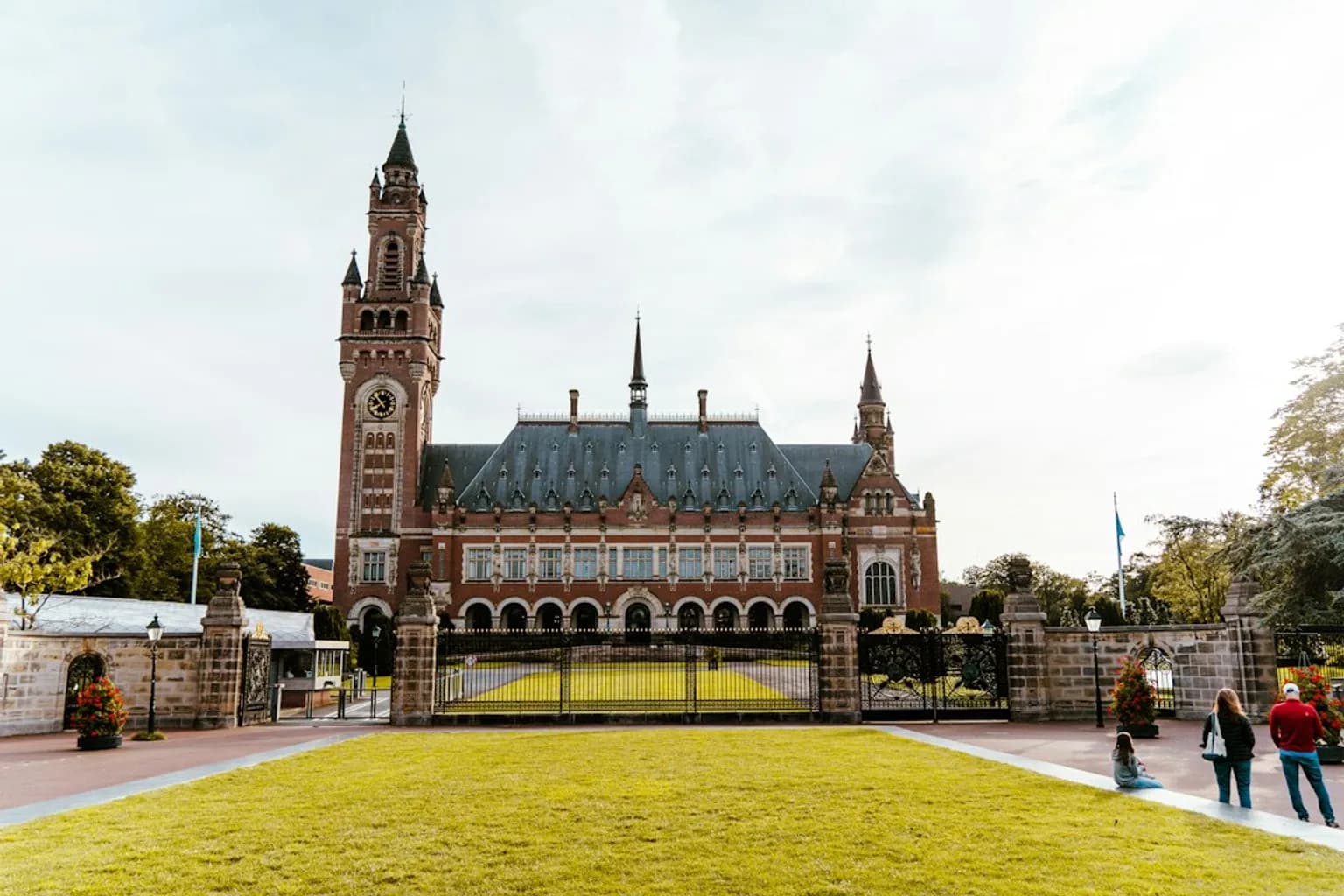
The International Criminal Court unsealed arrest warrants on 5 October 2026 for four Taliban officials, setting out allegations that their policies towards women, girls and people who did not conform with Taliban gender rules amount to crimes against humanity.
The suspects are the Taliban’s supreme leader, Hibatullah Akhundzada; Abdul Hakim Haqqani, head of Afghanistan’s Supreme Court; Education Minister Habibullah Agha; and Higher Education Minister Neda Mohammad Nadeem. The court found reasonable grounds to believe they were involved in ordering, encouraging or implementing policies directed at women and girls because of their gender.
Those policies have shaped daily life in Afghanistan since the Taliban took control on 15 August 2021 after international forces withdrew. Girls have been barred from school beyond the sixth grade, while women are prohibited from university education, leaving Afghanistan as the only country in the world with those restrictions.
Women have also been excluded from jobs and most public spaces, while facing restrictions on movement, expression and participation in social life. United Nations figures say half of Afghan women now leave home only once or twice a month.
Akhundzada issued decrees limiting women’s presence in public and their freedom of movement. They included a rule against windows in buildings looking into places where a woman might sit or stand.
The allegations cover conduct from 15 August 2021 until at least 20 January 2025. The court said the alleged persecution of women and girls was connected with alleged imprisonment, torture, rape, enforced disappearance and killings.
The court also said people perceived as “supporters of women and girls” or political opponents had faced repression and persecution. It found that people had also been persecuted and repressed because of their sexual orientation or gender identity.
Karim Khan, the court’s former chief prosecutor, said in January 2025 that he had sought warrants for Akhundzada and Haqqani. He said: “Afghan women and girls as well as the LGBTQI+ community are facing an unprecedented, unconscionable and ongoing persecution by the Taliban.”
The court authorised warrants for Akhundzada and Haqqani on 8 July 2025. It issued further warrants on 9 September 2025 for Agha and Nadeem, accusing them of denying women and girls over 12 their right to education; those warrants remained sealed until the court’s announcement on 5 October 2026.
Agha enforced the exclusion of girls over 12 from education, while Nadeem oversaw the exclusion of women from higher education. Both played key roles in carrying out the supreme leader’s vision for Afghanistan.
The court said there were reasonable grounds to believe the four men, acting for the Taliban, implemented a government policy that caused severe violations of the civilian population’s fundamental rights and freedoms. It characterised the alleged offences as persecution on gender grounds against women, girls and others who did not conform with Taliban gender policies.
The UN Human Rights Council’s 47 member countries unanimously criticised discrimination against women and girls in Afghanistan.
The warrants nevertheless leave the question of enforcement unresolved. All four men remain in Afghanistan, where the Taliban controls the country. The ICC has no police force and depends on its member states to execute warrants, while those states are obliged to arrest people for whom the court has issued warrants.
With the Taliban in control and the suspects still in Afghanistan, their arrest is considered remote under current circumstances.





Comments (0)