
Officials in Boulder, Colorado, are asking to hold Suncor and ExxonMobil responsible for their contributions to climate change, including costs that Boulder says arise from its effects.
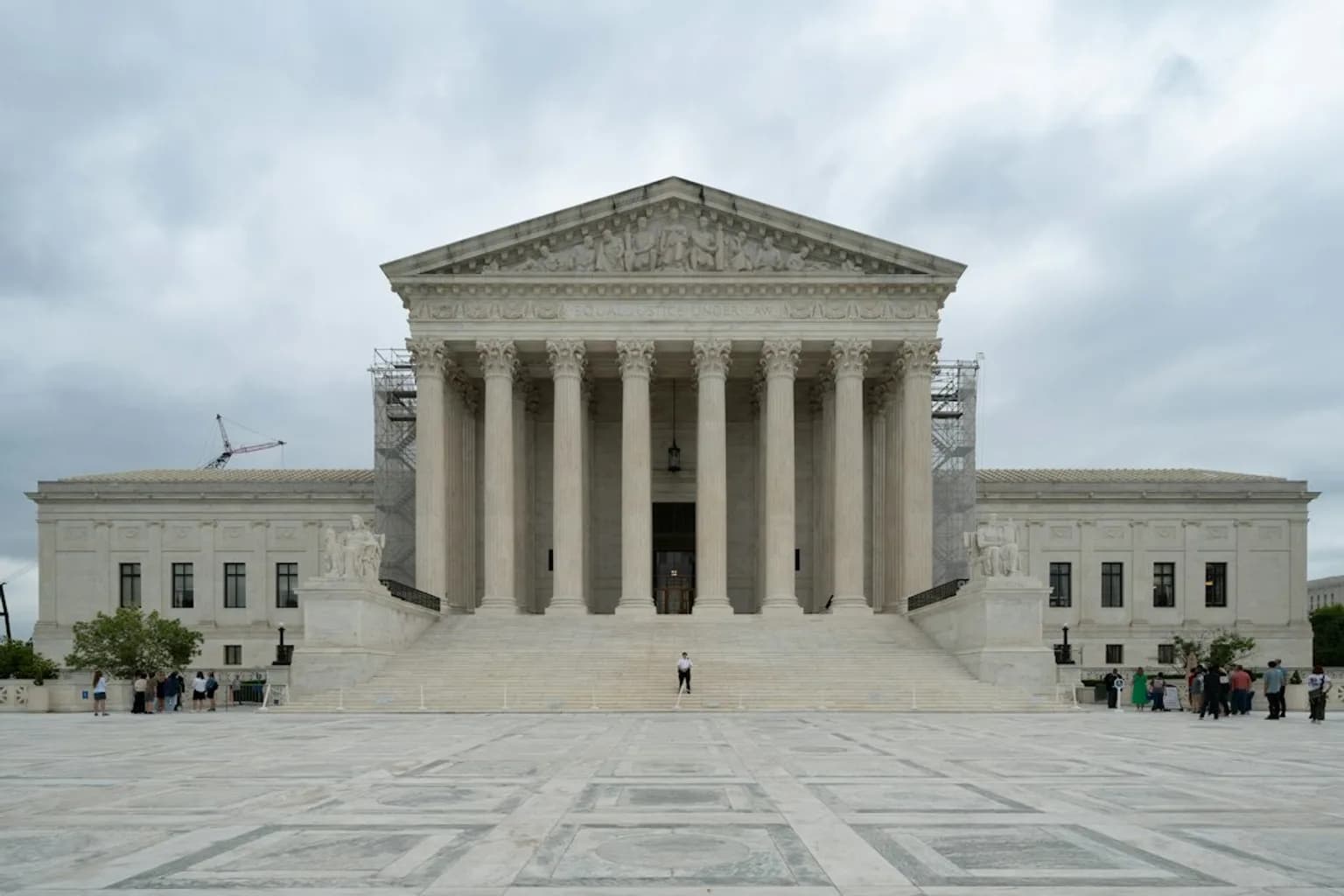
The Supreme Court heard arguments Monday on whether local governments may bring such claims against oil and gas companies in state court. Boulder’s city and county filed their case against the companies in 2018.
The case concerns the reach of state law and federal law. Suncor and Exxon argue that the Clean Air Act places authority to regulate emissions with the federal government rather than the states. The Trump administration supports that position, arguing that the lawsuits unconstitutionally seek to regulate planet-warming emissions and extend Colorado law beyond the state’s borders.
Boulder has accused the companies of helping to drive climate change and misleading the public about the risks of fossil fuels. It seeks to make them liable for past and future costs including infrastructure repairs, environmental damage, emergency management and public-health harms.
The Colorado Supreme Court allowed Boulder’s state-law case to go forward. That decision now sits against conflicting rulings from three state supreme courts and one federal circuit court of appeals on whether plaintiffs can use state tort law to sue fossil fuel companies over climate harms.
The 2021 Marshall Fire destroyed nearly 1,100 homes and killed two people. Damage from the fire was estimated at $2 billion, making it Colorado’s costliest wildfire.
Nearly 60 state and local governments have filed comparable cases seeking billions of dollars from fossil fuel companies. Governments from largely blue-leaning areas have brought similar claims around the country, with potential damages running into billions of dollars. A ruling for Suncor and Exxon could end dozens of cases filed in recent years.
Eight of the court’s nine justices took part in nearly two hours of arguments. Justice Samuel Alito stepped aside a week before the hearing after calls for his recusal over his ownership of oil-company stock. His 2025 financial disclosure listed individual holdings in ConocoPhillips and Phillips 66.
Alito’s absence creates the prospect of an evenly divided court. Such a result could leave the lawsuit against the oil companies in place.
Justice Ketanji Brown Jackson asked, 'Why shouldn't we wait and hear all of these claims once the state courts are done?'



Comments (0)