
Global markets entered late September 2026 with several forces moving at once: higher interest rates in Japan and the US, a rush by Chinese technology groups to finance artificial intelligence infrastructure, and trade pressure on India over Russian oil. The developments also coincided with investment activity from Nigeria’s oil sector to Indian healthcare and solar manufacturing.
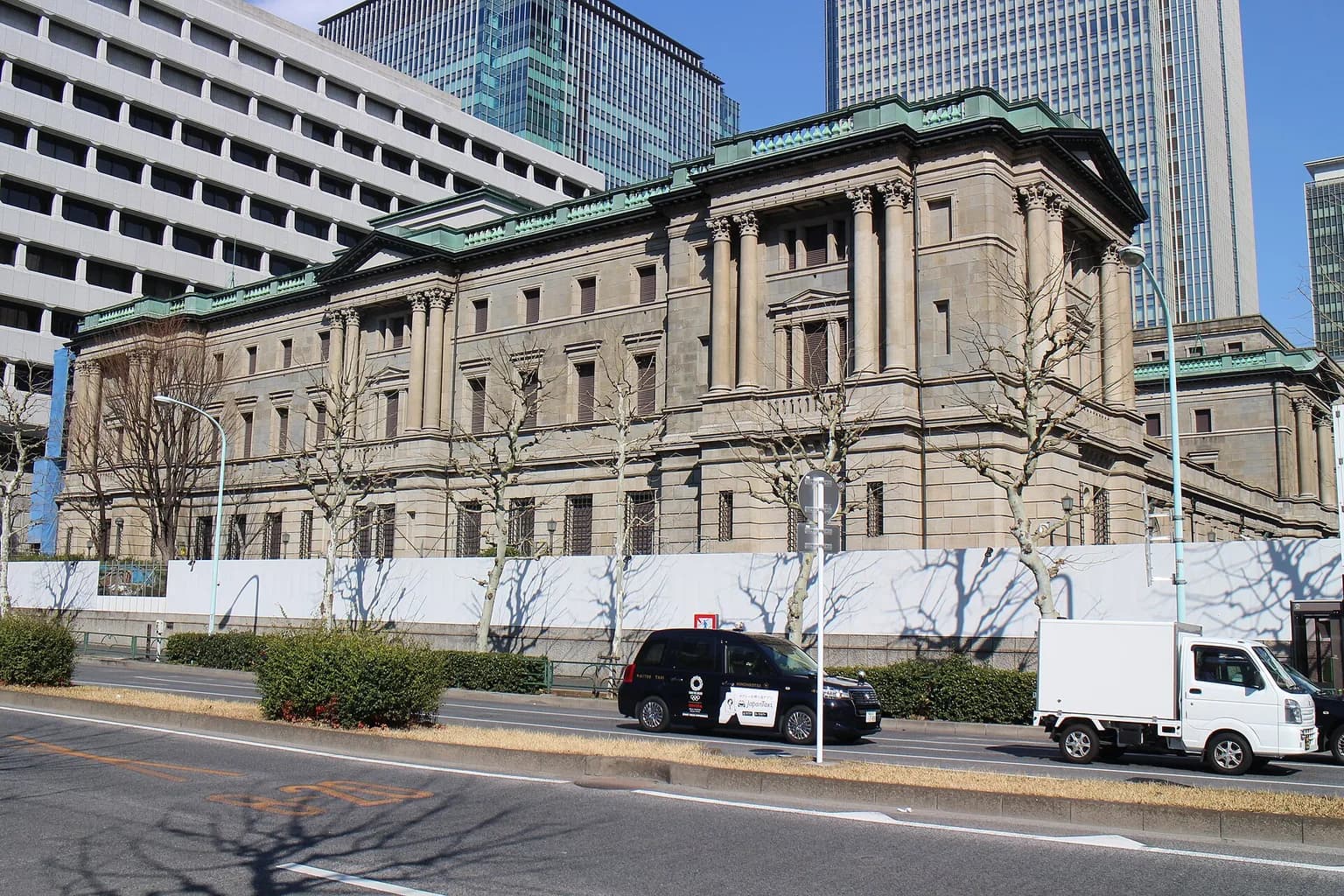
Japan raised its interest rate to a new 31-year high as it sought to contain rising prices. Wall Street surged after a US interest rate hike. Robert Schein of Blanke Schein Wealth Management said interest rates could go up again later this year, suggesting investors still face the prospect of higher borrowing costs.
Chinese technology companies have been raising money on a much larger scale for artificial intelligence, or AI, infrastructure. Alibaba raised HK$80 billion in a share placement. Tencent issued nearly 17 billion yuan and US$2.45 billion in bonds. ByteDance signed a US$29.6 billion syndicated loan.
The three mainland technology giants raised more than HK$100 billion between them, with the funds directed towards AI infrastructure. The different structures matter. Alibaba turned to shareholders, Tencent used bond markets, and ByteDance arranged bank financing. All three routes lead to the same expensive destination: the computing and infrastructure needed for AI.
OpenAI also set out further details of the risks associated with its models. The company revealed six more safety issues and announced a system to track, investigate and disclose incidents involving models behaving in ways it describes as “misalignment”. The available information does not establish the longer-term effect of the disclosure system on AI governance or investor confidence.
AI competition is also reaching consumer branding. Nvidia, OpenAI and Anthropic are each selling limited edition fashion lines, alongside their work in technology.
India faces a separate pressure point in trade. A US House vote has left the country facing a 100% tariff threat over Russian oil. Trump’s tariff threat puts India’s Russian oil strategy under pressure and creates a new constraint on its access to the US market. The information available does not put a figure on the potential effect on India’s overall energy balance or wider trade position.
Elsewhere in India, hospitals have attracted billions in funding. The period also included major strategic activity from Indian technology companies L&T, Infosys and Wipro, as well as a manufacturing expansion by Alpex Solar. Alpex Solar inaugurated its 2.2 GW G12R TOPCon Solar Cell Plant in Kosi-Kotwan.
In Nigeria, domestic investors took part in a share-buying frenzy involving an oil refinery owned by Aliko Dangote, Africa’s richest man. The available details do not give the pricing of the share purchases or show what they may indicate about the development of Nigeria’s capital market.
Chinese financial markets also recorded significant balance-sheet activity. CITIC Securities (6030.HK) received approval from the China Securities Regulatory Commission to issue up to RMB40 billion in perpetual subordinated bonds. Separately, 28 brokerages will distribute a total of RMB27.916 billion in interim payouts, up about 45% year on year.
Singapore holds luxury goods seized by police that are valued at $2 billion and are due to be auctioned from a fortified storage facility. The identity and source of the goods have not been provided in the available information.
In the automotive sector, BYD’s intelligent driving inventory reached 3.72 million vehicles. Huawei’s parallel system has limited support from original equipment manufacturers. These figures underline the uneven position of companies seeking to place intelligent driving systems across vehicle makers.
Taken together, the developments show capital being directed towards AI systems, energy assets, healthcare, solar manufacturing and financial-sector funding, while higher rates and trade threats add constraints. The scale of the eventual economic effects remains unclear, particularly for India’s oil trade, the pace of monetary tightening and the competitive outcome of the AI infrastructure spending.




Comments (0)