
Takahiro Yamaguchi has enlarged the rice operation he inherited from his father’s era, financing its growth with more than 100 million yen in borrowing. The spending includes rice-drying machines priced at about 3 million yen and robotic tractors costing 13 to 15 million yen. Over the past five to 10 years, his input costs have climbed by about 50% to 100%.
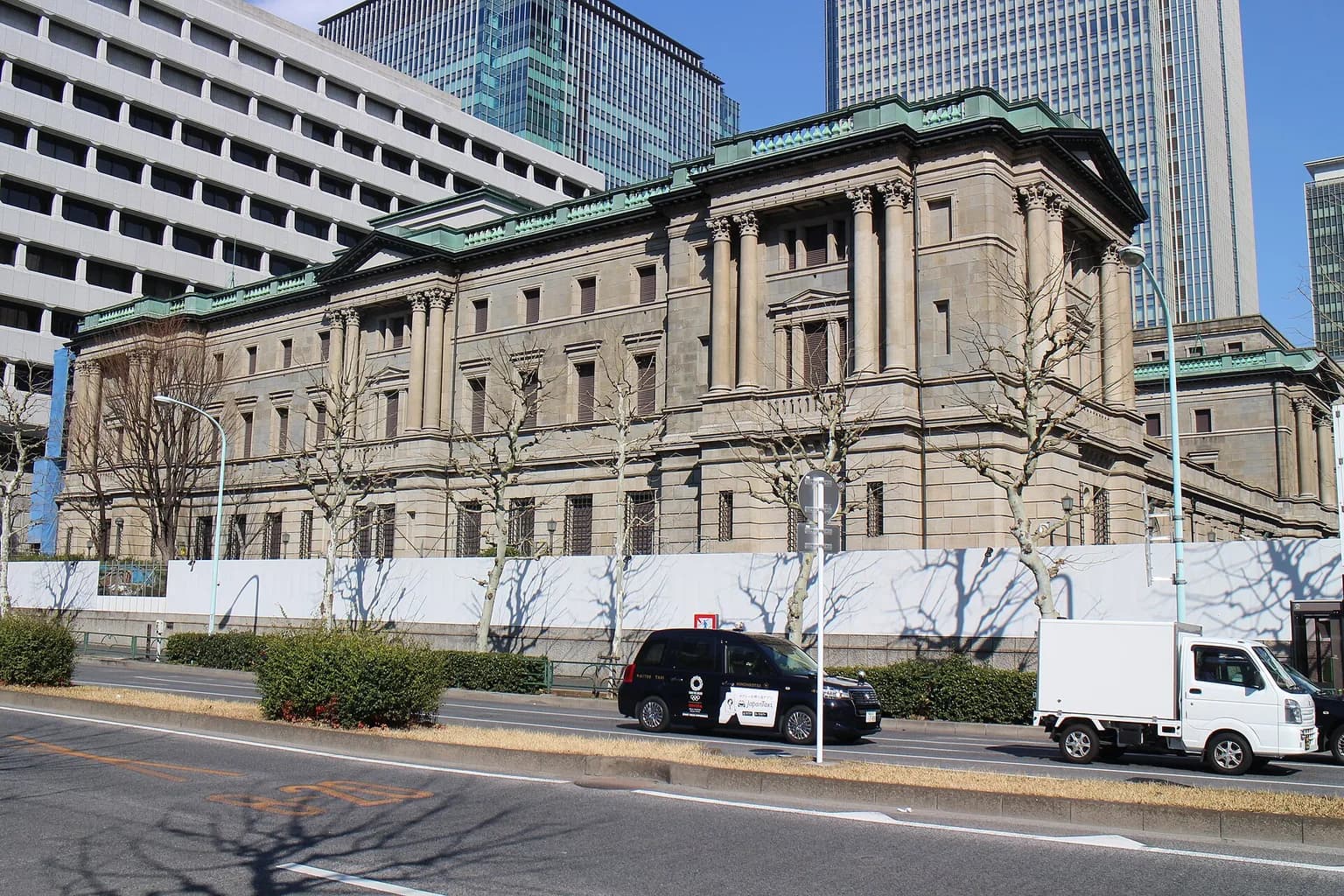
Borrowers such as Yamaguchi now face a further increase in financing costs after the Bank of Japan’s decision on 18 September 2026. After a two-day policy meeting in Tokyo, the central bank raised its benchmark interest rate from 1.0% to 1.25%, taking it to a 31-year high.
Figures published on Friday, 18 September showed that core inflation had eased to 1.7% in August, near the Bank of Japan’s 2% target. Wholesale prices told a different story, rising 6.8 percent year-over-year in September. The central bank has warned that inflation could rise above its target.
The Bank of Japan abandoned its eight-year negative interest rate policy in March 2024, its first rate increase in 17 years. It then lifted the benchmark rate in stages, to 0–0.1% in March 2024, 0.25% in July 2024, 0.5% in January 2025, 0.75% in December 2025 and 1.0% in June 2026.
The latest move broke that rhythm. It followed the June increase by only three months, the shortest interval between rises since the tightening cycle began in March 2024.
In its statement, the BOJ said it 'will continue to raise the policy interest rate and adjust the degree of monetary accommodation, in response to developments in economic activity and prices as well as financial conditions'.
Governor Kazuo Ueda, who studied at the Massachusetts Institute of Technology, said underlying inflation was approaching 2%. He also said the 'phase of policy has changed,' wording absent from the bank’s official statement.
Two of the nine Policy Board members voted against the increase. Both were appointed under Prime Minister Sanae Takaichi.
The yen fell after the decision. In Tokyo foreign exchange trading, the dollar-yen rate briefly reached the 157-yen range, its weakest level in about two weeks.
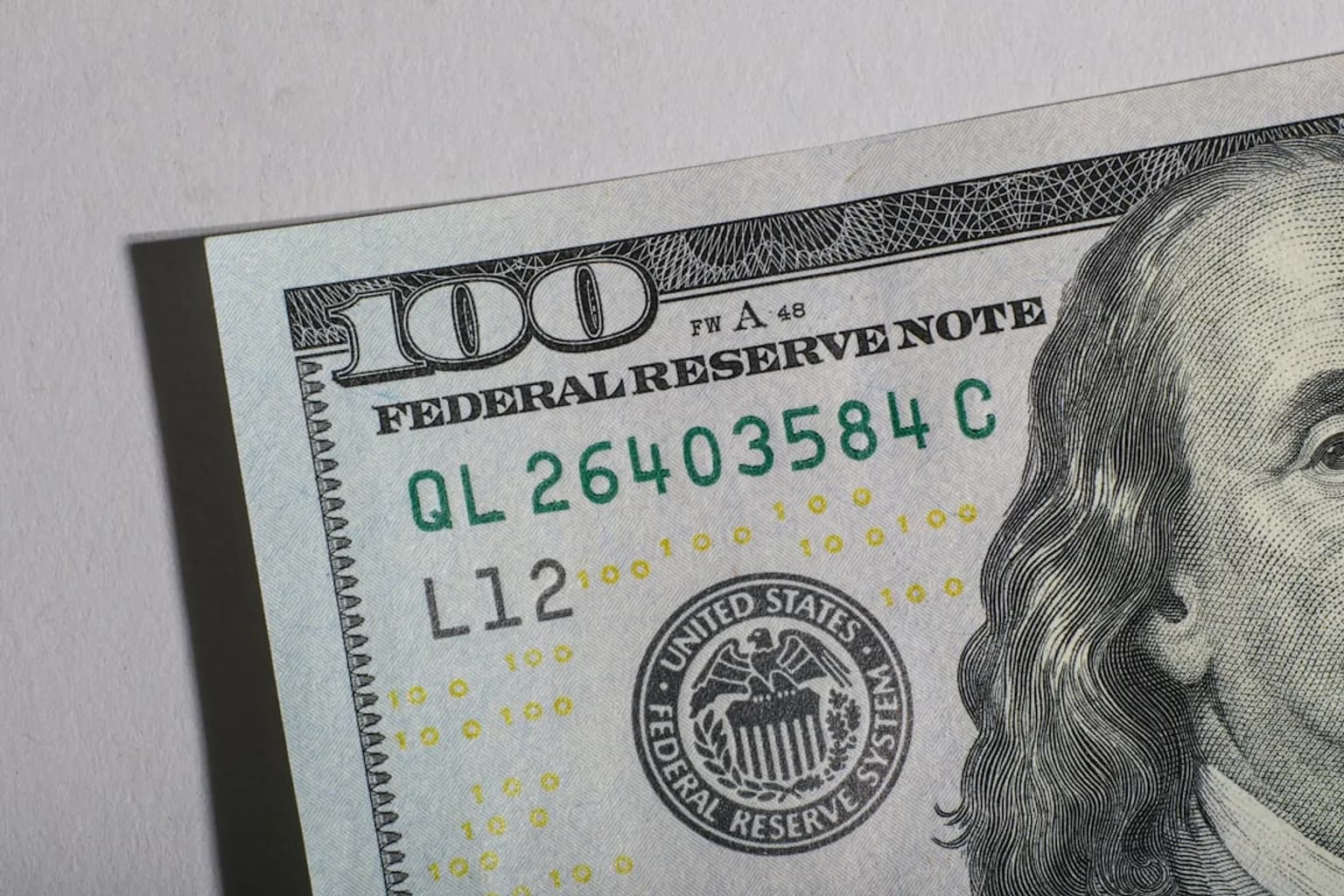
A weaker yen has made imported fuel and other goods more expensive. Oil prices have risen as markets assess whether a prolonged confrontation between the United States and Iran will keep disrupting Middle East supplies. The European Central Bank and the US Federal Reserve have also raised interest rates this month amid inflation concerns.
Higher rates are changing the offers available to savers and the bills faced by borrowers. Japan’s three megabanks increased ordinary deposit rates from 0.4% to 0.5% after the BOJ’s latest decision. One bank updated its savings deposit product for the first time in 17 years, and account applications were reportedly about eight times normal within roughly a week.
A restaurant company’s loan records showed that the interest rate on its borrowing had increased from 0.19% three years earlier to 3.2%.
On 30 August, after meeting Ueda, US Treasury Secretary Scott Bessent said: 'We strongly support Japan taking decisive market and financial policy measures to address the significant undervaluation of the yen'.
Financial markets are increasingly pricing in another BOJ rate increase before the end of the year. One market strategist said a further move could come by December and that the policy rate could potentially reach 2% by around the summer of next year.

Comments (0)