
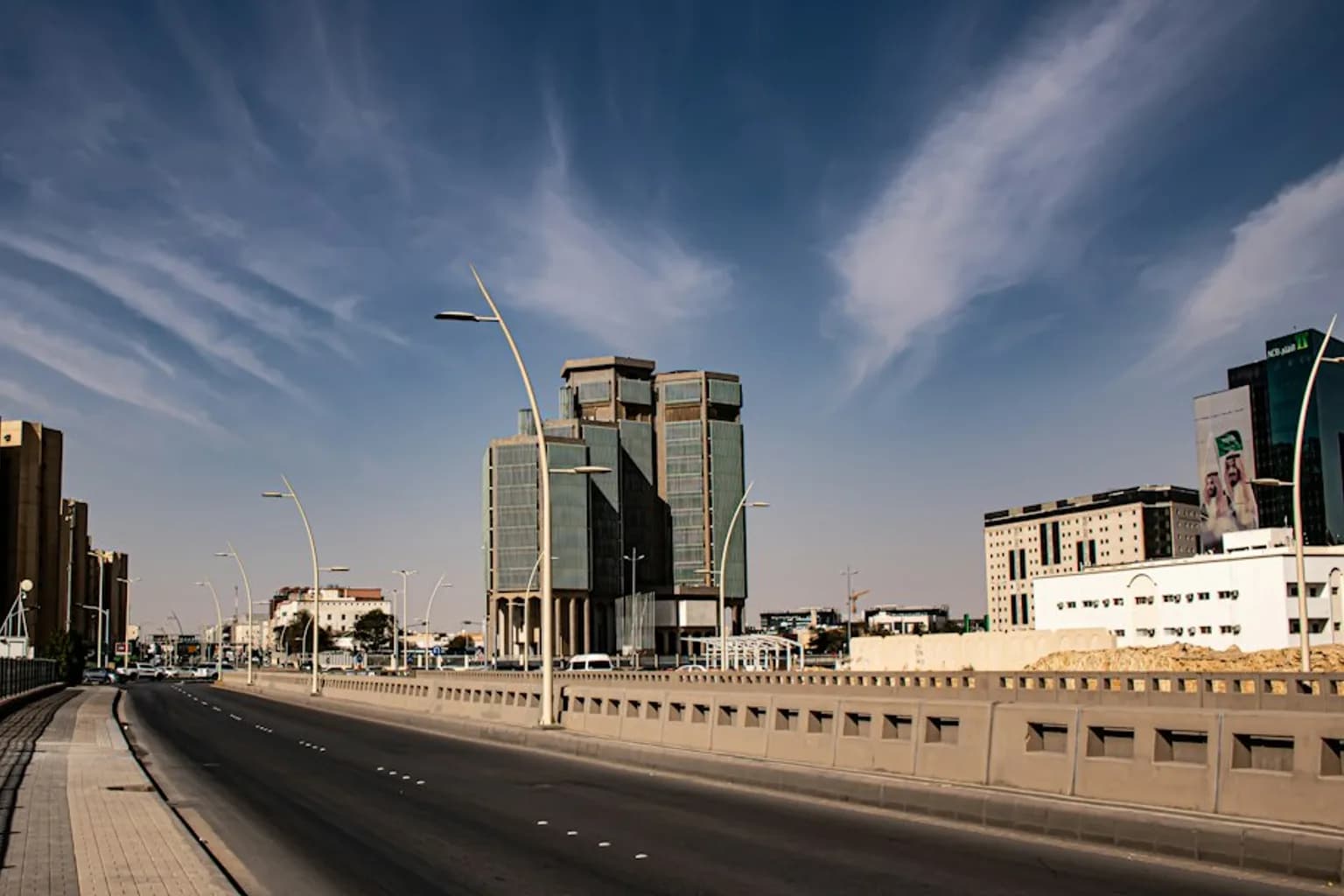
Saudi Arabia has withdrawn from mBridge, a China-led platform for cross-border payments using central bank digital currencies, after raising concerns about data governance and regulatory alignment. The withdrawal was confirmed in June 2025, ending Saudi participation less than a year after it joined as a full participant in June 2024.
The Saudi Central Bank, known as SAMA, said its involvement ended after it completed its proof-of-concept phase on May 13, 2025. The decision to leave was finalised in the second quarter of 2025.
Saudi Arabia was the first G20 nation from the Middle East to participate in the initiative. Its arrival had given mBridge the backing of a major regional economy, while its departure underlines the governance demands faced by payment systems intended to operate across several legal jurisdictions.
SAMA expressed reservations about the platform’s structure for governing data, particularly the treatment of transaction information shared across multiple jurisdictions. It also judged mBridge’s legal framework insufficiently aligned with Saudi domestic financial rules and international standards, including the recommendations of the Financial Action Task Force.
mBridge was developed by the central banks of China, Hong Kong, Thailand and the United Arab Emirates. It uses blockchain technology to enable faster and cheaper transactions through central bank digital currencies, often referred to as CBDCs.
The system is designed to let participating institutions settle transactions more directly with digital currencies issued by central banks. Conventional cross-border payments commonly depend on correspondent banking arrangements and systems such as SWIFT. mBridge is intended to provide a different route for cross-border settlement, independent of infrastructure tied to the US dollar and Western financial systems.
Such a system requires agreement on the rules that surround the transaction. Payments can move directly on a shared platform, while questions over who handles transaction data, which rules apply and how compliance is assessed remain divided among the jurisdictions involved. Saudi Arabia’s concerns centred on those institutional arrangements rather than a stated technical or operational fault with the platform.
The platform’s founding members remain in place following Saudi Arabia’s exit: the People’s Bank of China, the Hong Kong Monetary Authority, the Bank of Thailand and the Central Bank of the United Arab Emirates. A wider group of central banks has also taken part as observers.
mBridge has progressed from a pilot to a minimum viable product stage. The Bank for International Settlements stepped away from the project in October 2024. It said the participating central banks had reached a point at which they could run the platform independently.
Saudi Arabia’s withdrawal does not establish whether other participants share its concerns. The available information gives no details of discussions between SAMA and mBridge’s leadership before the decision, and it remains unclear whether Saudi Arabia would return if the governance framework changed. The effect on the platform’s adoption and expansion plans is also unknown.




Comments (0)