
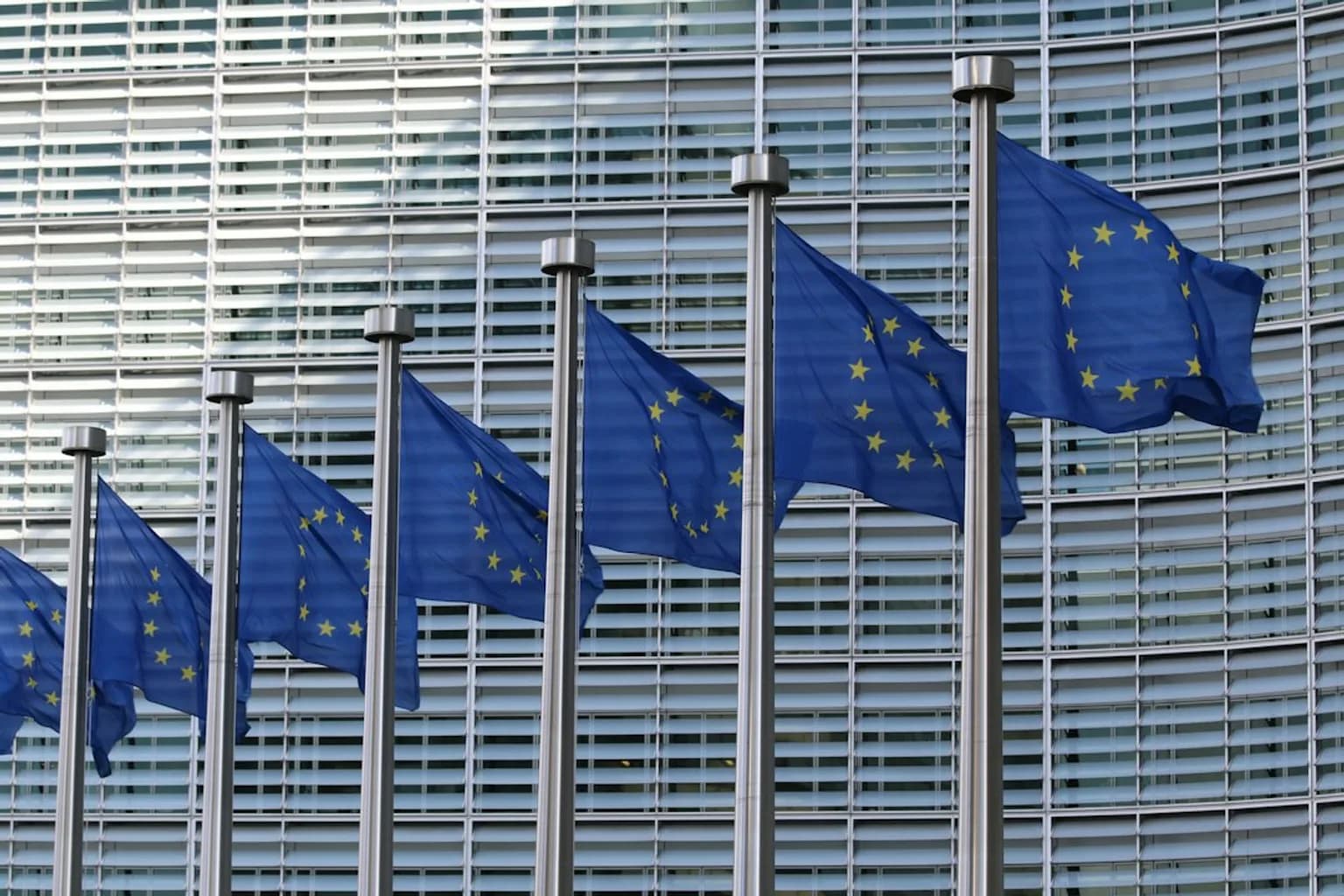
EU governments are blocking European Commission proposals for coordinated electricity network tariffs, setting up a dispute over who should control the costs of modernising the bloc's power system. Member states have raised political and economic concerns about expensive and congested infrastructure, while national regulators argue that Brussels risks undermining their legal independence.
The Commission has published legislation to amend Regulation (EU) 2019/943 on the internal market for electricity. Its broader objective is to modernise electricity networks, make better use of existing infrastructure and develop smart grids to support electrification and the energy transition. Brussels sees common approaches to tariffs and planning as part of a more connected European power market.
National governments and regulatory authorities are resisting that shift in authority. The Council of European Energy Regulators, which brings together national regulatory bodies, says the design of network tariffs should remain the responsibility of independent national regulatory authorities, or NRAs. It says network characteristics and patterns of electricity use differ substantially across member states.
CEER warned that a compulsory single model for every network and user could create poor or distorted price signals. It said such a system could also hurt users who cannot change when or where they consume electricity.
The dispute centres in part on proposed Article 61(5a), which would allow the Commission to adopt delegated acts covering harmonised tariff structures and methodologies. CEER has expressed reservations about the provision. It argues that EU law already requires tariffs to reflect costs, operate transparently, avoid discrimination and encourage efficient use of networks.
Article 59(1)(a) of Directive (EU) 2019/944 gives independent NRAs responsibility for designing network tariffs. CEER also points to recent judgments by the Court of Justice of the European Union, which confirmed that NRAs cannot receive outside instructions when carrying out their central regulatory duties.
In CEER's view, binding guidelines issued from Brussels would transfer powers to the Commission and introduce uncertainty for regulatory frameworks and market participants. The argument goes to a central question in the energy transition: whether the EU should manage grid investment and cross-border power flows through common institutions, or leave key decisions with national authorities that set charges for local networks.
The Commission is also seeking to strengthen the Agency for the Cooperation of Energy Regulators, known as ACER. Founded 15 years ago, the Ljubljana-based body employs more than 100 people. It currently has a largely supervisory function, with much of its influence coming through the drafting of network codes, common rules for the bloc's electricity grid.
Brussels has made little progress on network codes over the past decade. The Commission expects to propose a revision of ACER's powers in late 2026 or early 2027. Under an expanded mandate, ACER could be asked to draw up a single EU grid plan and help connect electricity markets across borders.
Christof Lessenich, a senior Commission official, is poised to become ACER's new director. The appointment would mark the first time the Commission has pushed through one of its own as ACER director, adding to concern among governments and regulators about a more centralised approach.
Germany is expected to lead opposition to giving ACER greater powers. The EU's top court ruled in late 2025 that ACER's effort to compel Germany to divide its bidding zone had “no merit”. The ruling is likely to strengthen German objections to a wider role for the agency.
The Visegrad Group, comprising Poland, Hungary, Czech Republic and Slovakia, has pledged to block EU measures that increase energy prices. Its position adds an organised political challenge to the Commission's plans at a time when tariff design has become bound up with the cost of upgrading and operating electricity infrastructure.
The immediate outcome of the proposals remains unclear. The available information does not establish whether governments' opposition amounts to an outright block or whether changes to the legislation could secure agreement. It also remains unknown which member states, if any, support the Commission's approach. For now, the contest places Brussels' ambition for a unified electricity system against national control over network charges and regulatory powers.





Comments (0)