
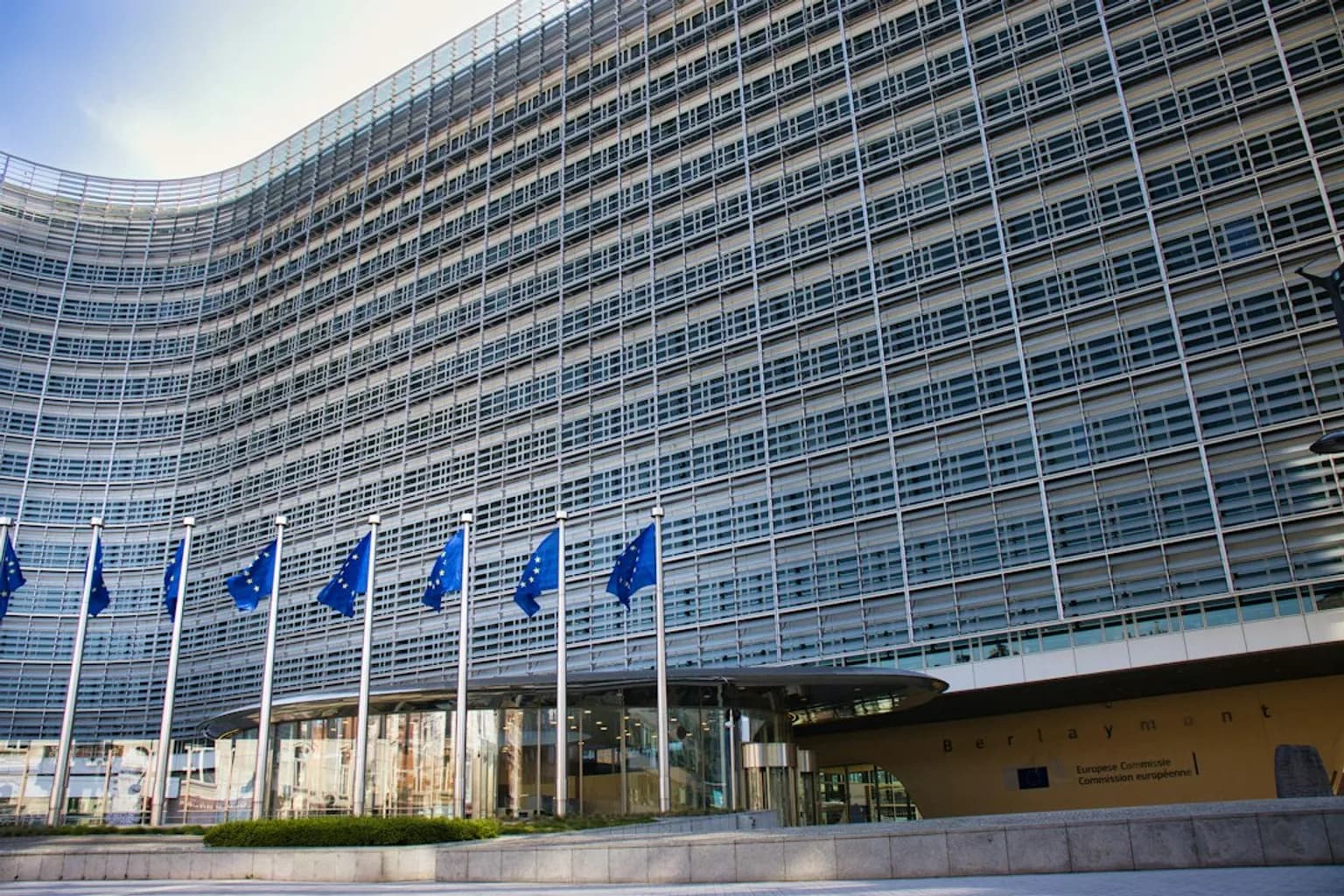
The European Commission wants future EU members to give up the power to block some Council decisions for as long as 15 years, and to face the possible loss of voting rights if they seriously breach the bloc’s common values. The proposals, published on 6 October 2026, are intended to prevent democratic backsliding by countries seeking or holding EU membership.
The measures form part of the Commission’s long-awaited pre-enlargement strategy, which it is presenting on October 6. The 16-page document is designed to prepare the Union’s governance, policies and budget for enlargement, while strengthening protection for its values and the rule of law.
The strategy has four current front-runners in view: Albania, Moldova, Montenegro and Ukraine. Its central aim is to make sure commitments made during accession negotiations continue to be met steadily after a country joins.
Under the draft, new member states would undertake, for a limited period, not to oppose Council decisions that require unanimity. That period could stretch to 15 years.
The Commission also wants safeguards for new members to last up to 10 years, against the usual three years.
A temporary institutional safeguard clause would apply in the event of a particularly serious breach of common EU values. It could suspend specified rights arising from membership, including voting rights in the Council.
For fresh members, voting rights could be removed by a simple qualified majority under the proposal. The rules would not cover current member states, leaving democratic backsliding by older members harder to punish through this mechanism.
The Commission’s approach follows measures announced by President von der Leyen in her 2023 State of the Union address and mandated by the European Council.
EU leaders are due to debate the draft for the first time at a Brussels summit on 15-16 October. It remains unclear whether member states will accept the different treatment of new and existing members, or whether candidate countries will accept safeguards lasting up to 10 years.
Montenegro is still aiming to be EU member 28 by 2028. Croatia is currently blocking the closing of several key accession chapters for Montenegro to put pressure on Podgorica.
Existing members have used their leverage in past enlargements. Slovenia delayed Croatia’s EU membership by nearly a year over land and maritime border disputes.





Comments (0)