
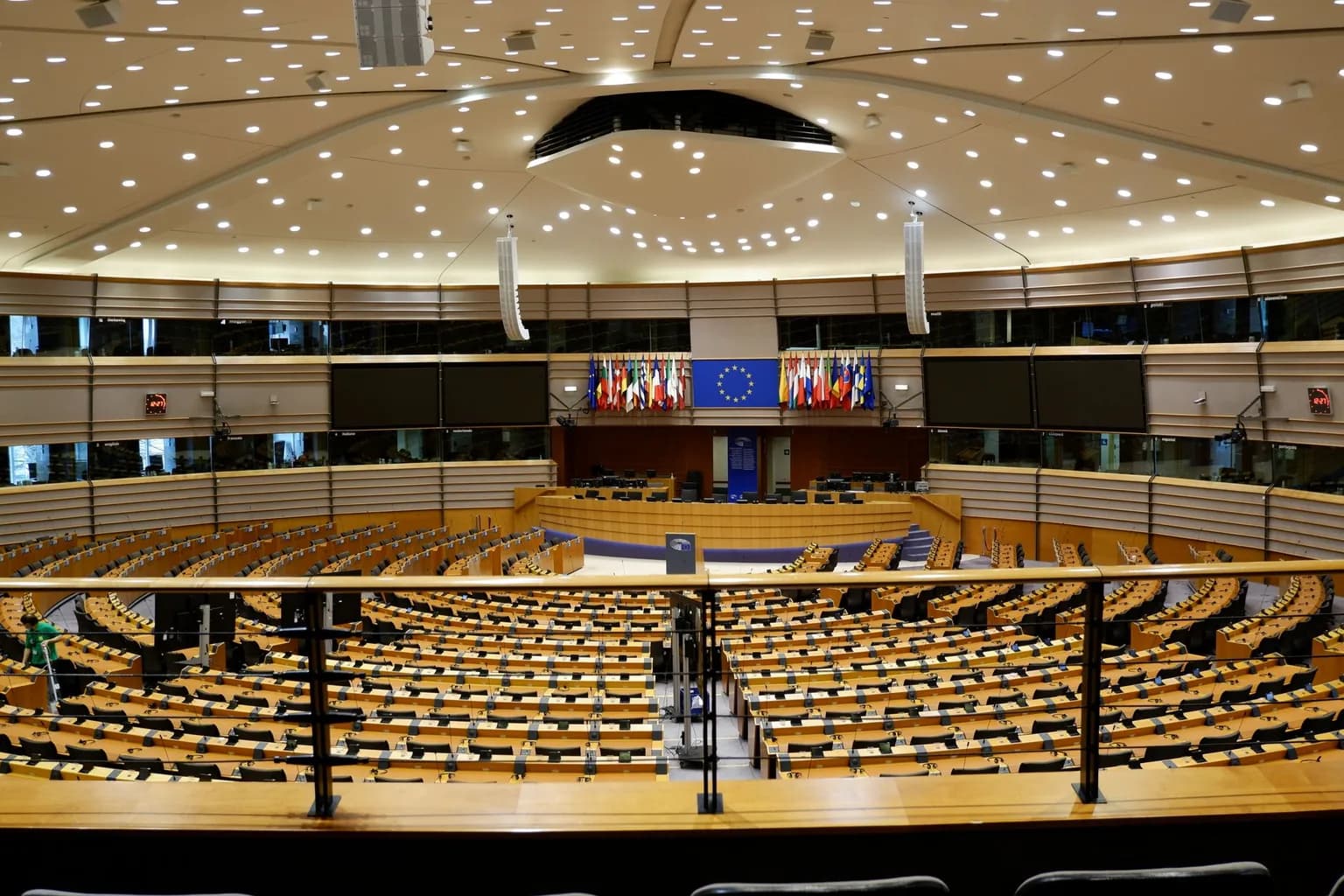
Thomas Byrne, Ireland’s junior minister for European affairs, chaired a press conference in Brussels on Tuesday as Ireland led negotiations among governments on the European Union’s next long-term budget.
The proposed budget covers 2028–34 and amounts to almost €2tn over seven years. Talks have become fractious as richer member states press for cuts to staffing, development aid, farming and regional grants.
Germany, Denmark, the Netherlands, Austria, Finland and Sweden called in a joint statement issued in August for reductions of several hundred billion euros. The demands in the negotiations amount to ‘hundreds of billions’ in cuts.
The European Commission has proposed a revenue package intended to generate €58.2bn a year in 2025 prices. Its plan draws on income linked to emissions trading, carbon charges on imports, tobacco duties, uncollected electronic waste and an annual contribution from large companies.
The European Parliament adopted its position in April, seeking a larger budget and calling for recovery debt repayments to be counted separately from programme spending. It also wants funding for agriculture and regional development protected.
Siegfried Mureșan, one of Parliament’s two lead budget negotiators, and Carla Tavares, a Socialist budget negotiator involved in the talks, are part of Parliament’s negotiating effort. Parliament’s negotiators have suggested further sources of revenue, including taxes on digital services, online gambling and gains from crypto-assets.
Ireland was preparing a revised proposal intended to bridge differences over spending among governments. Parliament’s budget negotiators sent their message on Wednesday, ahead of a fresh compromise due on Saturday.
Piotr Serafin, the Budget Commissioner, said the Commission would consider Parliament’s alternatives and examine ways to fine tune and modulate its revenue package.
EU leaders aim to reach agreement before the end of the year.





Comments (0)