
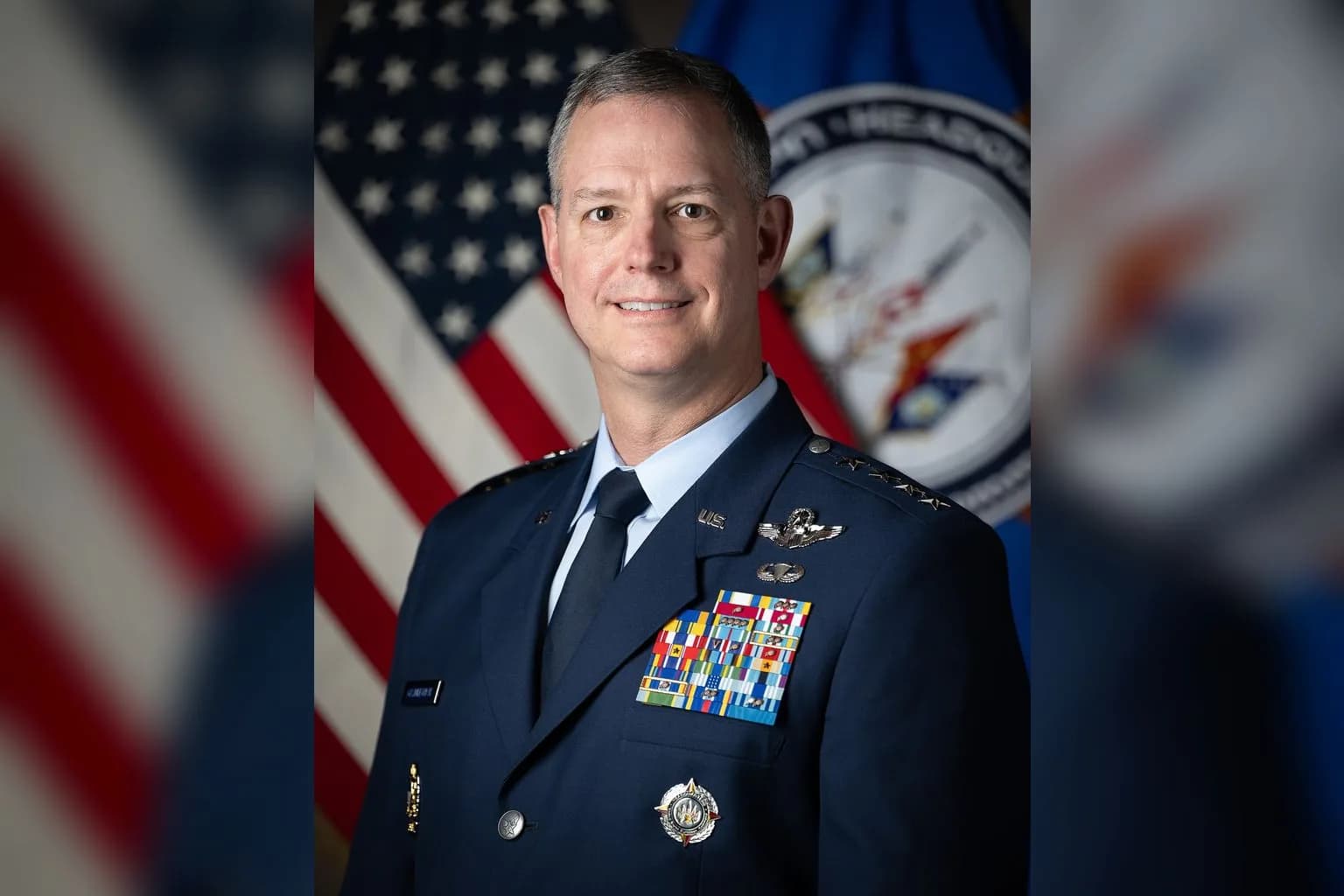
From NATO’s Supreme Headquarters in Mons, Belgium, General Alexus Grynkewich is developing a defence strategy built for a form of war in which cheap drones and artificial intelligence have become central military tools. Grynkewich, NATO’s Supreme Allied Commander Europe, has called the plan the “Theory of Victory”.
Its purpose, according to Colonel Martin O’Donnell, spokesman for the Supreme Allied Commander Europe, is to preserve the alliance’s military edge. “The Supreme Allied Commander Europe's theory of victory is simple: maintain NATO's advantage. Given the unsettled and complex global security environment, we need to set conditions now to deter aggression and, if necessary, win if attacked.”
The strategy is expected to go before NATO member states in Poland on 12 October.
NATO has long depended on conventional forces and platforms. Russia’s war against Ukraine has sharpened the pressure to adjust, as drones and artificial intelligence take a larger role in warfare.
Ukraine’s forces have deployed over one million drones since 2022. Neither Russia nor Ukraine had leveraged AI/ML drones on the battlefield at scale as of early June 2025, though both were increasingly combining ML capabilities with limited AI adaptations in new drone variants as they work towards fully AI/ML-powered systems.
In December 2024, Major Robert ‘Madyar’ Brovdi, a Ukrainian strike drone regiment commander, said his regiment would become a separate uncrewed systems brigade within Ukraine’s armed forces.
Grynkewich’s proposed plan would join conventional forces to low-cost drones, minimally crewed systems and AI-enabled targeting. NATO would use those capabilities alongside land forces to block a possible incursion and, if necessary, disrupt an enemy’s command-and-control systems.
The proposal also calls for stronger collective defences against hybrid threats, including hostile activity below the threshold of conventional warfare.
The underlying choice is financial as well as military. European NATO members are increasing defence budgets while debating how much should go to conventional equipment, including tanks, and how much to newer drone and AI technologies. The strategy points to a potential change in how members allocate spending as the alliance prepares for a possible Russian attack on its eastern flank.
The United States has separately asked allies what additional forces they could contribute to Grynkewich’s defence plans. The specific contributions expected from each ally have not been set out.
NATO has already tried to shorten the journey from an identified technological need to equipment in service. Its Rapid Adoption Action Plan, adopted in June 2025, set a general ambition to move relevant technology from requirement to acquisition and integration within 24 months. The alliance has also created a €1 billion NATO Innovation Fund.
The task is large. NATO began with 12 members in 1949 and has 32 NATO members as of 2026. Its members represent nearly half the world’s GDP and operate under a binding security guarantee under which an attack on one is treated as an attack on all.
Only a handful of members currently meet the two percent GDP defence-spending threshold, including Poland, Greece and the US. The question for the alliance is whether its members can align force contributions, spending decisions and technology integration behind a doctrine designed to combine established military power with systems that are cheaper and quicker to deploy.





Comments (0)