
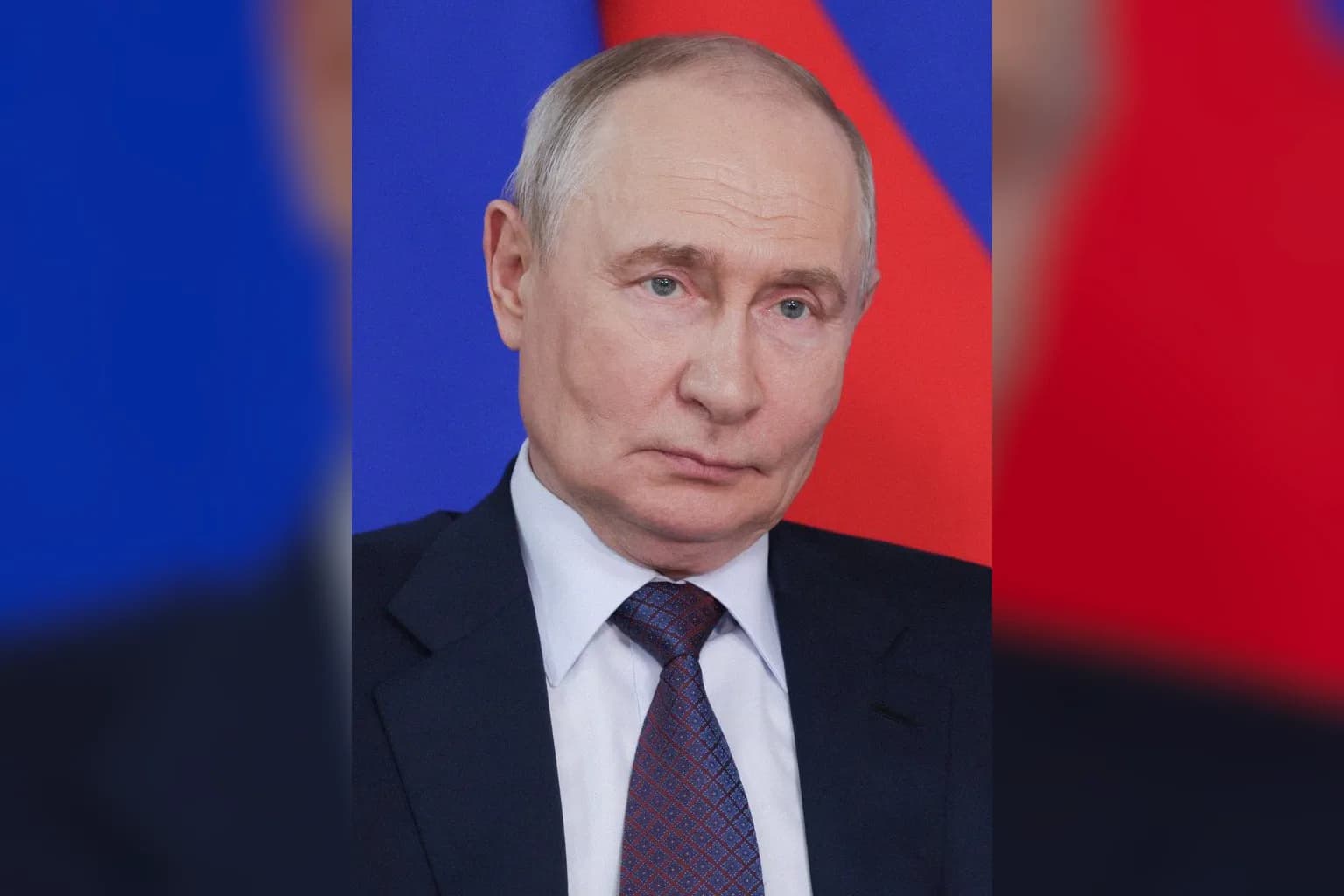
Vladimir Putin met Russia’s elite businesspeople behind closed doors in March 2026, with many of those present facing Western sanctions. The purpose was to seek voluntary contributions for military operations.
At the meeting, the Kremlin said one participant offered a “very large sum of money” to the government. A participant also said wealthy Russians who made large fortunes in the 1990s through state ties had an obligation to support the budget.
The full list of attendees was never made public.
Private contributions from Russian billionaires rose substantially after the meeting. By the end of 2026, the country’s wealthiest citizens had contributed 471 billion rubles, approximately $5.6 billion, in wartime payments to the federal budget.
Budget documents classify the payments as “voluntary receipts”. Putin said in September 2026 that the contributions had reached “hundreds of billions” of rubles.
The donations covered more than 1% of government spending and brought in more than the corporate windfall tax, which was paid mainly by metals and fertilizer companies. The Finance Ministry estimated that, without the 471 billion rubles, the 2026 budget deficit would have been 3.4% of gross domestic product rather than 3.2%.
The recorded deficit was double the state target of 1.6% of gross domestic product. Military and security spending accounted for 38% of annual expenditure.
The government is also looking elsewhere for revenue. Moscow plans to raise 385 billion rubles from sales of seized assets in 2026, while extracting billions from seized private assets. Tax increases worth 3.7 trillion rubles are planned through 2029, including bank deposit taxation expected to bring in 1 trillion rubles by 2027.
Russia is planning record defence budgets for 2027 alongside deep welfare cuts.




Comments (0)