
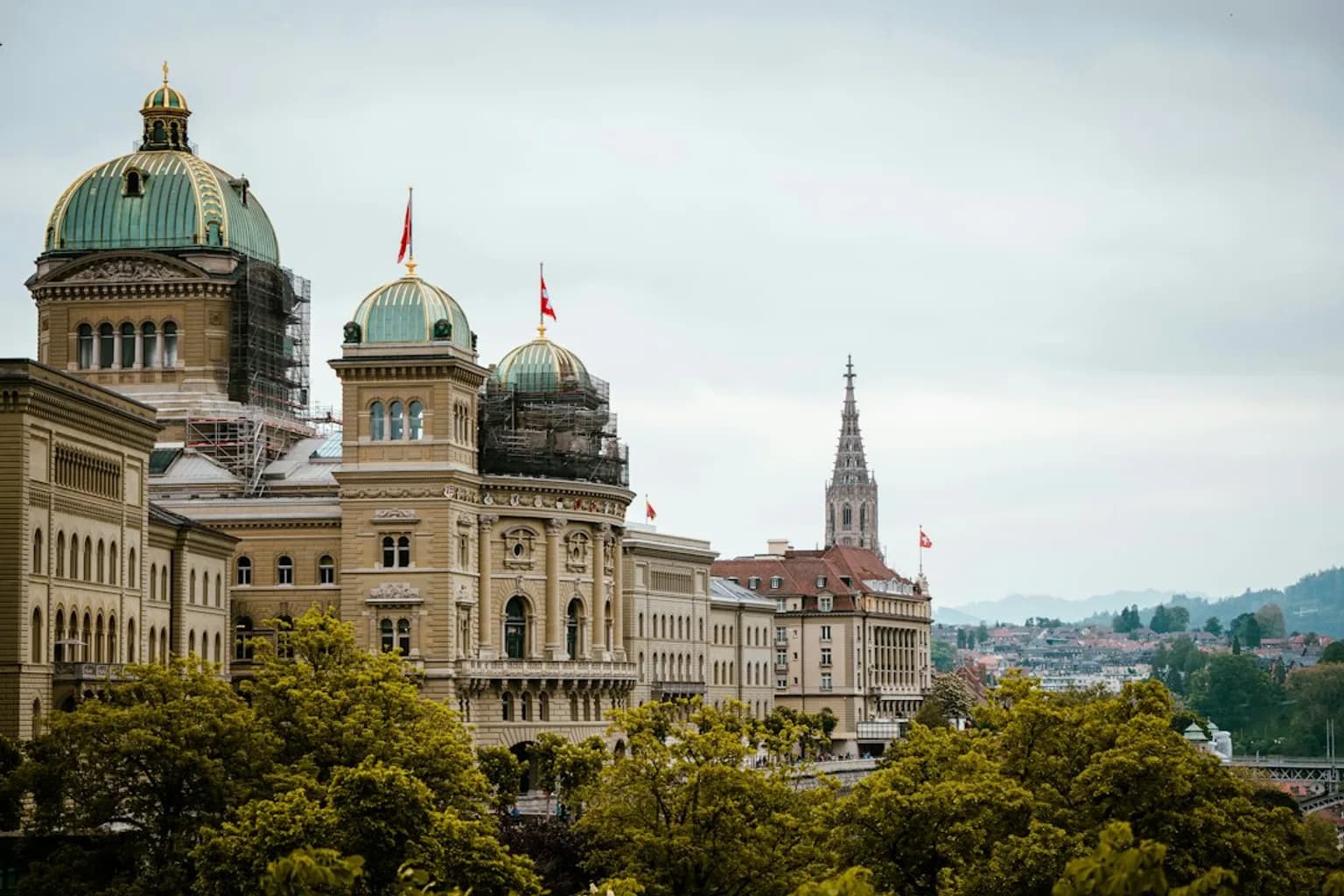
Swiss voters will decide on 27 September whether to place a stricter definition of neutrality in the constitution, a change that could require the country to end its existing sanctions against Russia and sharply limit future cooperation with military alliances.
The proposal, launched by the right-wing Swiss People’s Party, would define Swiss neutrality as “perpetual and armed”. It would bar Switzerland from cooperating with a military alliance unless the country faced a military attack or preparations for one. It would also prevent Switzerland from imposing sanctions on a belligerent state unless they had been mandated by the United Nations Security Council (UNSC).
The referendum follows Switzerland’s 2022 decision to adopt European Union sanctions against Moscow after Russia’s invasion of Ukraine. That decision prompted the initiative, which campaigners filed in April 2024 with 129,806 valid signatures.
Government officials and parliament oppose the amendment. Foreign Minister Ignazio Cassis has pointed to Switzerland’s long record of “flexibility”, arguing that it has protected the country’s “freedom, security and independence”.
A yes vote would bring significant changes to Swiss foreign policy. Existing sanctions against Russia could have to be unwound, while future participation in EU- or US-led sanctions would be blocked unless the UNSC had acted. A no vote would leave in place the flexible, case-by-case approach Switzerland practises today.
The measure faces a high constitutional threshold. It requires a double majority, winning support from voters and from the 26 cantons.
Recent polling suggests the proposal is likely to fail, though the outcome remains uncertain. On Wednesday, public broadcaster SRG found that 63% of voters opposed the change. Tamedia/20 Minuten recorded 68% rejection, with support ranging from 31% to 34%.
Neutrality has held a central place in Switzerland’s political order for generations. The country’s permanent neutrality was internationally recognised in 1815 after the Napoleonic Wars. It became part of the constitutional framework of the modern Swiss federal state established in 1848.
Swiss authorities have historically treated neutrality as a principle that could be applied according to circumstances. A 1993 Federal Council report concluded that neutrality was not a rigid concept and should adapt to changing international conditions. The current initiative would replace that discretion with binding constitutional limits.
The vote is also being followed beyond Switzerland. Moscow quietly favours the referendum, while Western capitals are watching warily. Switzerland’s State Secretariat for Security Policy, known as SEPOS, has said it has taken note of increasing coverage of the “Neutrality Initiative” in the Russian media landscape.
Russia has argued through official and propaganda channels that Switzerland ceased to be neutral when it adopted EU sanctions. Swiss voters must now decide whether that sanctions policy, and the wider room for manoeuvre it represented, should remain available to future governments.





Comments (0)