
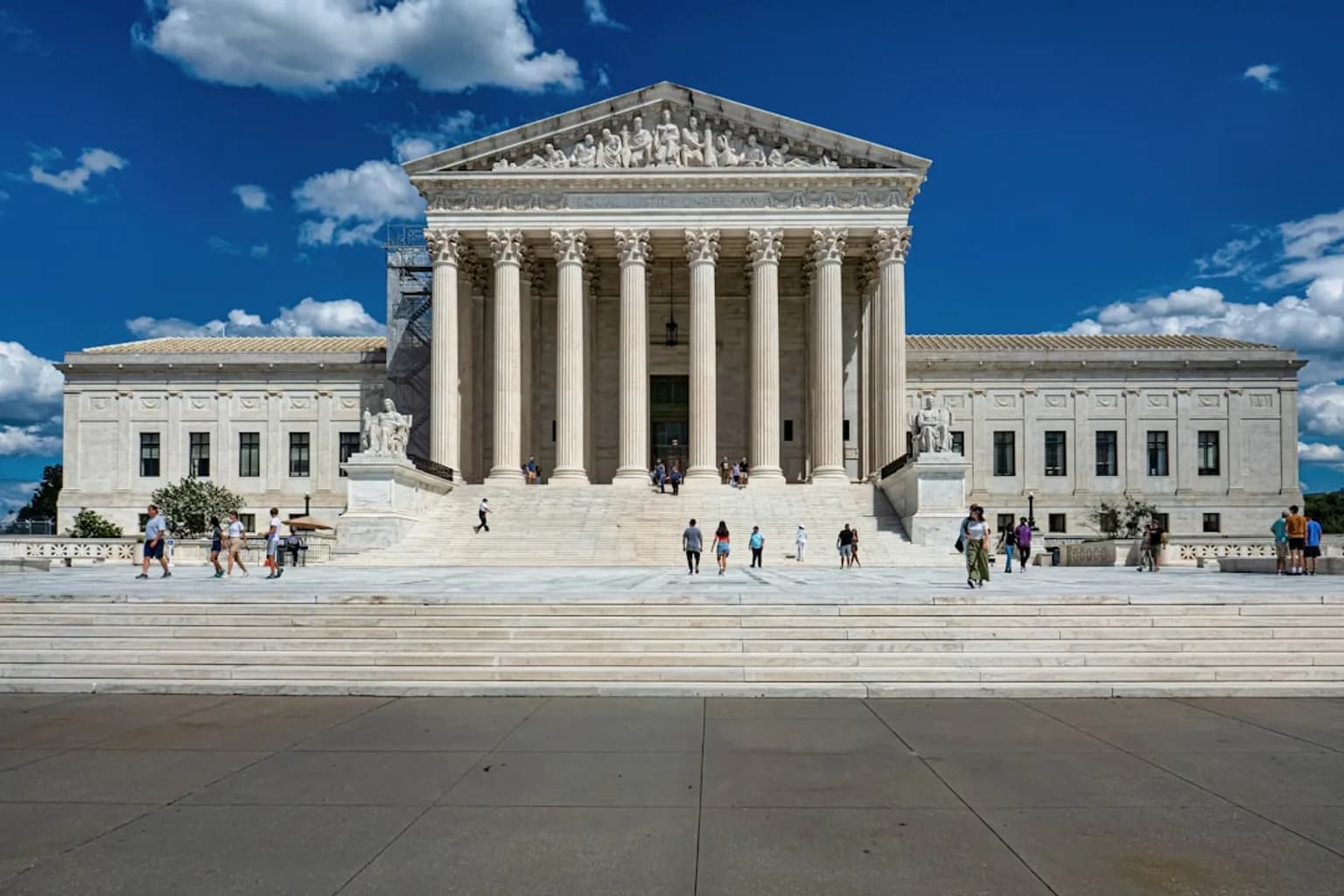
The Supreme Court on Monday blocked an emergency bid by the Trump administration to enforce a US Postal Service (USPS) rule that would have tightened mail ballot requirements nationwide. The 7-2 decision drew a public rebuke from President Trump on Tuesday against all three justices he appointed to the court.
Justices Brett Kavanaugh, Neil Gorsuch and Amy Coney Barrett joined the majority. Justices Samuel Alito and Clarence Thomas were the only public dissenters.
Trump wrote in a Truth Social post: "These are not the people I interviewed to serve on the United States Supreme Court, they are merely a shell of their original selves, a Court that is costing the United States Trillions of Dollars with shockingly bad rulings".
He described the decision as "a big loss for Republicans, and America itself". Trump praised Alito and Thomas, calling the two dissenting justices "legends".
The USPS regulation arose from an executive order Trump signed in March. It would have required states to provide voter lists and comply with requirements concerning ballot-envelope markings and bar codes. Trump said the measure was meant to prevent illegal voting by non-citizens.
Kavanaugh filed a concurrence focused on the timetable for the election. He wrote that allowing the rule to proceed "would be arbitrary and capricious in violation of the Administrative Procedure Act because state and local election officials do not have sufficient time to reasonably implement the rule before the elections".
By the time the court acted, mail ballots were already being cast in Alabama, North Carolina and Wisconsin. U.S. District Judge Indira Talwani had issued a temporary restraining order in late August that blocked the USPS regulations.
The Supreme Court’s order applies only to the November elections. It leaves unresolved how mail ballot procedures could be affected in later elections, and the precise scope of the Postal Service’s authority to regulate them.
Alito argued in dissent that the USPS "has broad authority to regulate the mail" and likely holds the power to impose the limits preferred by Trump. Thomas joined that dissent.
The ruling comes less than two months before Election Day, with Republicans defending slim majorities in both the House and Senate. Nearly 30% of voters nationwide mail in their ballots.
Attorney General Todd Blanche said during a Tuesday press briefing that the administration would continue its efforts to tighten rules around mail-in voting beyond November.




Comments (0)