
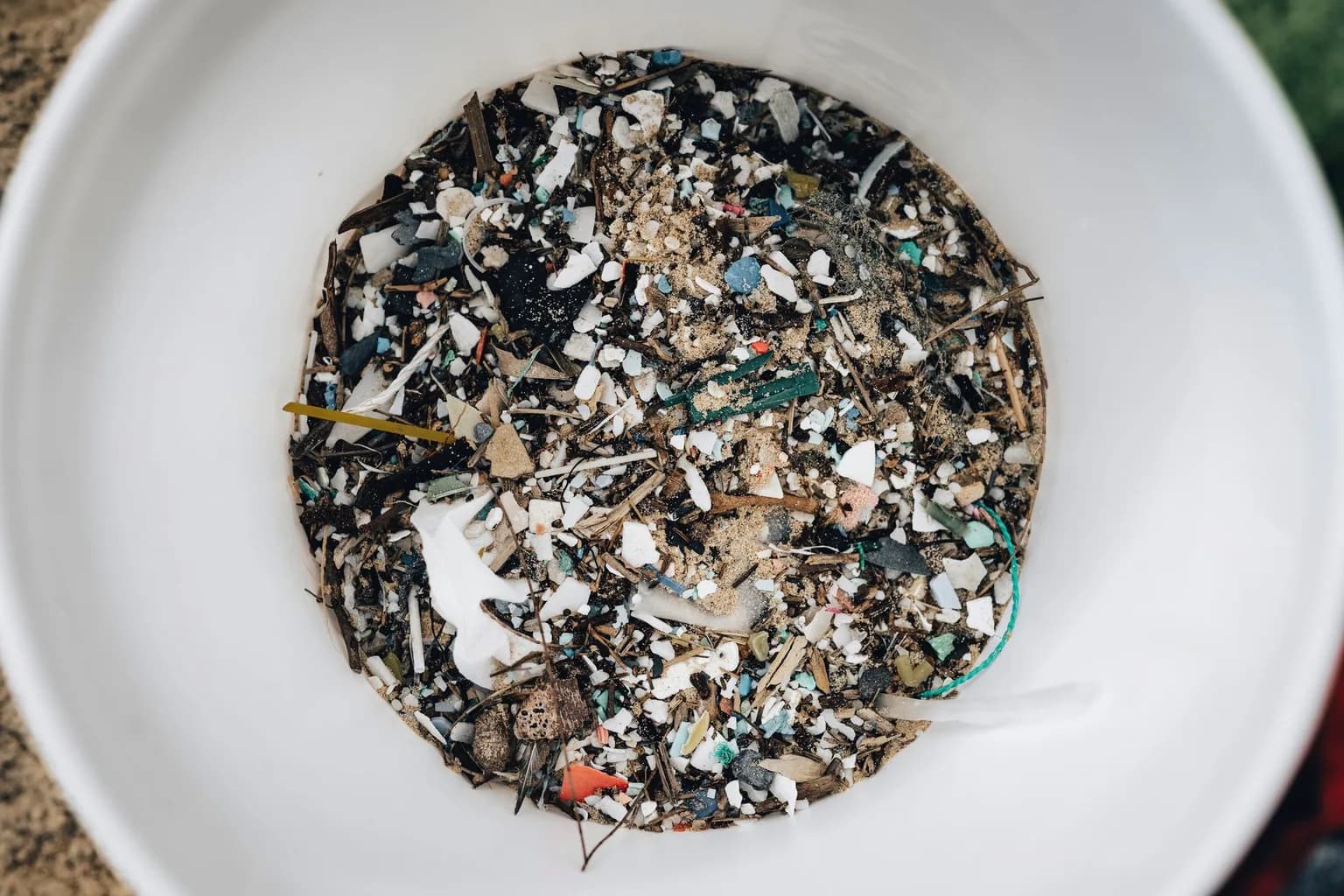
Microplastics were found in the soil of all 227 agricultural fields examined across 11 European countries by a five-year EU-funded research project, adding to concerns about the condition of farmland and the security of food production.
The MINAGRIS project, funded under Horizon Europe, has systematically assessed microplastics and nanoplastics in agricultural environments. Its work has resulted in 22 peer-reviewed studies. Researchers said the findings show that contamination reflects both present-day farming methods and the historical use of the land.
Agricultural fields have become major global repositories for plastic pollution because they receive continuous inputs from plastic mulching, compost amendments and wastewater irrigation, the researchers said. Microplastics may also enter farmland through sewage sludge used as fertiliser or through irrigation.
The project found that plastic pollution can remain in soil for many years. It described contamination as widespread across agricultural, urban and sludge-amended environments, where levels frequently range from moderate to severe. Researchers said microplastics contamination poses a global threat.
The concern extends beyond the presence of particles in soil. Researchers found that microplastics can act as a “Trojan horse,” carrying pollutants, pesticides and bacteria through farmland. The particles can also interact with agricultural stressors including pesticides and veterinary drugs.
Microplastics and nanoplastics can serve as environmental vectors across the soil-water continuum. Their surfaces can bind persistent organic pollutants, heavy metals and other toxins. When organisms ingest the particles, the adsorption-ingestion-release pathway can affect the availability and combined toxicity of pollutants across multiple trophic levels.
Particle size appears to be important. The smaller the microplastic, the more dangerous it seems to be, according to the research. Nanoplastics below approximately one micrometer can cross biological membranes and distribute pollutants they carry directly into internal organs.
Researchers also examined biological processes occurring on plastic surfaces. A biofilm known as the “plastisphere” can form on microplastics and nanoplastics. It provides a physical surface that selectively enriches microbial communities and mobile genetic elements.
Microorganisms living close together within these biofilms can exchange antibiotic-resistance genes through horizontal gene transfer. Under particular combinations of chemical stress, researchers said the local enrichment created by the plastisphere can become a precursor that facilitates this transfer. The combined chemical and biological vector effects were particularly pronounced after exposure lasting more than 30 days.
The research leaves important questions unresolved. Horizontal transfer of antibiotic-resistance genes in field conditions remains highly context-dependent. The studies also do not establish the health effects for people who consume food grown in contaminated soil, or the concentrations of particles and associated pollutants that would create a critical risk to soil function or food safety.
Effective ways to remove or reduce contamination in agricultural fields have yet to be established. It is also unknown how accumulation will develop over coming decades if current inputs continue. Researchers said there is growing concern over the build-up of microplastics in farming environments and its potential consequences for soil sustainability and food security.





Comments (0)