
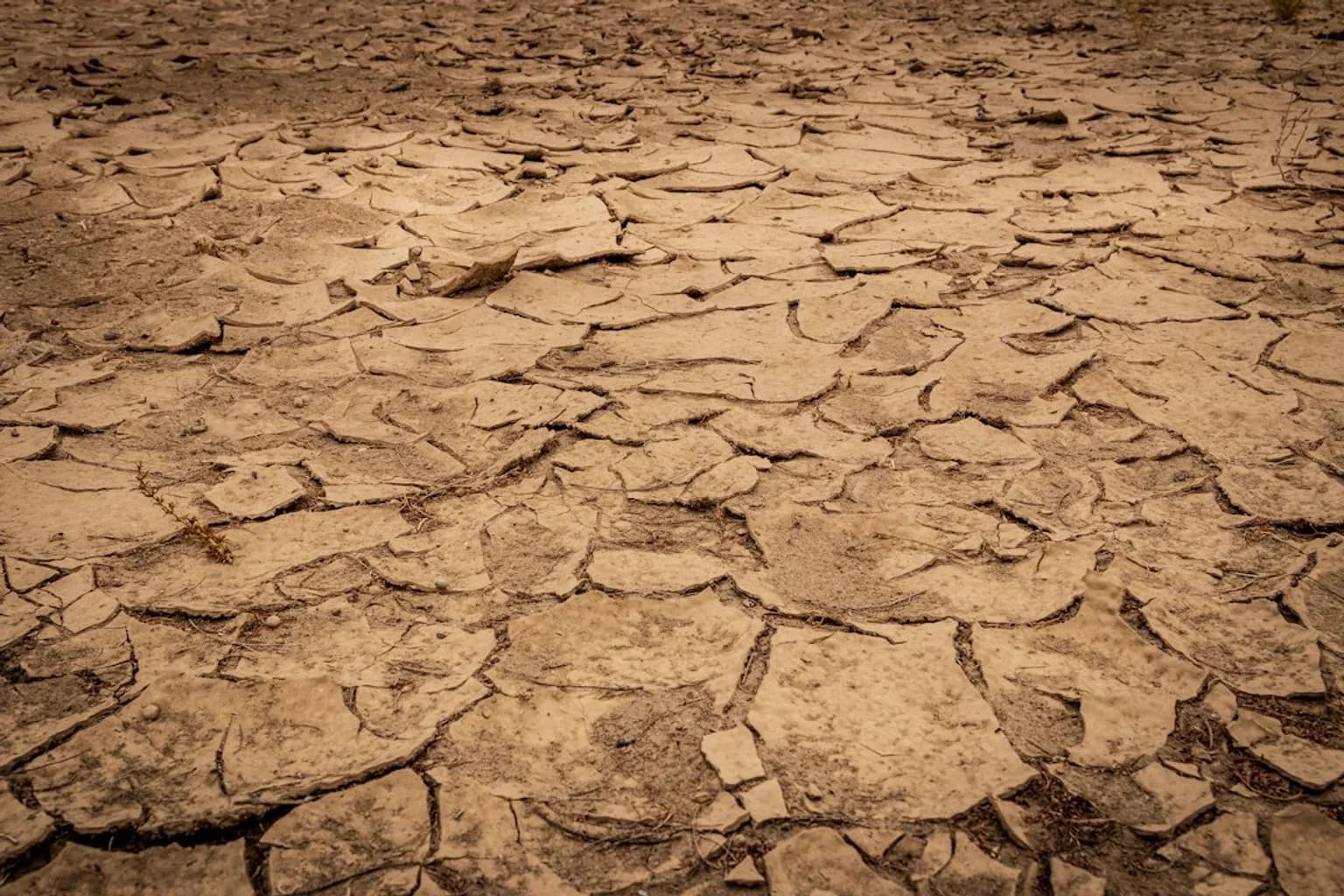
Rivers around the world recorded one of their driest years in 35 years in 2025, according to a World Meteorological Organization report that points to sustained pressure on freshwater reserves and a more erratic global water cycle.
The WMO’s State of Global Water Resources report, released on 17 September 2026, found that below-normal river flows covered 36% of global basin area in 2025. It said the pattern formed part of a longer shift: for the seventh consecutive year, river basins with normal conditions were a clear minority, ranging between 34–38%. The average share between 1991–2020 was 46%.
The past seven years have therefore recorded the fewest rivers with normal flows since 1991, the report said. Its findings draw on 13 global hydrological models using observed weather data.
The assessment also found that nearly two-thirds of monitored wells lay outside their historical norm in 2025. Terrestrial water storage has followed a declining trend since 2014–2016, which WMO Secretary-General Celeste Saulo described as a persistent, decade-long signal of depleted reserves.
Glaciers lost 408 gigatonnes in 2025. The losses marked the fourth consecutive year in which glaciers declined across all major regions, according to the WMO.
The report describes a water cycle increasingly marked by sharp swings between shortages and excess. National Meteorological and Hydrological Services worldwide have reported record-breaking floods and droughts in each of the past five years.
Conditions varied sharply by region. Between 2021 and 2025, the Amazon and La Plata basins in South America, the Middle East and the Greater Horn of Africa experienced persistent drought lasting several years. In 2025, the Nile, Congo and Zambezi basins recorded much-below-normal discharge.
Terrestrial water storage remained below normal across northern and southwestern North America, Patagonia, Eastern Europe, the Middle East, Central Asia, eastern Brazil, northern India, parts of Northern Europe, China and North Africa.
Elsewhere, South and Southeast Asia and parts of northern South America had above-normal to much-above-normal river flows during 2025. The contrast illustrates the uneven distribution of water extremes identified in the report.
Asia and Africa together accounted for at least half of all recorded water-related extreme events over the past five years, according to the WMO. The two continents also accounted for more than 80% of reported associated deaths during that period.
The report does not set out specific mechanisms behind the decline in terrestrial water storage since 2014–2016. It also does not attribute the seven-year run of below-normal river conditions between climate drivers and natural variability, or provide a forecast for whether the pattern will persist.
It does not quantify the economic effects of the 2025 drying on agriculture, hydropower or municipal water systems. Nor does it provide a timetable for worsening freshwater stress in the regions affected by drought, or specify policy and mitigation recommendations.





Comments (0)