
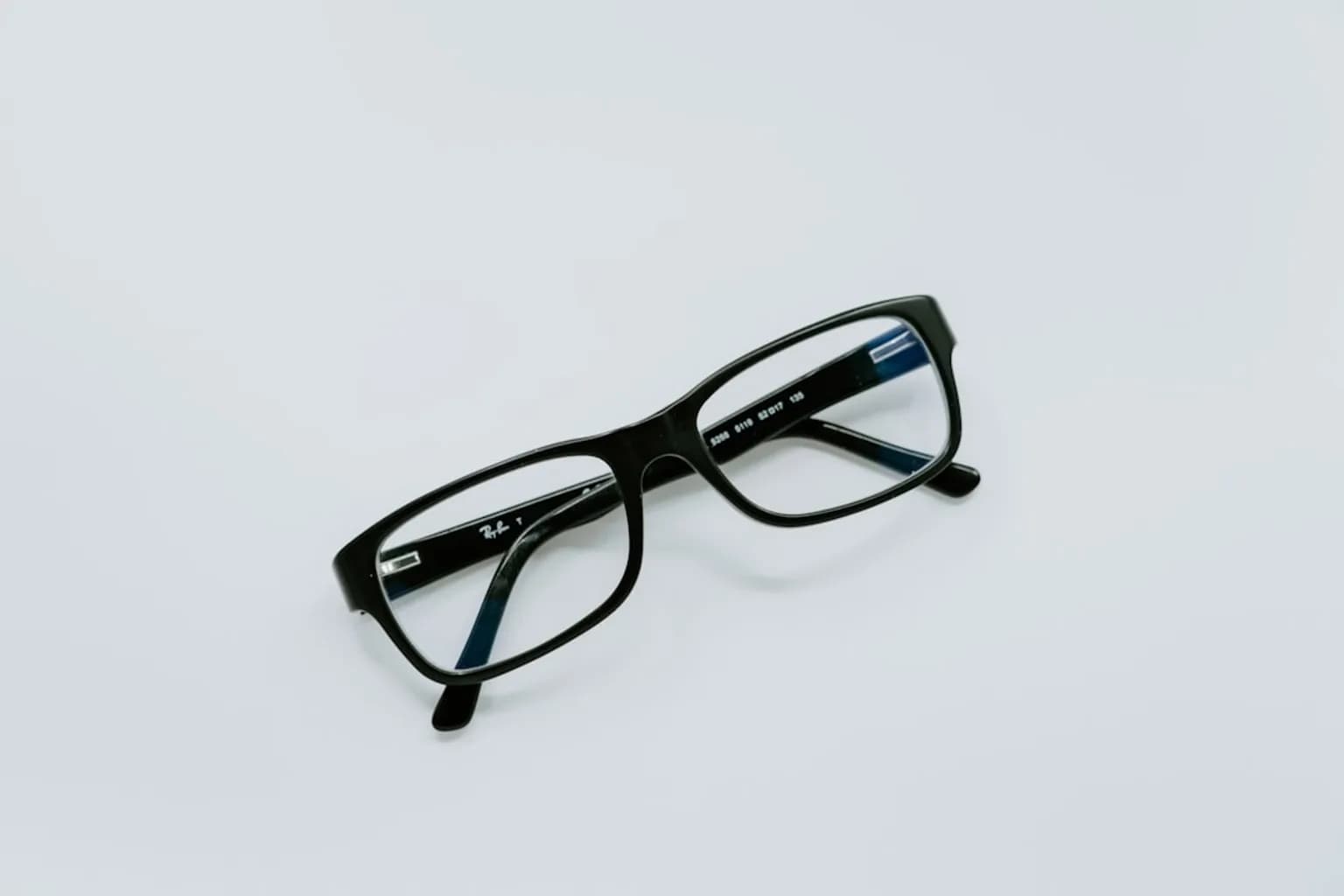
“These voyeuristic glasses are a recipe for trouble. We are drawing a line here. Concealing a camera in an everyday object facilitates online abusive behavior. Victims of these glasses are already reaching out to our helpline”.
Robert Hoving, chief executive of Offlimits, an organisation that combats online abuse, made the warning as reports of covert filming with Meta’s Ray-Ban smart glasses have led a Dutch eyewear chain to halt sales and privacy groups to demand that the company withdraw the camera-equipped product.
Hans Anders has suspended sales of Meta’s Ray-Ban smart glasses in the Netherlands and Belgium. A spokesperson said the move followed continuing public and political debate about smart glasses and questions over the circumstances in which the technology can be used.
Hundreds, and possibly thousands, of Dutch women and girls have been secretly filmed with Meta’s AI camera glasses in recent months, according to the reports. Videos of people filmed without consent have circulated in Telegram groups and on “creepshot” websites and platforms. The footage includes victims on beaches, shopping streets and in bathrooms.
The glasses resemble ordinary eyewear. Their camera has a small white recording light, which is the only warning for people being filmed. The light can be covered with a sticker. The latest Ray-Ban Meta model has a 12-megapixel camera capable of recording 3K video, alongside a new button for Meta’s artificial intelligence assistant.
Meta launched the third-generation Ray-Ban Meta glasses on 23 September, putting them on sale that day for $449. That was $70 more than the previous model’s launch price.
The issue extends well beyond the Netherlands. Police and prosecutors in France, Spain, South Korea, Japan and the US have opened cases involving men accused of using camera glasses to film women and girls without consent.
Paris prosecutor’s cybercrime division confirmed on 22 September that it had begun several investigations into men who approached women in the street, recorded them using smart glasses and uploaded the clips to TikTok. The inquiries cover alleged violations of private life, which can carry up to two years in prison and a €45,000 fine, as well as sexual harassment and sexual assault.
France’s child-protection helpline e-Enfance received about 20 reports by 8 September and about 30 by late September. The country’s data-protection authority, CNIL, has received about 10 complaints involving smart glasses in workplaces.
Spanish police made arrests in Barcelona in May 2025 and Girona in November 2025. Seoul police opened an investigation in July. A self-described teacher in Hyogo, Japan, was arrested on 20 July. In the US, Boston police charged a man on 18 August over allegations that children were filmed while changing at a public pond.
The Dutch privacy regulator, AP, has warned that recordings made with smart glasses that show identifiable people generally cannot be shared or published without their permission. Consumer group Consumentenbond has said it will take Meta to court unless the company alters the glasses to meet privacy-law requirements.
Offlimits and the Firewall Foundation have demanded that Meta cease selling the camera glasses and stop processing footage from them unless people shown in it have given explicit consent. Eric Smit, chair of the Firewall Foundation, said: “The Meta glasses harm individuals filmed without consent and represent a new step toward normalizing surveillance by big tech companies”.
Restrictions are also being imposed by private venues. In Britain, pub chain Wetherspoon has limited use of Meta’s glasses because of concerns over covert recording. Multiple music venues, festivals and saunas in the Netherlands have blacklisted them. Trade association KHN is advising hotels and cafes to tighten their house rules, while sports organisations have raised concerns about athletes being filmed in changing rooms.
Meta and Luxottica also face a lawsuit in the US alleging that video captured by the glasses was viewed by human annotators without the knowledge of those filmed. The outcome of that case, and of possible Dutch legal action, remains unknown.
Meta has unveiled a camera-free alternative, Ray-Ban Meta Audio, which has six microphones and is available for preorder from 13 October at $349. Meta says the audio-only product had been in development for two years and was not rushed out in response to public anger. Whether the Dutch government will formally ban sales of Meta’s camera glasses, and whether Meta will change the product’s recording safeguards, remains unclear.




Comments (0)