
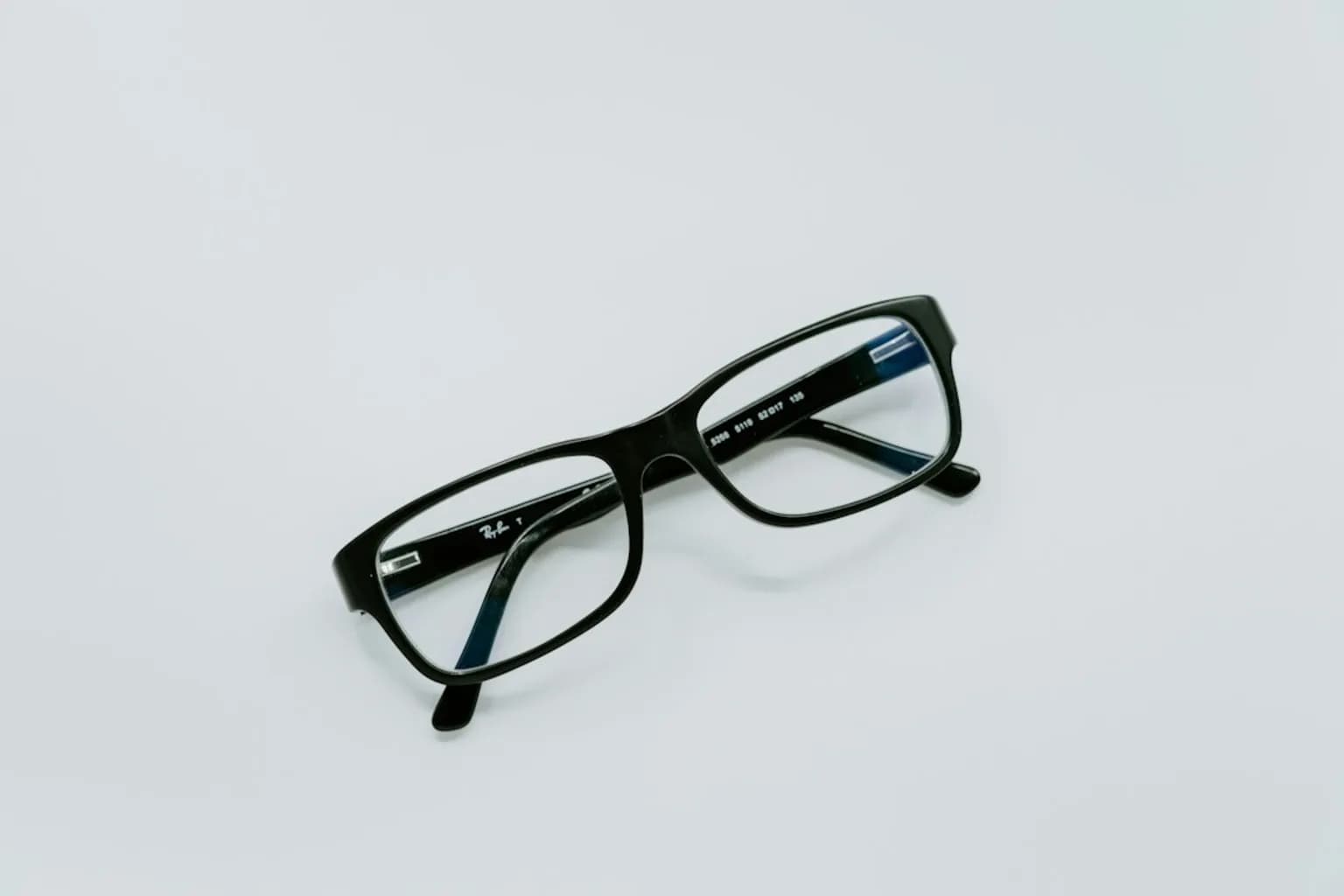
Meta’s new camera-free smart glasses are best read as an effort to retain the appeal of wearable audio and artificial intelligence while removing the feature that has made its earlier Ray-Ban devices contentious. The company is unveiling Ray-Ban Meta Audio on Thursday, offering phone calls and music playback through sound directed into the wearer’s ear, without a camera.
Meta first launched its AI-powered smart glasses with Ray-Ban in 2023. The camera-equipped models have since become the focus of privacy concerns. Reports have documented the devices being used to harass women and girls in particular, including filming without consent and sharing the footage. The glasses have acquired the labels “pervert” and “creepy” glasses.
The reaction has had practical consequences in the UK. JD Wetherspoon pubs, major theatres, Comic-Con, some schools and Faslane have each chosen to bar the camera-equipped glasses. These restrictions reflect concerns about recording in spaces where people may be unable to tell whether they are being filmed.
Ray-Ban Meta Audio removes that capability altogether. Meta says the new model will cost less than its camera-equipped versions, with a lighter frame and improved battery life. The company has not set out specific pricing or battery-life figures.
The glasses are internally known as Luna. They will contain six built-in microphones and work with Meta’s Muse AI agent. Meta is expected to officially unveil the Luna glasses at its Meta Connect event on September 23-24, and sales could potentially begin in October. The device could be offered in Clubmaster and Burbank styles.
Meta says the audio-only glasses were in development for two years and rejects the suggestion that they have been rapidly produced in response to public anger. The timing nevertheless places the product alongside efforts to address the weaknesses of the existing camera models.
Meta is also rolling out updates for those earlier devices that will disable their cameras if the LED recording light is covered or tampered with. The LED is intended to indicate when recording is taking place. It remains unclear whether that change will satisfy critics concerned about non-consensual filming, or whether venues that have imposed bans will treat the audio-only model differently.
The company has continued to promote camera-equipped glasses for other uses. Earlier this year, Meta donated 15,000 pairs to a charity for the blind in Ireland. The arrival of Luna, however, would give Meta a product whose core functions do not depend on recording people nearby.
Meta is entering a category that already has camera-free alternatives. Even Realities sells its G2 model as a privacy-conscious option with neither a camera nor speakers. Dymesty’s AI Smart Glasses have a full-titanium frame, no camera hardware, 48-hour battery life and a weight of 35 grams. These products suggest that a market for smart eyewear without cameras already exists, though the prospects for Meta’s audio-only version remain unknown.




Comments (0)