
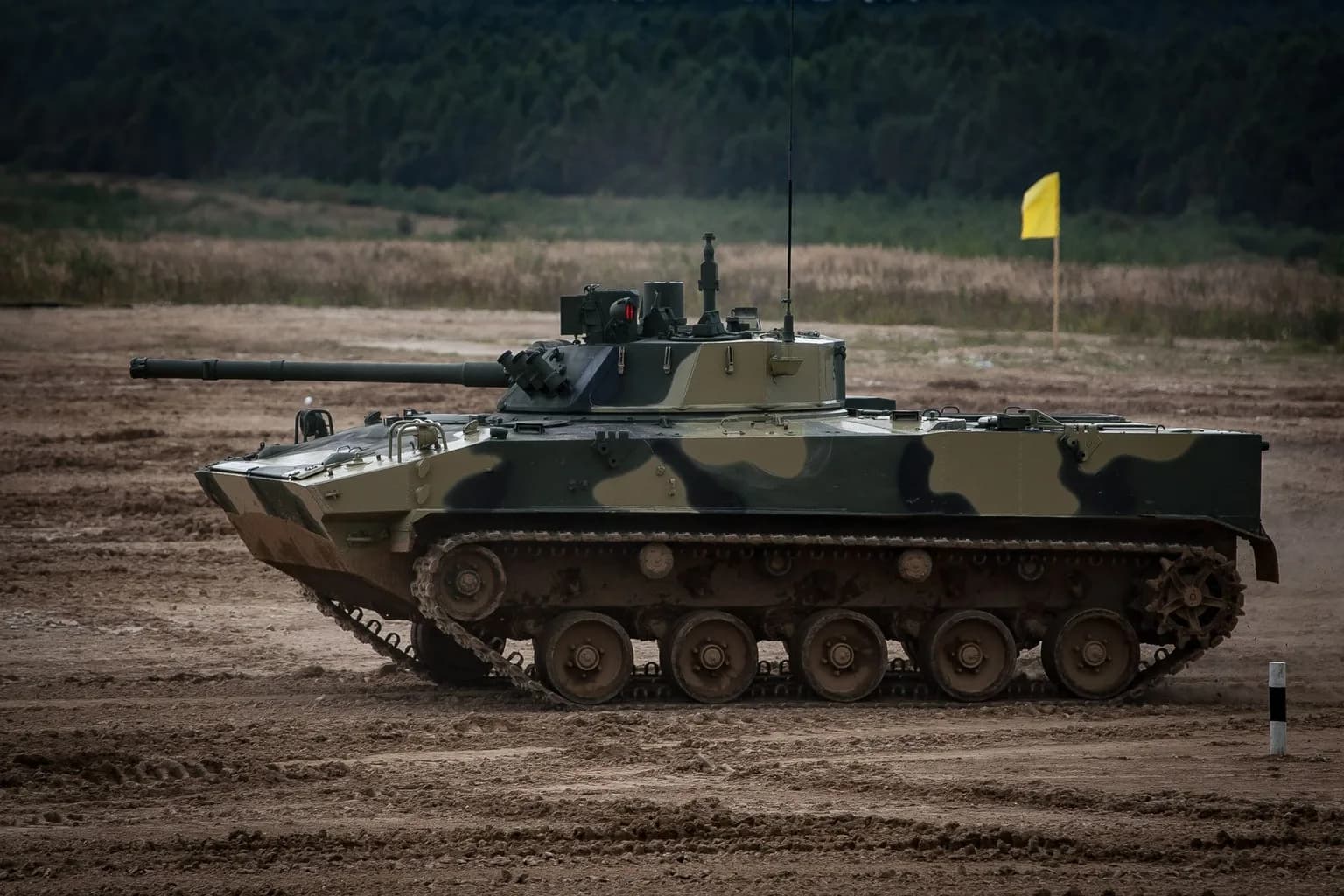
Chinese troops from the People’s Liberation Army (PLA) Central Theater Command travelled to the Chebarkul training ground by road, rail and air for Russia’s Tsentr-2026 exercise. The drills were held in Chelyabinsk Oblast from 28 September to 3 October 2026.
More than 47,000 military personnel took part in the strategic command-staff exercise, which was held across 11 training grounds and in the Caspian Sea waters. The active phase involved more than 6,000 personnel from Russia and other countries.
The PLA trained with forces from Russia, Belarus, Pakistan, Kazakhstan, Kyrgyzstan, Mongolia and Tajikistan. China took part after being invited as a member country of the Shanghai Cooperation Organisation.
The Russian Ministry of Defence said the exercise used combat lessons from the Ukraine war in a scenario focused on repelling external aggression in the Central Asian direction. Russian state media also said the drills had applied lessons from that war, while Defence Minister Andrey Belousov said preparations reflected what Russia called the “unique experience gained from its special military operation”.
Those lessons were visible in the arrangements at the training grounds. All troops were stationed underground to reduce their exposure to drone strikes. The exercise included Geran-4/5 drones, Zarya lasers and the Izdeliye 347 missile system, as well as new anti-drone and ground robot systems.
During field training, the forces rehearsed three-dimensional reconnaissance, integrated information-fire strikes, guided entry, assaults from several directions and rapid pursuit and annihilation. The programme focused on intelligence reconnaissance, command and control, fire strikes and comprehensive support.
The Chinese contingent deployed Type 99A main battle tanks alongside drones, uncrewed ground vehicles and helicopters. Its drone swarms supplied target data to ground combat groups, while tactical unmanned aerial vehicles, armed helicopters and unmanned ground combat vehicles coordinated strikes on simulated targets.
The exercise also tested the Chinese troops’ ability to undertake long-range strategic deployment, cross-border logistics support and joint operational command. Recent conflicts have exposed the vulnerability of tanks and other armoured vehicles to large numbers of drones and precision-guided weapons.
President Vladimir Putin visited the Chebarkulsky military training ground on 2 October 2026 and met foreign military attaches at the drills.
Chinese troops completed their participation after the joint training ended with a closing ceremony in Chelyabinsk on Friday. They then began withdrawing from the Chebarkul training ground by air and rail.





Comments (0)