
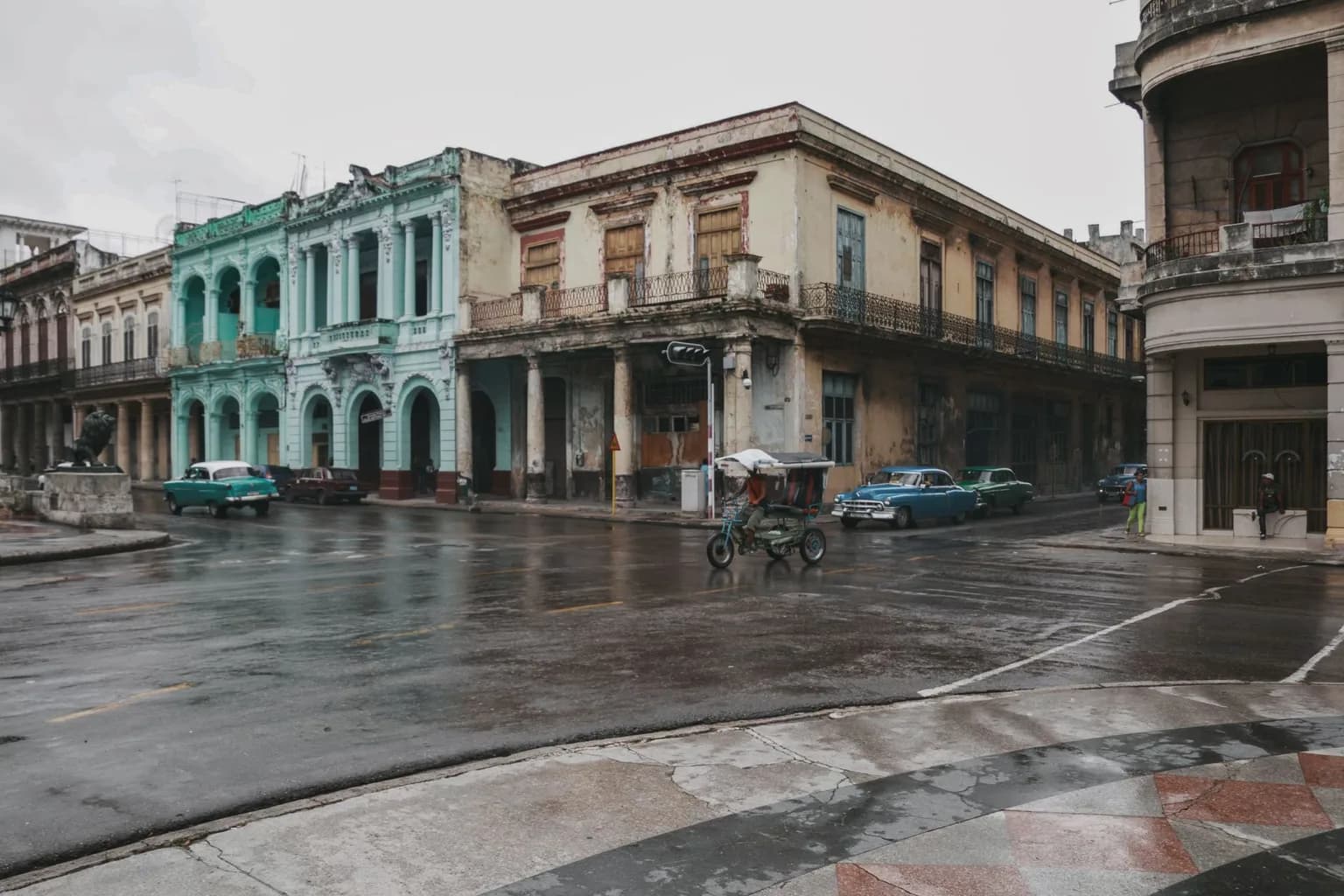
For Lidia Fernandez, a 36-year-old schoolteacher, repeated blackouts have stripped daily life back to its essentials. ‘It's one thing after another: no water, no gas for cooking, no electricity,’ she said.
Francisco Rodriguez, a 78-year-old retiree, said his home had been without power for 28 hours on Friday and that he feared outages could last days. Mercedes Rodriguez, 60, described the linked shortages of food, water and electricity as unbearable.
Cuba’s nationwide power interruptions began in February 2024 and continued into 2026. Nearly half the country was affected during February and March 2024, with 45% affected by 13 February. On 17 March 2024, outages lasted as long as 18 hours a day.
The crisis reached its worst point that year on 18 October 2024, when the Antonio Guiteras Power Plant, the island’s largest, failed. The resulting nationwide blackout lasted until 22 October 2024 and left about 10 million people without electricity. Hurricane Oscar made landfall near Baracoa on 20 October 2024, disrupting efforts to restore the grid.
Nationwide blackouts followed again in November and December 2024. Outages continued through 2025 and 2026 as shortages of fuel and spare parts persisted. Cuba’s oil-fired generating plants date from decades ago, have had scant maintenance and are now obsolete and deteriorating.
The country produces 40,000 barrels of oil daily and requires 110,000. Venezuelan shipments had supplied 32,000 to 35,000 barrels before ceasing in January following the detention of former President Nicolás Maduro.
In January 2026, the United States imposed an oil embargo and threatened tariffs against any country supplying fuel to Cuba. Cuba had received only a small oil cargo on 9 January before those threats took effect. The United States subsequently became Cuba’s principal fuel supplier after shipments from Venezuela, Mexico and Russia stopped. Between January and July 2026, Cuba imported $156.8 million in fuel from the United States.
By September 2026, Cuba had suffered 12 nationwide blackouts since late 2024. Only 5% of Havana had electricity during the September blackout. Blackouts lasting more than 30 hours have become common in Havana, while some outages in outlying provinces have run beyond 60 hours.
A 13-second video posted on Saturday showed crowds waiting for gasoline at a service station on Avenida de los Libertadores in Holguín province. Drivers have spent entire nights at service stations waiting for fuel.
At the same time, solar panel imports from the United States have risen sharply. Cuba imported $6.25 million between January and July 2026, with 75% of that year’s total arriving in July alone.
The import figures point to an energy trade shaped by two opposing pressures. Cuba’s fuel-dependent electricity system remains short of the oil it needs, while solar technology is entering the island in far greater volumes than before. The available data do not show where the panels will be used, how much power they can produce or when they might enter service.
An independent study released in September 2026 estimated that 66% of the population lived in poverty, up from 45% in mid-2025. For households such as Fernandez’s, the question remains immediate: whether electricity, water and cooking fuel will be available when they are needed.





Comments (0)