
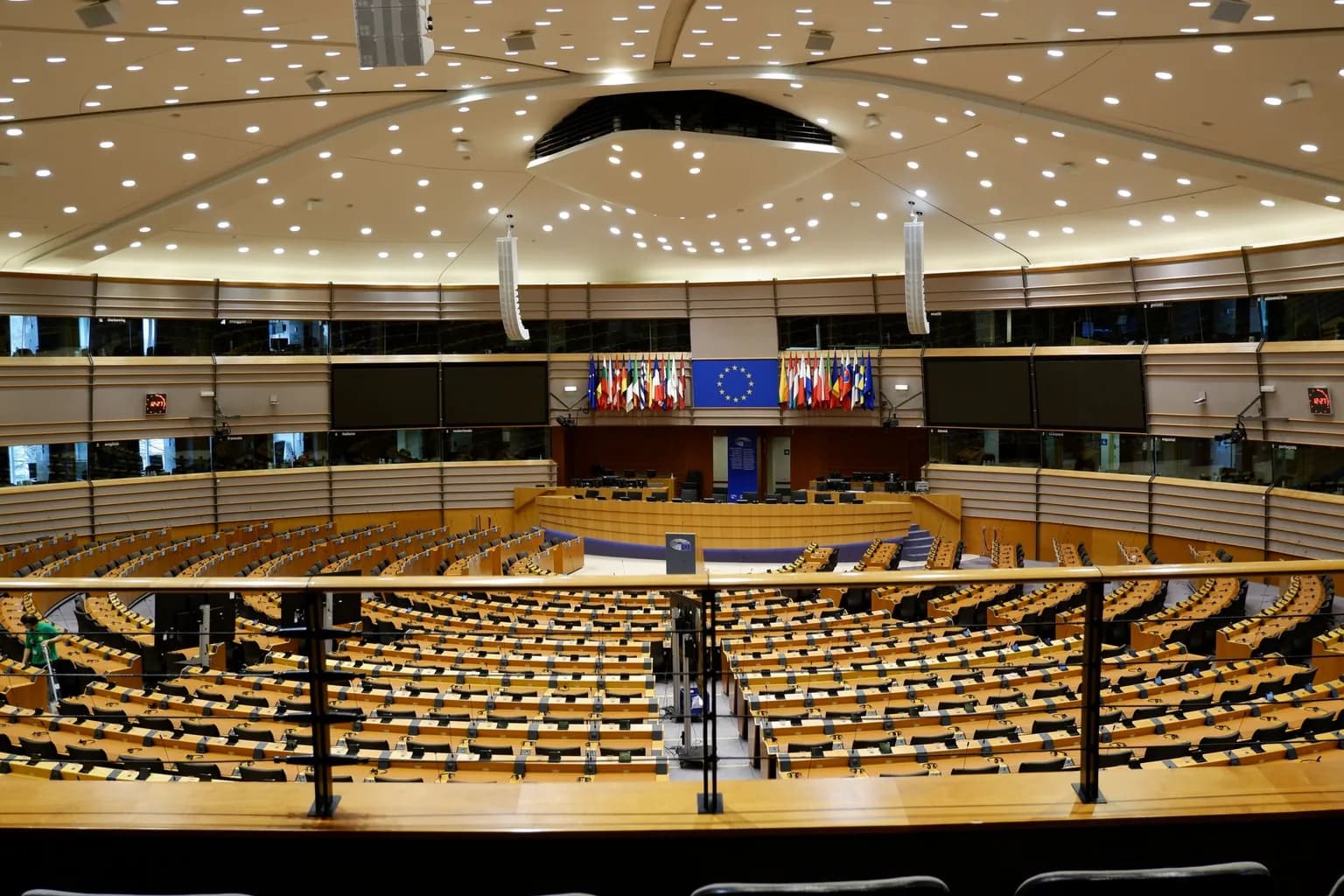
Osman Saleh, Eritrea’s foreign minister, rejected Ethiopia’s accusations in a letter on Saturday as his government formally asked the UN Security Council to intervene in the conflict in Tigray. Eritrea invoked Chapter VII of the UN Charter, which allows measures ranging from sanctions to military action.
The request follows Ethiopia’s assertion of a right to act alone. On Friday, Ethiopian Foreign Minister Gedion Timothewos cited Article 51 of the UN Charter, saying Ethiopia was exercising self-defence measures against Eritrea.
Ethiopia has accused Eritrea of deploying infantry and mechanised units in recent weeks, and of supporting, financing, arming and directing insurgent groups.
Saleh rejected those allegations and warned that Ethiopia’s actions could cause ‘huge devastation to the peoples of both countries and destabilize the region’.
The dispute has reopened a relationship shaped by recent conflict. Ethiopia and Eritrea were allies during a bloody 2020-2022 border war, when they joined forces against TPLF rebels.
A 2022 peace agreement was reached. Last month, Tigrayan rebel groups said they had joined forces to oust Ethiopian Prime Minister Abiy Ahmed. Recent fighting then broke the 2022 agreement.
Ethiopian troops have driven back TPLF militants and taken control of large parts of Tigray, including Mekelle, the capital.
Abiy has also repeated Ethiopia’s need for access to the Red Sea. He made the demand again on Monday, while Eritrea regards it as a dire concern.
Eritrea’s appeal places the dispute before the Security Council, while Ethiopia maintains that its actions are justified as self-defence. Whether the council will act on Eritrea’s request remains unclear.




Comments (0)