
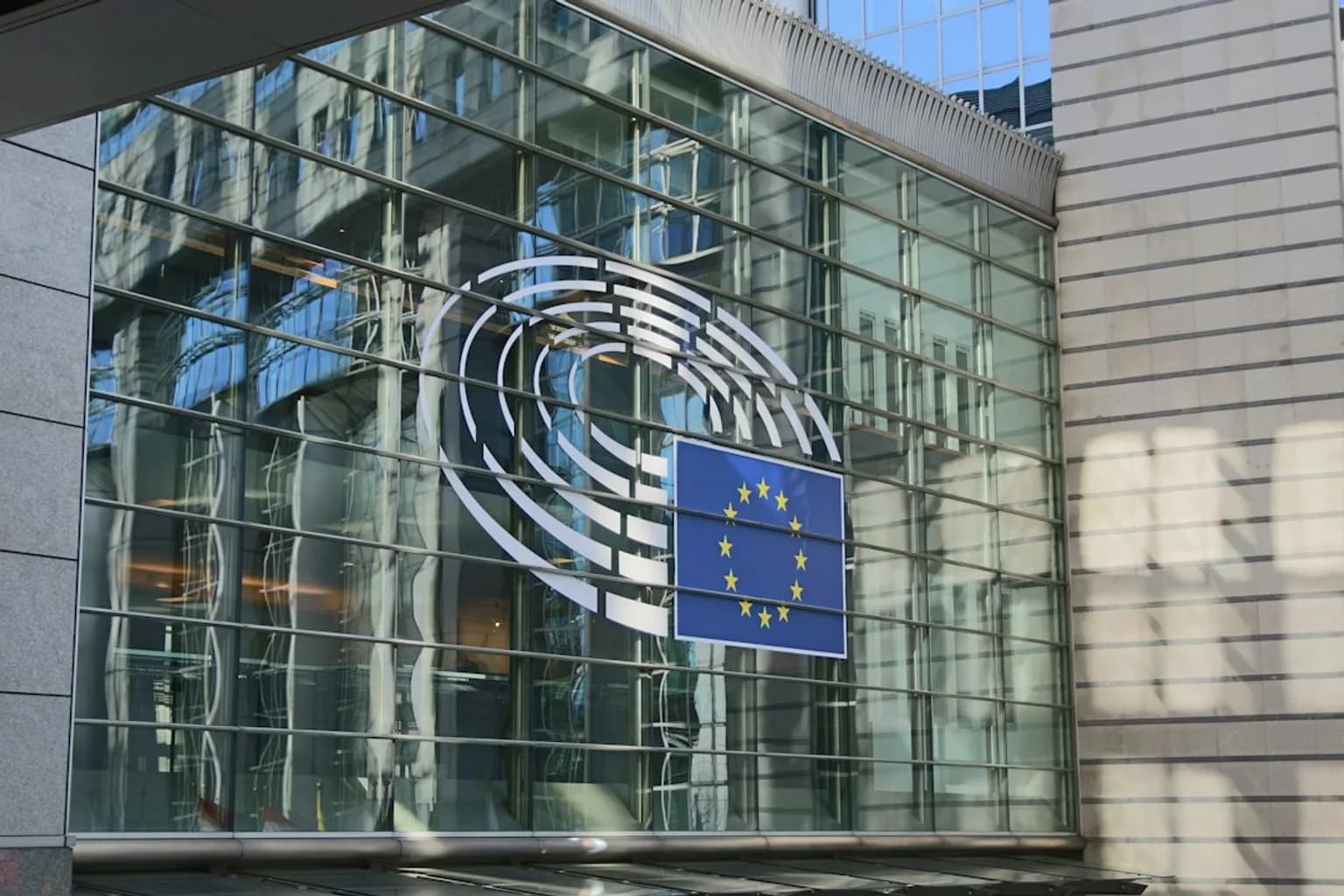
Ursula von der Leyen set out a proposed Emergency Security Protocol in her State of the Union address earlier in September, presenting it as a complement to NATO’s Article 4 consultation process. The plan would give European Union members a way to discuss a common response when they face crises short of armed aggression.
On Monday, EU defence ministers gathered in Brussels to examine the proposal as intelligence pointed to preparations for further Russian sabotage and attacks against European democracies.
The Commission’s plan would allow one member state to call consultations among all 27 governments after sabotage, cyberattacks, arson, drone incursions or other hostile operations threatening national security without amounting to an armed attack.
It is intended for incidents that can imperil national security while falling below the threshold for NATO’s Article 5 mutual-defence clause. European countries have attributed cyberattacks, an attempted armed drone attack on Leipzig/Halle airport, a railway explosion in Poland and fires at industrial facilities to Moscow.
Kaja Kallas, the EU’s High Representative for Foreign Affairs and Security Policy, said intelligence available to European authorities indicated Russia was preparing operations designed to divide European societies and weaken support for Ukraine. She said European states needed the capacity to act before such operations took place.
Andrius Kubilius, the EU defence commissioner, argued that deterrence required a response equal to the threat. “Very simply, if we are facing painful hybrid threats or actions, our answer should be painful in a similar way,” he said. “Russia needs to know that there will be answers, and they can be painful.”
Helen McEntee, the Irish foreign minister, said: “We need to be able to not just respond when incidents happen, but also pre-empt possible escalations -- work with member states, work with each other, to make sure that we have a strong response in place should something happen.”
Antti Hakkanen, the Finnish defence minister, said national governments had their own responsibilities, while the EU and NATO needed stronger coordination. “Each country has to do their own measures to counter hybrid measures, but the European Union and NATO also have to do much more bigger measures, stronger coordination to counter these hybrid actions.”
Several European diplomats, however, said the protocol’s purpose remained unclear. They warned that a parallel EU procedure could complicate decisions and slow the response.
One diplomat put the objection more bluntly: “I'm not sure that anyone thinks the way to fight back against the Russians is to hold more meetings”.
Some European capitals consider NATO’s existing arrangements sufficient for a significant share of possible security scenarios. Mark Rutte, NATO’s secretary-general, said this week that the alliance had response options for hybrid threats, though some could not be discussed publicly.
NATO has expanded its operational response through Baltic Sentry after damage to undersea cables in 2023 and 2024. Eastern Sentry began after a drone incursion into Poland. Denmark’s intelligence service has also warned that Russia could mount a limited military attack against a NATO member within months.
EU officials say Brussels already has tools it can bring to bear after a hybrid incident, including expert teams to advise countries on strengthening security and increased funding. Once there is political agreement, a high-ranking EU official said, the Commission may propose a defined package including rapid-response teams and financial assistance for the affected country.
The protocol has yet to be adopted. It is being developed within a new European security strategy being prepared by the Commission and the EU’s diplomatic service, with officials hoping to publish more detailed proposals in a strategy document in October.




Comments (0)