
European Union foreign ministers formally adopted the bloc’s largest single expansion of sanctions against Russia since the 2022 invasion of Ukraine when they met in Luxembourg on 12 October.
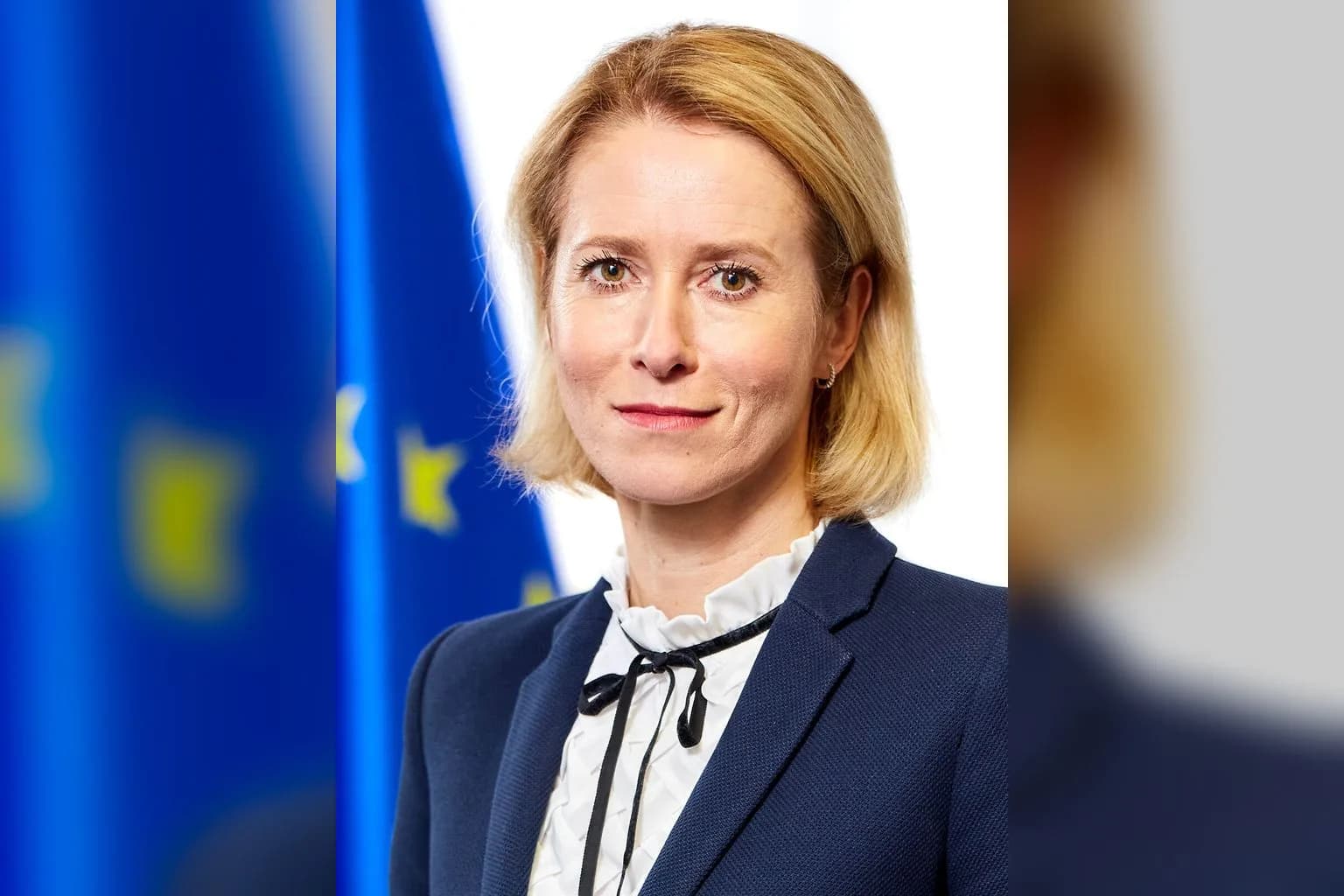
Kaja Kallas, the EU’s foreign policy chief, called it “the single largest expansion of our sanctions list since Russia started its war.” The package adds 743 people and 826 companies linked to Russia’s military-industrial complex.
More than half of the military-industrial entries are tied to ballistic missile production, Kallas said. She said: “We are making it significantly harder, slower and more expensive for Russia to produce the weapons it uses to kill Ukrainians.”
The list reaches across Russia’s defence sector, covering shipyards, aviation companies, electronics manufacturers, armoured vehicle repair facilities and aerospace companies. A significant share consists of executives from businesses linked to Russia’s submarine fleet, including the heads of Sevmash, the Rubin Central Design Bureau for Marine Engineering, Malachite, Admiralty Shipyards and the Zvezdochka Ship Repair Center.
The European Union’s external action service presented the proposed package on 16 September, covering 1,576 individuals and entities. On 22 September, Russian oligarchs Alisher Usmanov and Mikhail Fridman were removed from the sanctions list.
EU ambassadors then unanimously approved nearly 1,600 sanctions against Russia’s military-industrial complex on 7 October. The final package contains 743 individuals and 826 companies, after the initial proposal had included 744 individuals and 827 entities.
The broader package targets some 1,600 individuals and businesses connected with Russia’s war effort, alongside another 77 people and groups tied to what the EU considers illegal elections in occupied Ukrainian territories. The EU’s total list of people and entities sanctioned over Russia’s war on Ukraine now stands at roughly 3,000.
The restrictions freeze sanctioned people’s and companies’ assets in the EU, prohibit the provision of funds or economic resources to them, and bar listed individuals from entering or travelling through the bloc.
German Foreign Minister Johann Wadephul described the measures as an “unprecedented sanction blow” to President Vladimir Putin’s war in Ukraine. He said: “We are making it harder for Putin to continue his war of aggression in violation of international law, and his cynical attempt to wear down Ukraine’s civilian population through murderous bombing campaigns.”
Polish Prime Minister Donald Tusk said: “This is the moment when the entire West...should show Russia and Putin that it is ready to pursue a policy of containing Russia by even more decisive means.”
The EU intends to shift after this package towards smaller sanctions lists adopted on a rolling basis, rather than bringing large batches together for a single approval.



Comments (0)