
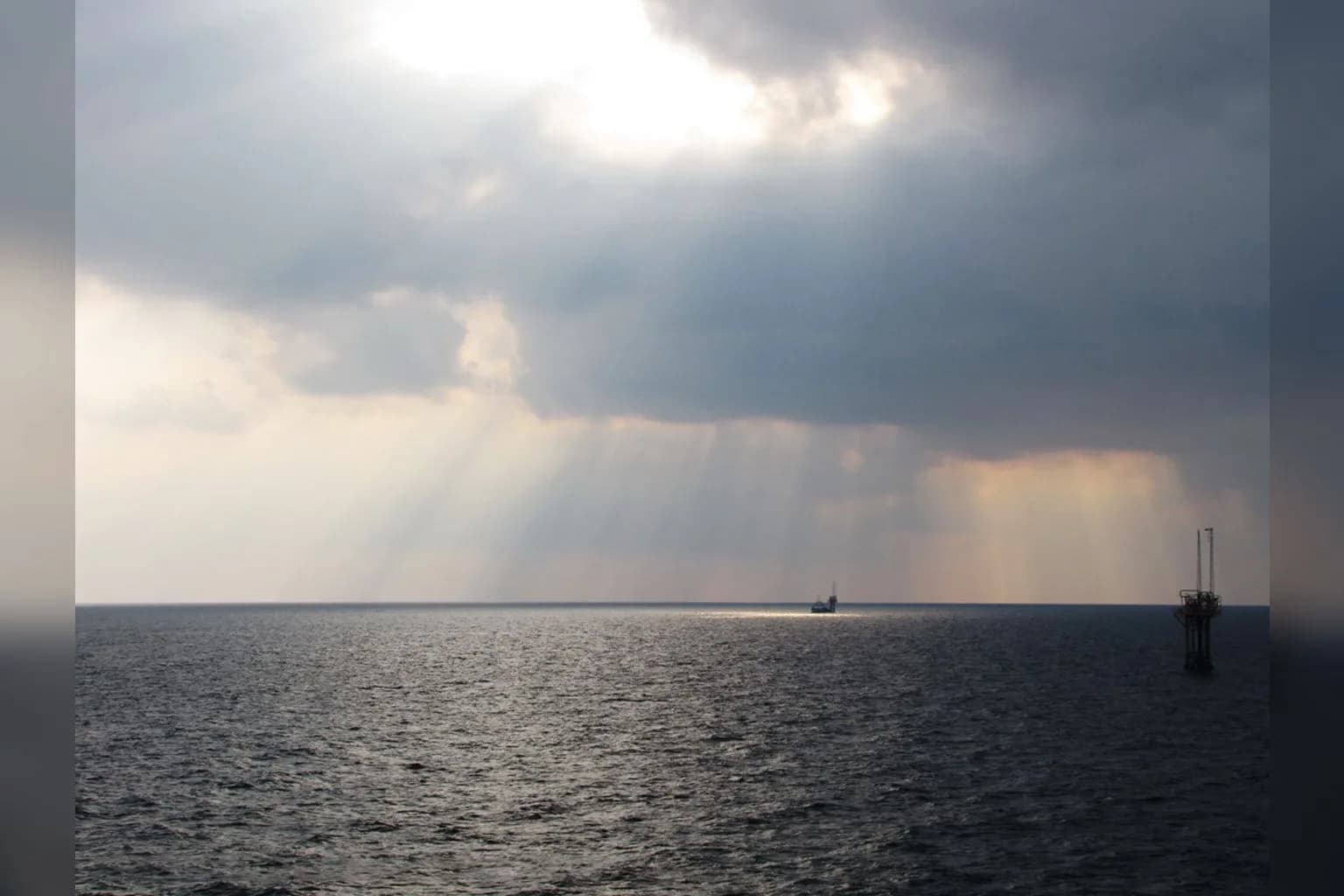
An inbound tanker about 11 nautical miles north of Khasab, Oman, said Iran's Islamic Revolutionary Guard Corps had ordered it to turn around or risk being targeted. The encounter took place in the Strait of Hormuz, between Oman and Iran's Musandam peninsula, a waterway used by a fifth of global oil and gas shipments.
UK Maritime Trade Operations said on Monday that it had recorded five separate incidents involving commercial shipping in or near the strait. Four involved tanker attacks, while the fifth was the Revolutionary Guards' threat to the inbound vessel.
The most recent alert, designated UKMTO 156-26, concerned a tanker whose master said an unknown projectile struck the vessel at 1637 UTC on Monday while it was transiting the strait. A fire then broke out in the engine room, and the crew were fighting it when the warning was issued.
Three of the four attack notices were delayed reports of incidents on 3 October and 4 October. An inbound liquefied petroleum gas tanker was hit by an unknown projectile at 1716 UTC on 4 October. A crude oil tanker was struck at 1907 UTC the same day, less than two hours later. Another crude oil tanker was hit above the waterline by an unknown projectile on 3 October.
The reports describe several forms of damage. One tanker said a drone passed into its funnel before falling into the engine room, causing a small fire and a temporary loss of power. Another was struck on its port quarter, lost power briefly and proceeded towards Fujairah with tug assistance. A third lost propulsion after a projectile strike.
The UK-flagged tanker La Stephanie was hit by a drone while sailing towards the Gulf, leaving two crew members with minor injuries. Two sailors are missing and 23 others have been rescued after an attack on the Panama-flagged tanker El Gaia. Its engine room caught fire after the attack, and the vessel was being towed to an Omani port.
The incidents have unfolded during a war that has made passage through the strait effectively impossible. Since the start of the US and Israel's war with Iran at the end of February, Iranian missile and drone attacks on commercial vessels and a US naval blockade of Iranian ports have effectively closed it.
A preliminary agreement reached in June to end the war and reopen the strait fell apart within weeks when Iranian attacks on shipping resumed. The US reimposed its naval blockade of Iranian ports on 14 July.
Before the war, about 125 large commercial vessels typically used the strait each day. Seventeen commodity vessels crossed over the weekend, compared with 37 a week earlier.
US Central Command said US forces redirected the 130th commercial vessel on October 5 while enforcing restrictions on ships trying to enter or depart Iranian ports. Adm. Brad Cooper, the commander of Central Command, said: “The U.S. military remains intensely focused on this mission. We will swiftly act against any vessels trying to run the blockade.”
Capt Tim Hawkins, a US military spokesman, said Iranian small boats had tried to take possession of a US unmanned surface vessel. He said Central Command's response prevented them from doing so. Treasury Secretary Scott Bessent said Iranian airlines would effectively be excluded from international operations from September 23 through sanctions threatened against airports and companies. “If they land, you cannot provide them with fuel, you cannot provide them with landing services, you cannot sell them tickets, or you will be knocked out of the dollar system,” he told CNBC.
President Masoud Pezeshkian said on Monday that negotiations with the United States had become meaningless because Washington had repeatedly attacked Iran after talks. He accused the US of using diplomacy to conceal pressure and military action. Revolutionary Guards spokesman Hossein Mohebbi said: “If a new aggression occurs, we will certainly change the weaponry and the geography of the war.” He added: “We will introduce new weapons with new capabilities into the battlefield, and the world will be astonished.”
The International Maritime Organization says at least 22 seafarers have been killed in 79 confirmed incidents in the Strait of Hormuz and the rest of the Middle East since the war began at the end of February.


Comments (0)