
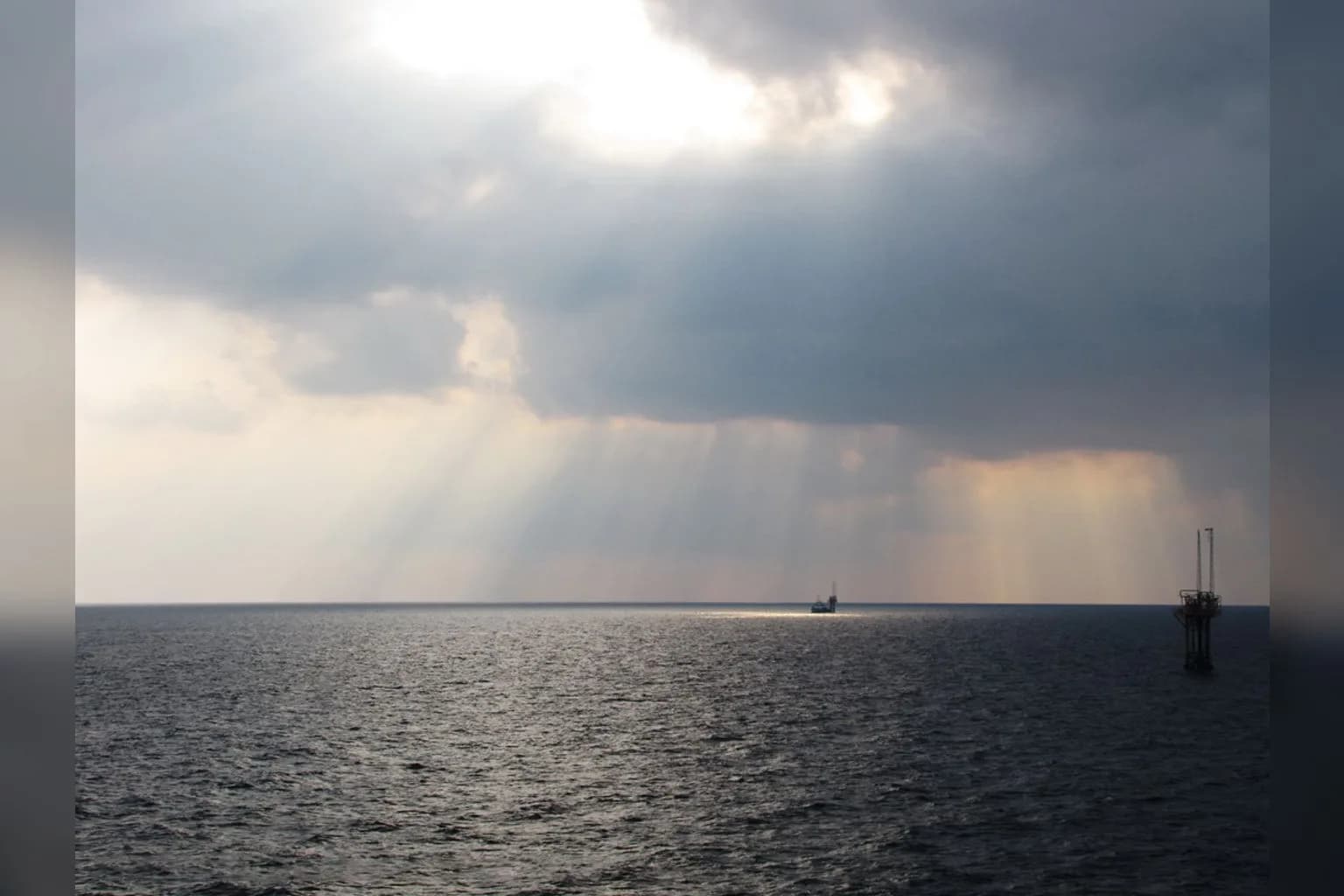
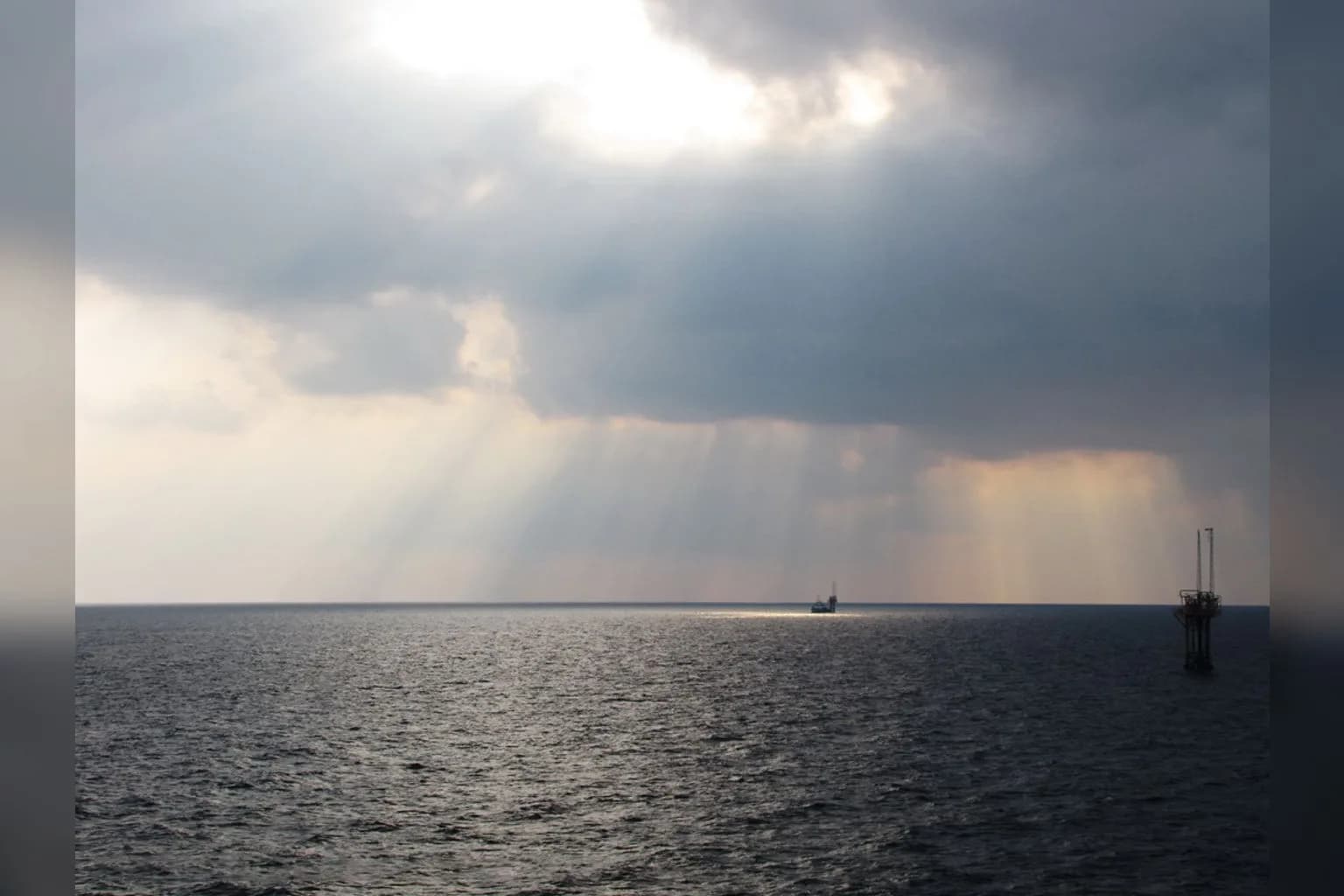
Two sailors are missing after an unknown projectile struck the Panama-flagged tanker El Gaia on Sunday, 1.3 nautical miles north of the Musandam peninsula in the Strait of Hormuz. The strike damaged the engine room and sparked a fire there. Twenty-three sailors were rescued, while the crew were reported safe and no environmental impact was recorded.
It was the fifth attack on tankers in the waterway in recent days. The incident comes amid a war that began with a campaign of heavy US and Israeli bombardment against Iran in late February.
The Strait of Hormuz has effectively been closed by Iranian missile and drone attacks on commercial vessels and a US naval blockade of Iranian ports. A fifth of global oil and gas shipments usually pass through it.
Abbas Araghchi, Iran's foreign minister, said on Sunday: 'There is no military solution, nor any solution based on new sanctions'. He said that 'only negotiations based on justice and fairness' could end the conflict.
Araghchi also warned: 'If our enemies again choose the path of military confrontation, our response will be stronger than before, and we will defend ourselves with even more force.'
Iran responded to the opening bombardment by seeking to control the strait, striking ships that attempted to pass without its authorisation. The US imposed a counterblockade of Iranian ports.
In June, the two sides agreed a memorandum of understanding setting out a framework for a permanent resolution. It collapsed within weeks after Iranian attacks on vessels in the Hormuz prompted a return to US military operations. Washington later scaled back military operations in favour of sanctions and its counterblockade.
As of Sunday, the US blockade had redirected 92 commercial ships and disabled three. Chris Wright, the US energy secretary, said that on average, 9 million barrels of oil a day are getting through the strait.
Iranian and US officials held indirect talks on the sidelines of the UN General Assembly last week. Tehran presented seven conditions for reopening the strait, including a ceasefire across the Middle East, the unfreezing of Iranian assets abroad, the lifting of sanctions on its oil sector and an end to the US naval blockade.
Esmaeil Baqaei, an Iranian foreign ministry spokesman, said on Sunday that Iran was 'focusing on the issue of the Strait of Hormuz'. He said reopening it required 'an end to the disruptions to Iranian commercial maritime traffic and the lifting of sanctions.'
Mohsen Rezaei, head of Iran's Supreme National Security Council, said Tehran planned to declare an 'exclusion zone' outside the strait. It would extend from the line of the US naval blockade towards the strait and into the Persian Gulf, and any identified ship would be placed on Iran's sanctions list.
At least 22 seafarers have been killed in 79 confirmed incidents in the Strait of Hormuz and elsewhere in the Middle East since the war began at the end of February, according to the International Maritime Organization.
Comments (0)