
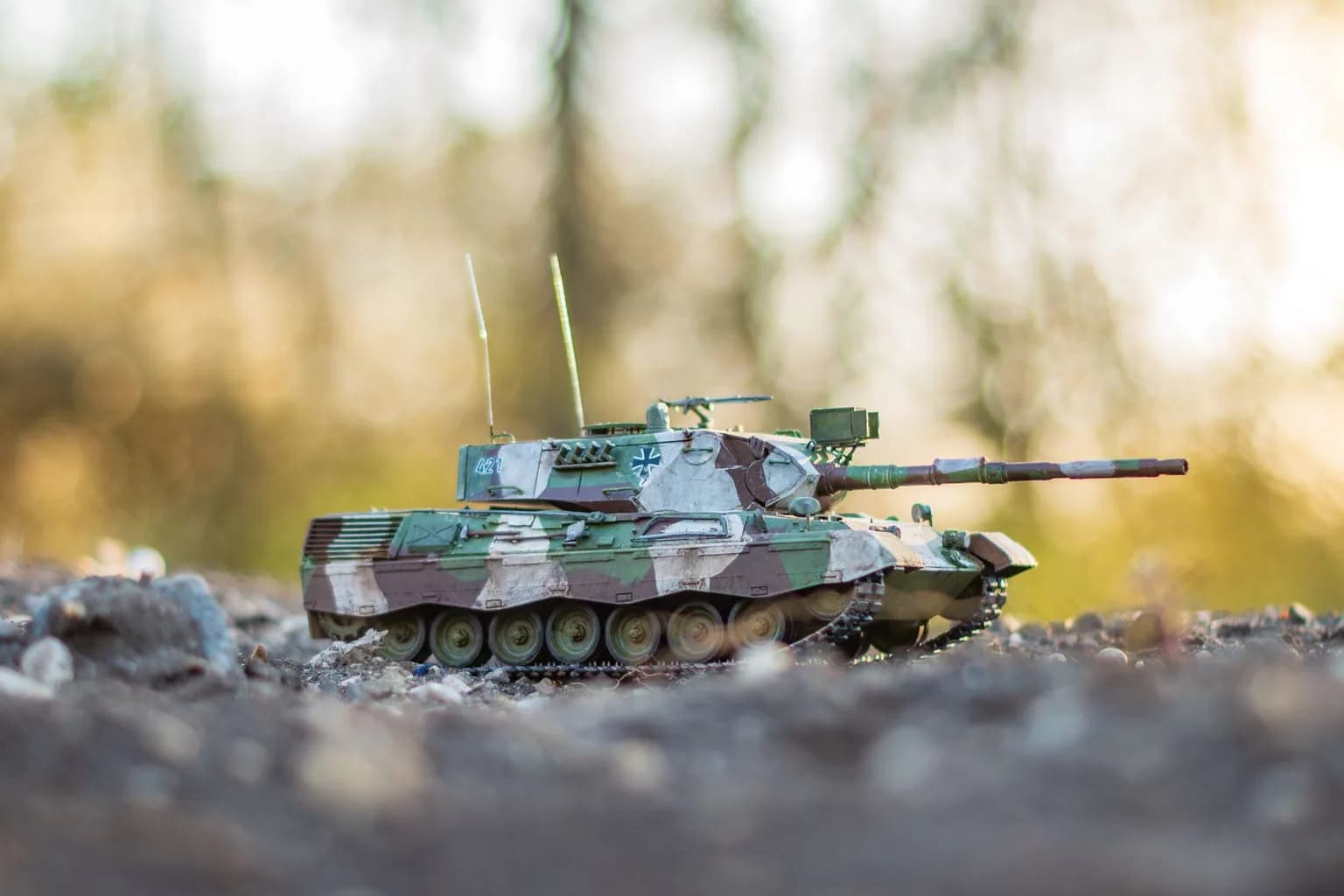
General Fabien Mandon, Chief of the General Staff of the French Armed Forces, told a hearing at the National Assembly on 8 October 2026 that “the Germans decided to leave the MGCS project”.
The statement was among the first public acknowledgments by a French official of the difficulties facing the Main Ground Combat System, or MGCS, a joint French-German future combat tank programme. It brought months of speculation over the project’s fate to an end.
Mandon accepted the industrial cost of the decision. “This is not good news at the industrial level,” he said, while maintaining that “this is not a complete failure, it is an important German choice” and that the work already done had not been wasted.
He was less hopeful about the broader result. “The outcome is not encouraging. We had hoped to create the tank of the future in cooperation with the Germans, but, unfortunately, we must acknowledge that the Germans have withdrawn from the project,” Mandon said.
The project began in 2017, when Emmanuel Macron and Angela Merkel launched it alongside the SCAF programme. The proposed tank was intended to replace France’s Leclerc tanks and Germany’s Leopard 2 tanks by the 2040–2045 horizon.
Germany directed the programme, with the two countries financing it in equal parts.
Its industrial structure soon came under pressure. Rheinmetall joined in 2019, upsetting the original balance centred on KNDS, made up of Nexter and Krauss-Maffei Wegmann.
The partners agreed in 2024 to divide work equally across eight technological pillars. Delays nevertheless mounted, alongside disputes over funding and technical decisions. The programme also faced years of labour disputes and political tensions.
The collapse of the SCAF programme in June 2026 added to the strain. Afterwards, Rheinmetall chief executive Armin Papperger publicly raised the prospect that France might leave and said Paris was considering cutting its contribution to less than half of the initial budget.
In July 2026, a Franco-German ministerial council narrowed the MGCS effort to “platform-independent technologies”. The decision effectively set aside the idea of a shared chassis.
France’s Leclerc tanks are due to begin being progressively withdrawn from 2038. Germany’s departure comes four months after the SCAF was abandoned, marking a second symbolic failure for the Franco-German partnership in armaments.





Comments (0)