
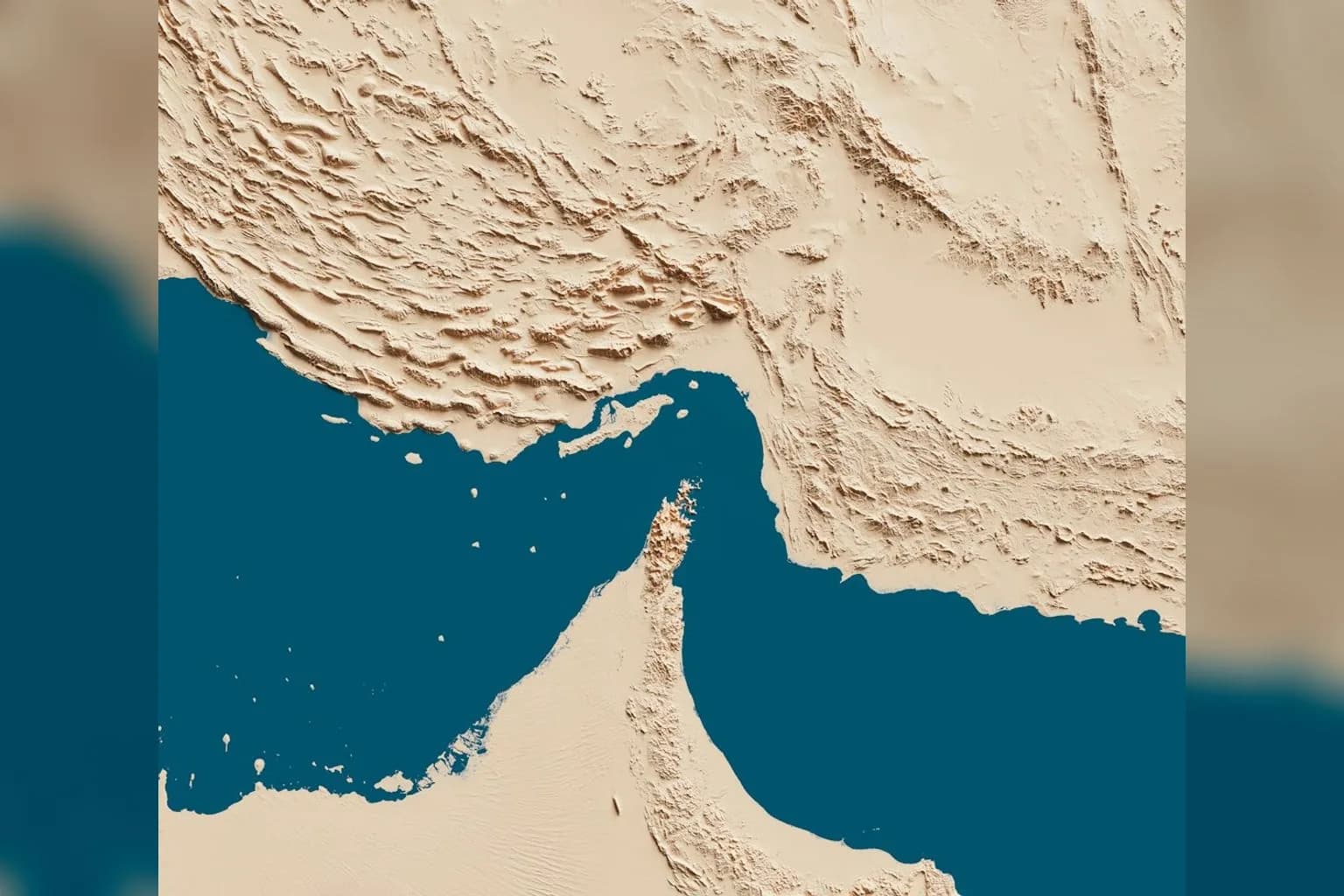
The Singapore Prosperity carried an estimated two million barrels of crude oil through the Strait of Hormuz last month. It then vanished from tracking for two days before reappearing near Fujairah, on the other side of the strait.
Its passage illustrates the mechanics of a clandestine oil trade operating in a waterway only 21 miles wide at its narrowest point. Several Gulf states have begun a covert operation using dark fleets to evade the Iranian regime, and an effort to loosen Iran’s hold over the strait began around early May.
Smaller shuttle boats make the hazardous crossing, while larger supertankers are judged too exposed. Once beyond the danger zone, the boats move their cargo to a larger vessel for the final stretch of its journey.
The system depends on becoming harder to see. Vessels turn off their automatic identification systems as they pass through the waterway, while shuttle boats generally travel in darkness, though some have stopped doing so.
Other tankers switch off their automatic identification systems, known as AIS, broadcast false locations or transfer cargo to another tanker at sea to hide where the oil came from.
The International Maritime Organisation defines a “shadow fleet” as vessels involved in illegal operations intended to get around sanctions or avoid safety, environmental and insurance rules.
Iran has lived under some form of US economic sanctions for nearly five decades. Since February 2025, its sanctions-evasion network has faced its most intensive and sustained pressure since the 2015 nuclear deal.
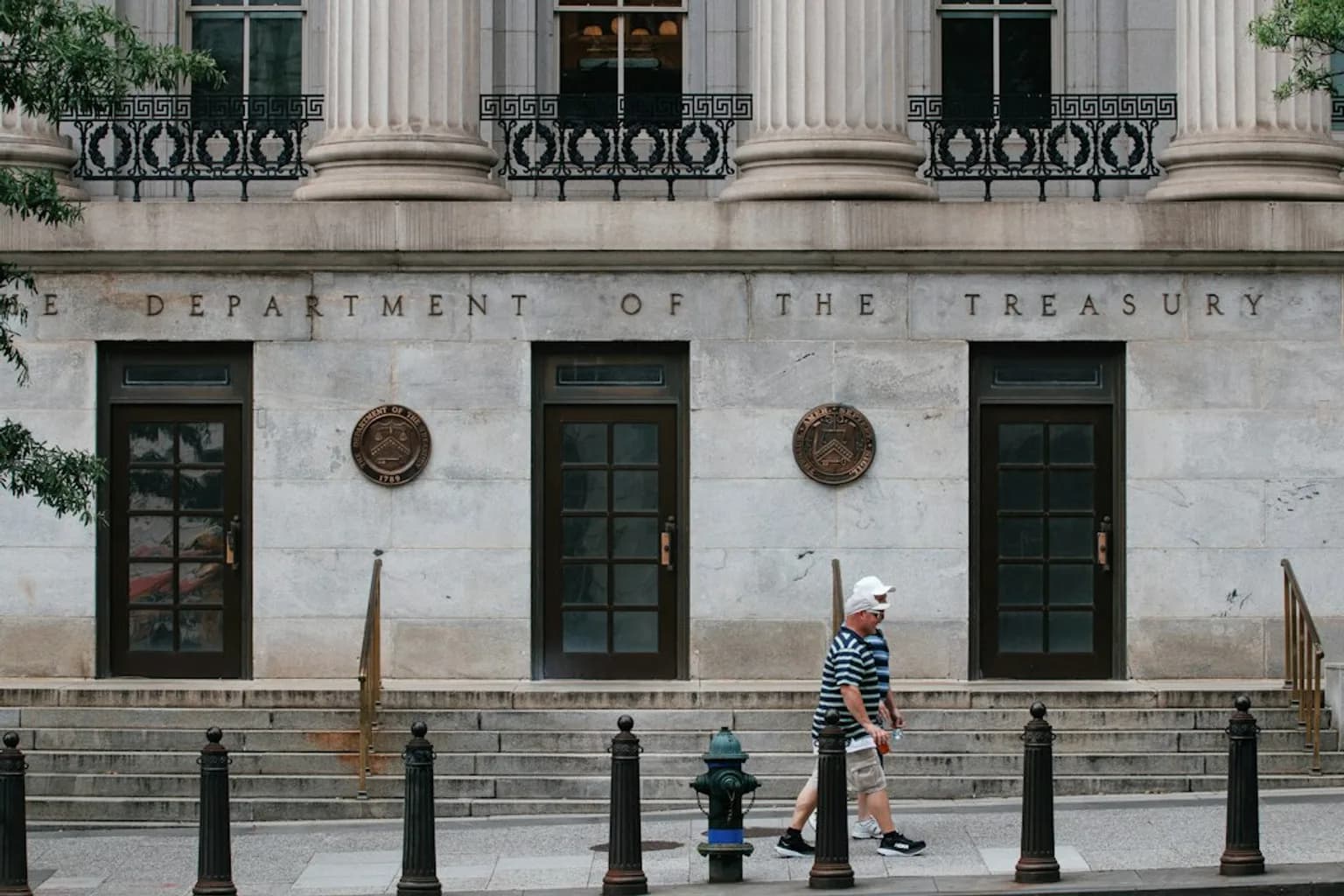
President Trump issued National Security Presidential Memorandum 2, or NSPM-2, on February 4, 2025, ordering a renewed maximum-pressure campaign against Iran. The Treasury’s work to carry it out has been publicly called Operation Economic Fury, which has targeted sanctions-evasion networks.
Since the beginning of 2026, the US Treasury has sanctioned more than 100 vessels connected to Iran’s “shadow fleet”. The National Iranian Tanker Company operates 53 vessels with a combined capacity of almost 13 million deadweight tonnes.
The war against Iran began on 28 February 2026. US Central Command said it destroyed eight Iran-linked tankers in two rounds of strikes on 5 and 8 September, near Kharg Island and Jask and in the Gulf of Oman.
Tankers that once served as tools for getting around sanctions have become direct targets in the war.




Comments (0)