
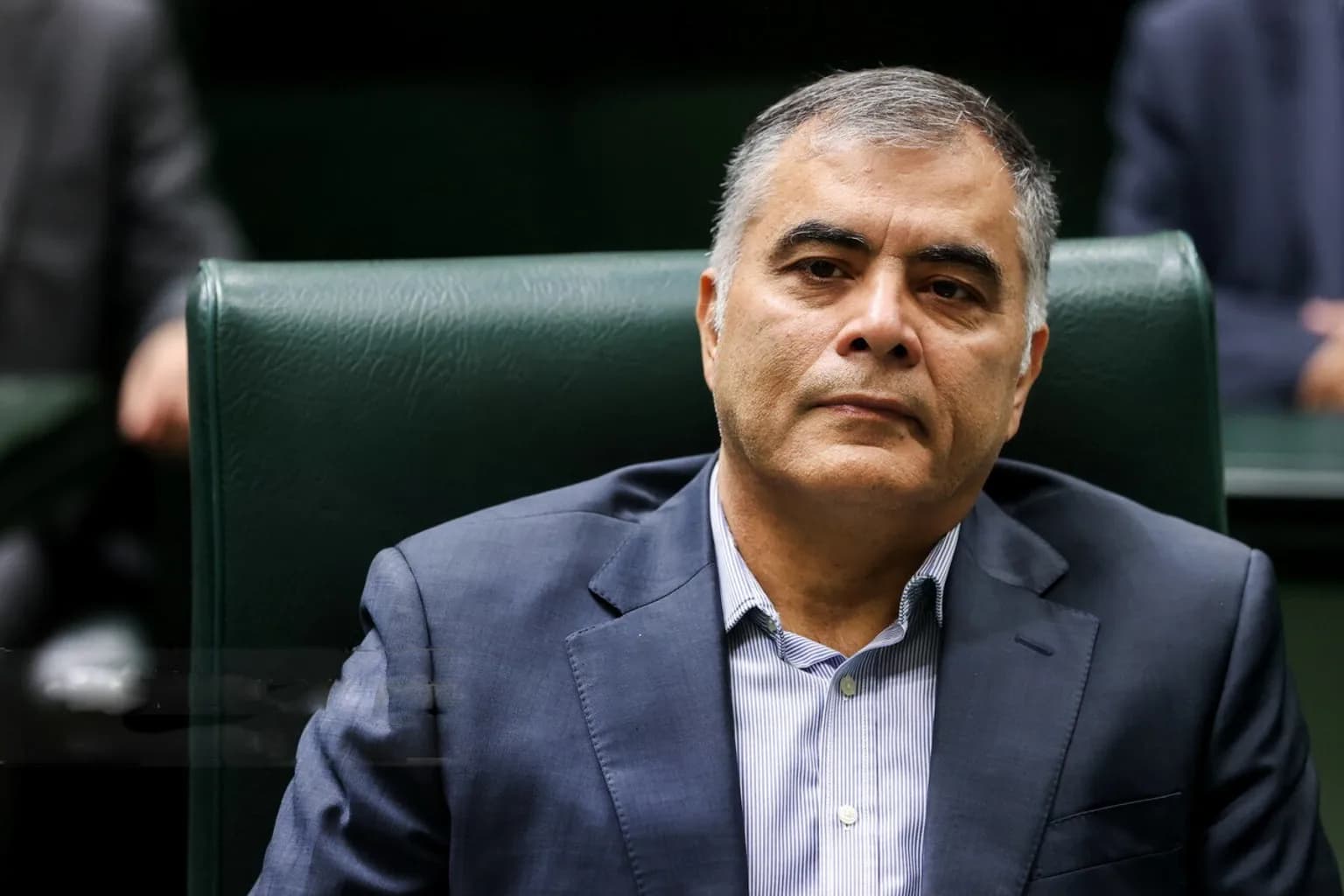
Mohsen Paknejad, Iran’s oil minister since August 2024, resigned after serving through a seven-month war with the US that has placed the country’s economy under pressure. State media reported his departure on Sunday.
Mehdi Tabatabaei, communications deputy in the president’s office, said Paknejad had offered his resignation for personal reasons “a long time ago”. President Masoud Pezeshkian initially rejected the request and asked him to stay, before accepting it at Paknejad’s insistence. Pezeshkian praised the minister’s “efforts and sincere service”.
Hamid Bovard, chief executive of the government-owned National Iranian Oil Company, was appointed acting oil minister. He takes charge as US efforts to stop Tehran exporting crude have intensified.
The change comes at a difficult point for an OPEC member country whose ability to sell oil is a crucial source of government revenue. Washington has made cutting Iran’s oil revenues central to its economic campaign, and has said sanctions and the naval blockade are intended to curb Tehran’s crude sales and access to foreign currency.
Iran’s oil exports have faced intense pressure from tightened US sanctions and the blockade. Earlier in the conflict, fuel shortages and queues were reported at petrol stations in Tehran and other Iranian cities as the pressure disrupted the economy.
Before resigning, Paknejad sought to project continuity in oil income. “revenues of the oil that we have sold are still coming and that will continue God willing,” he said.
Officials have given personal reasons for his departure. It remains unclear whether the economic pressure of the war and blockade played any direct part in Paknejad’s decision, or whether Bovard’s appointment signals a change in policy.
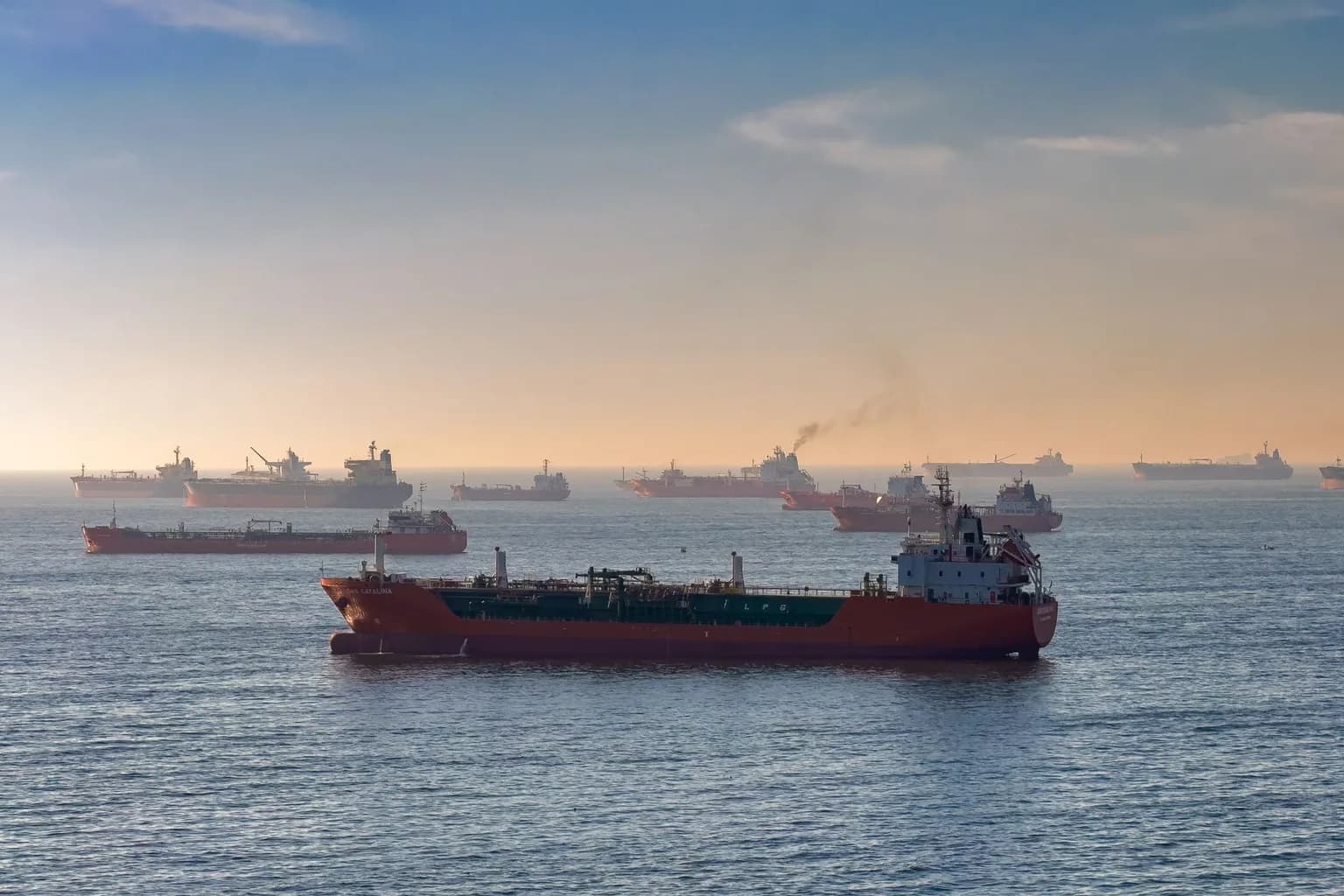
The oil dispute is tied to the Strait of Hormuz, which has become a major focal point of the conflict in the Middle East. Before the latest hostilities, about a fifth of global oil and liquefied natural gas shipments passed through the strait.
Iran has restricted commercial vessel traffic and fired on ships it said were making unauthorised crossings. Washington has responded with a counterblockade directed at Iranian ports and oil exports.
Iran has demanded that the US lift sanctions on its oil sales and end the blockade as part of talks over reopening the strait. Tehran says it will keep the passage closed until seven Iranian conditions set out in a June interim agreement with the United States have been met.
Mohammad Baqer Qalibaf, Iran’s parliament speaker, said on Sunday that “the period of dragging out the process and dictating one-sided demands is over”.
Foreign Minister Abbas Araqchi said a plan put forward by Tehran could reopen the Strait of Hormuz within seven days if it were accepted. He also warned that if the US chose military action again, “we are more prepared than before and will take whatever action is necessary to defend ourselves”.




Comments (0)