
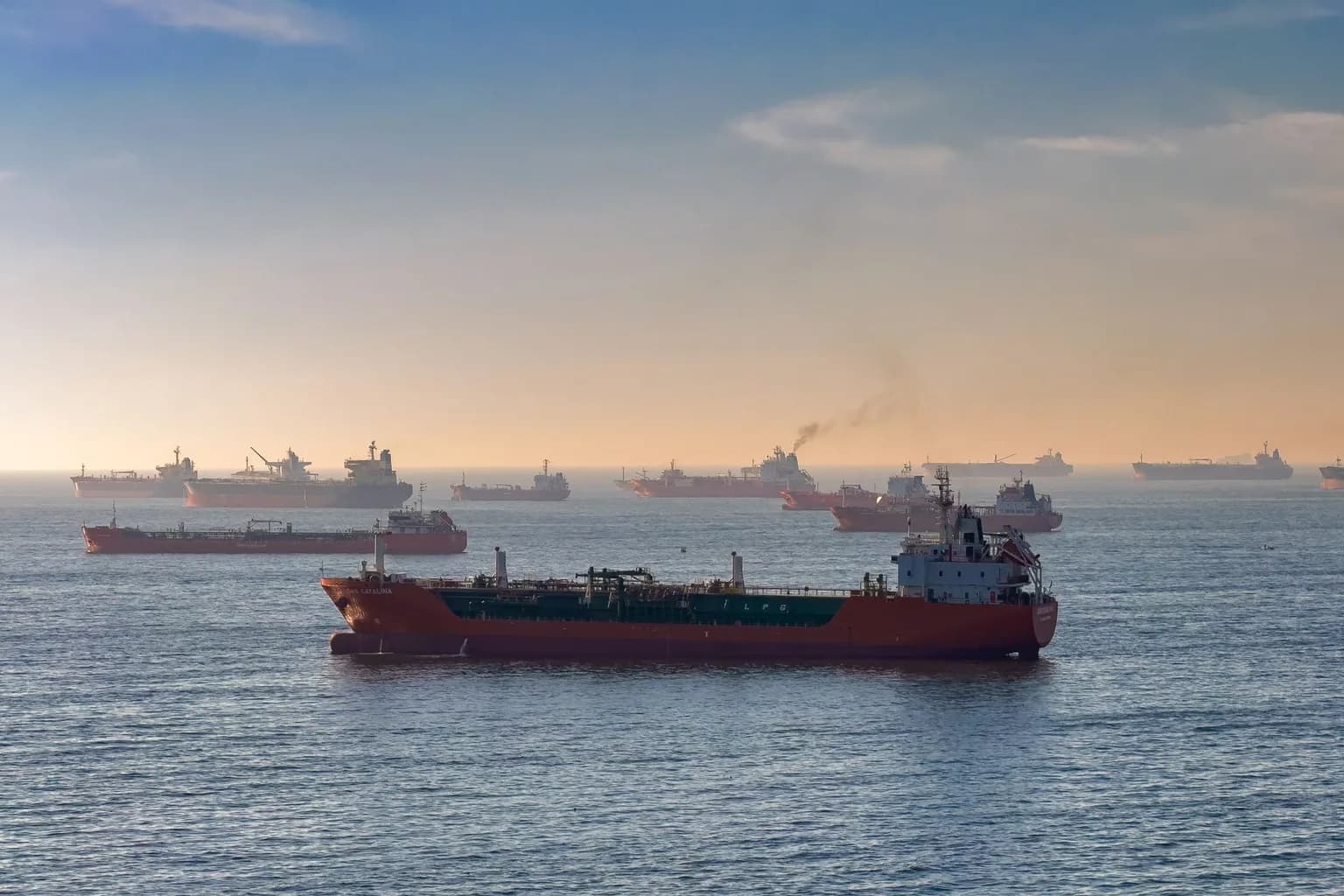
Nearly seven months into the US-Iran conflict, Tehran is seeking to turn the Strait of Hormuz from a point of military pressure into the centrepiece of a diplomatic bargain. Iranian Foreign Minister Abbas Araghchi held roughly three hours of Qatari-mediated talks with US special envoy Steve Witkoff and Jared Kushner, during which Tehran presented a roadmap for de-escalation.
The proposal includes a region-wide ceasefire of up to 60 days, a phased reopening of the Strait of Hormuz and a timetable for wider negotiations. It also calls for a halt to attacks on Arab neighbours. The talks remain preliminary and no agreement has been announced to end the war.
Iranian officials said the strait could potentially reopen within seven days if Washington accepts Tehran's conditions. Iran says those demands include lifting the US naval blockade of Iranian ports. Mohsen Rezaei, secretary of Iran's Supreme National Security Council, set out Tehran's position plainly: “Until our conditions are met, the Strait of Hormuz will not be opened and we will not negotiate”.
Senior security officials have warned that the US has only four to five days to respond to Iran's conditions for reopening the strait. Washington's “steel wall blockade” has redirected 115 commercial vessels, according to the brief.
A senior Iranian official said a phased arrangement offered the most plausible route out of the impasse. Under that approach, Iran would allow navigation through Hormuz in exchange for the US lifting its economic blockade, with Tehran potentially gaining access to frozen assets. The official did not specify which assets Iran seeks or whether their release is being negotiated.
Regional sources said Tehran was prepared to move its demand for transit fees for use of the Strait of Hormuz out of the main agreement and into a side attachment. The brief does not establish whether Gulf states have accepted any proposed arrangement on fees or transit.
Qatar, Pakistan and Egypt are mediating the US-Iran talks. Their efforts follow an earlier understanding between the parties that collapsed in July. The reasons for that breakdown have not been disclosed.
Washington has left open the prospect of negotiations. US Secretary of State Marco Rubio indicated that the US remains willing to pursue diplomacy while retaining military options. The brief does not say whether those options are contingent on the talks or imminent.
Iran's public position has remained defiant alongside its diplomatic outreach. President Masoud Pezeshkian told the UN that Iran will not bow to American pressure. In an interview with NBC News, he said: “We wish Americans to return to the MOU before the midterms”. The brief does not specify the contents or binding status of the memorandum of understanding he referred to.
The conflict has also faced pressure in the US Congress. The Senate voted 49-50 on a war powers resolution, narrowly rejecting an effort to halt Trump's Iran war. Four GOP senators joined most Democrats in favour of the resolution.
The proposed reopening of Hormuz now links a short ceasefire to a broader negotiation over blockades, assets and regional security. Whether Washington is prepared to accept that sequence, or any central part of Tehran's demands, remains unknown.


Comments (0)