
Ali al-Zaidi, Iraq’s prime minister, led diplomatic efforts to secure a US sanctions waiver allowing Iranian airlines to operate 40 daily flights to and from Najaf International Airport. Najaf, home to major Shiite Muslim shrines, receives millions of pilgrims from around the world, particularly Iran.
Commercial flights between Iran and Iraq had been suspended as Iraqi airports sought to comply with tightened US sanctions targeting Tehran’s aviation sector. The suspension prompted demonstrations in several Iraqi cities, including Baghdad, Basra, Maysan and Najaf.
On 29 September, the US Treasury’s Office of Foreign Assets Control, or OFAC, authorised Iraqi Airways to run passenger services between Iraq and Iran under License No. IA-2026-1516078-1. The licence requires flights to leave from and return to Najaf International Airport. Passengers may only be Iranian nationals travelling as religious pilgrims, while cargo is confined to personal baggage and items needed for flight safety.
The authorisation remains in force until the approved transactions are completed or 28 October, whichever comes first. Iraqi Airways will resume flights to Iranian airports in October, with the service initially operating from Najaf airport.
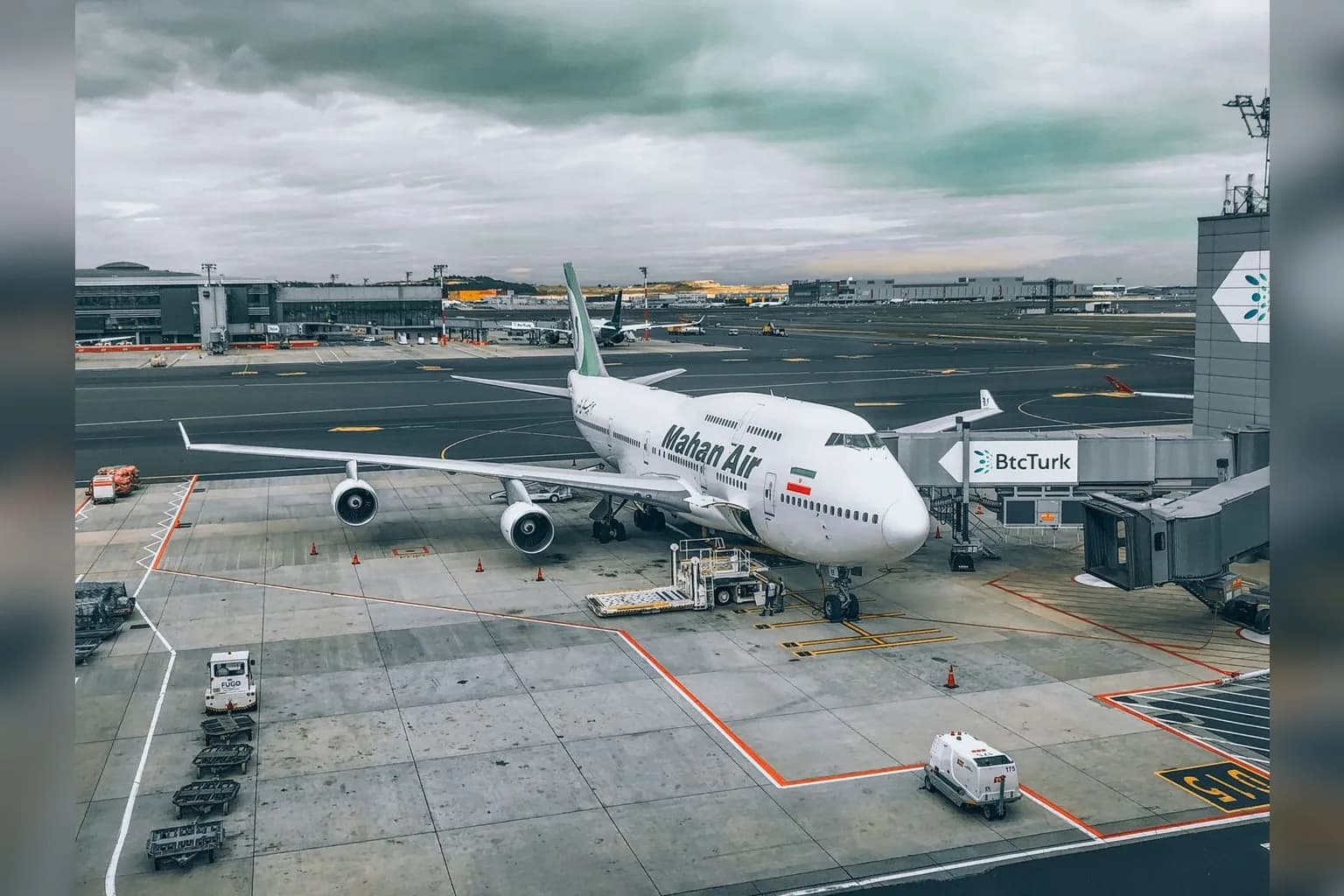
The Iraqi government also announced an agreement allowing Iranian airlines, except Mahan Air, to operate 40 flights daily to and from Najaf. Mahan Air has been under US sanctions since 2011. The US says the airline supports Iran’s Islamic Revolutionary Guard Corps-Quds Force (IRGC-QF), including through the transport of personnel, weapons and military equipment.
The government said the agreement followed efforts to help passengers and pilgrims arriving in or departing from Iraq, while supporting humanitarian, medical, tourism and educational needs. Al-Zaidi welcomed what he described as a positive response from the US government to Iraq’s request for an exemption.
Zaidi said Iraq based its foreign relations on the interests of its people and remained committed to balanced ties with other countries. He said diplomatic channels and responsible engagement could produce practical solutions that took account of people’s interests and needs.
“Air travel represents more than simply transportation between two airports; it is a bridge connecting peoples,” Al-Zaidi said.



Comments (0)