
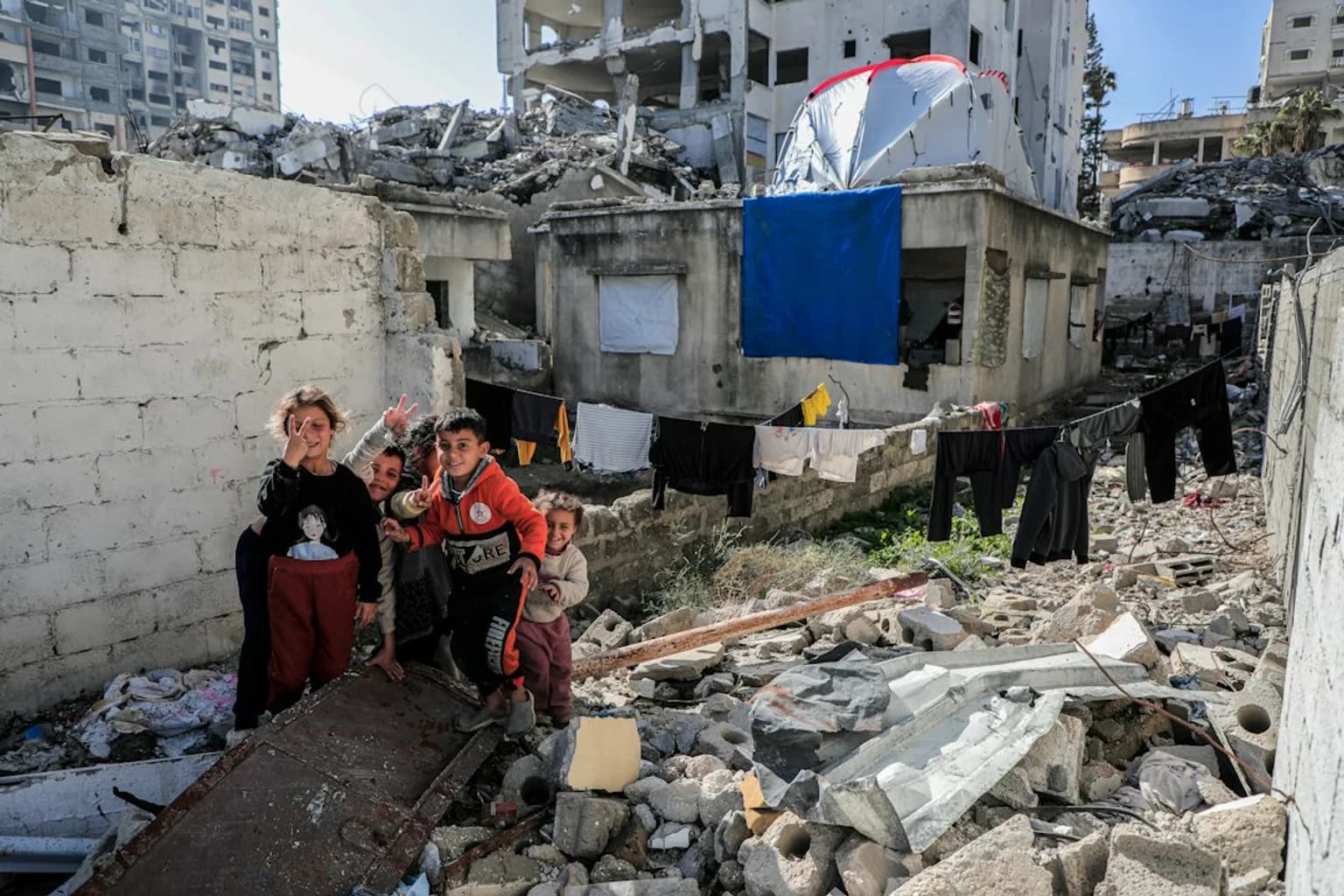
When Israeli forces struck Najwa Abu Eita’s home in the central refugee camp of Nuseirat in September 2024, her 7-year-old daughter was killed and her three other children were injured.
Israel had launched its military campaign in Gaza after militants attacked southern Israel on October 7, 2023.
A ceasefire agreement between Israel and Hamas took effect on October 10, 2025, bringing the offensives and the heaviest bombardment to a halt. Yet demolitions by bulldozer and explosives have continued unabated since the deal, while at least 18 new Israeli military outposts have been built.
Planet Labs PBC imagery shows that most buildings in the Israeli-held part of Gaza have been bulldozed or blown into rubble, with much of the destruction occurring after major fighting ended a year ago. Israel’s military is consolidating control over approximately 60 per cent of Gaza.
Rafah, once home to a quarter million people, has been largely erased. Satellite photographs show areas of dense housing replaced by debris and cleared ground. In Tal as-Sultan, a western Rafah neighbourhood, temporary shelters for displaced Palestinians now stand beside the remains of areas that were once densely populated.
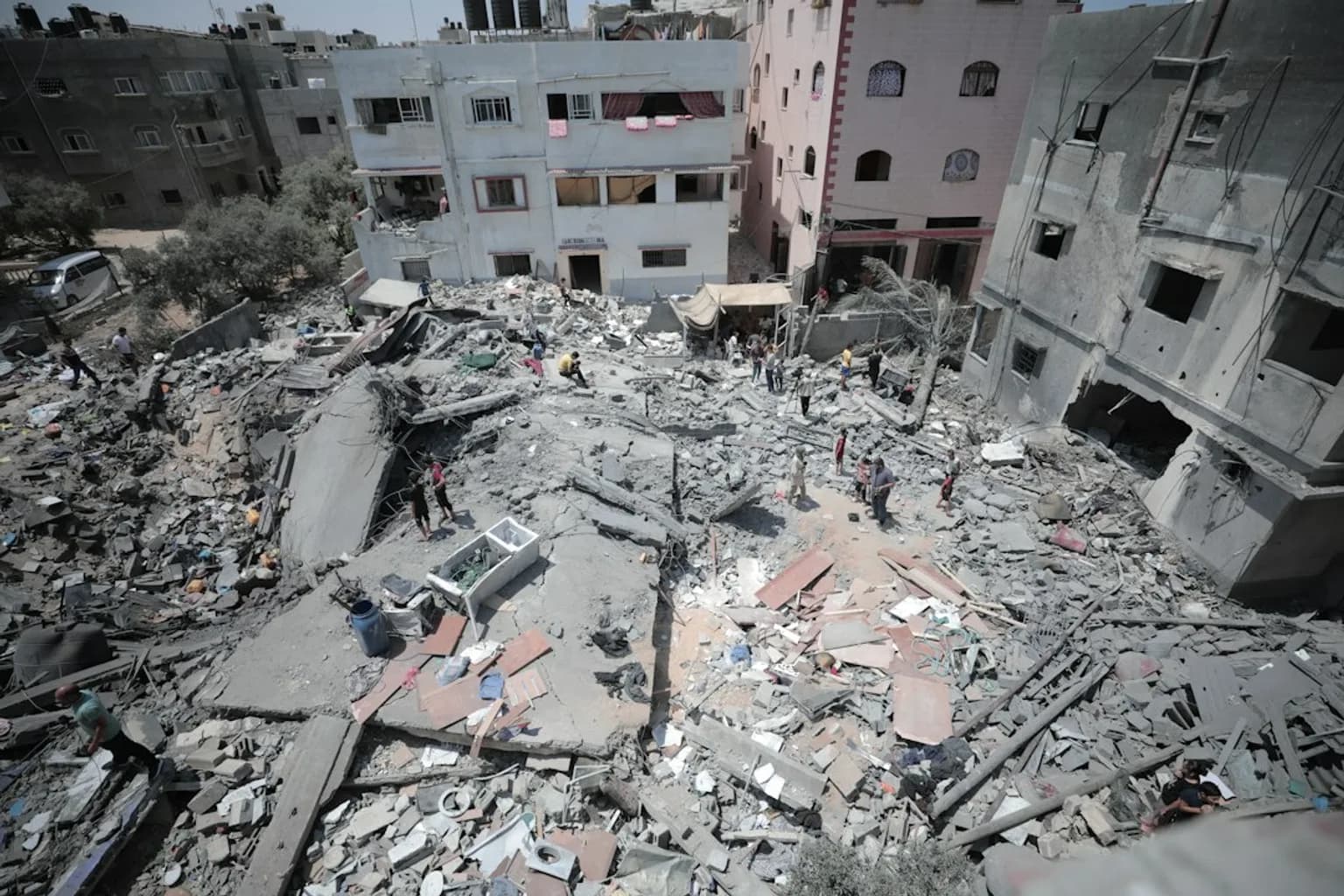
Most of Rafah was razed before the ceasefire, though troops have continued to demolish the few buildings left standing, according to the imagery. Across Gaza, about 82 percent of roughly 200,000 structures have been damaged, and about two-thirds of those damaged structures have been destroyed.
Planet Labs imagery identifies at least 50 Israeli military outposts across the Israeli-held area, at least 18 built after the ceasefire began. Many have been placed on former neighbourhoods, after nearby rubble was cleared away.
The pattern extends north. In Jabaliya, most of the al-Awda Hospital Complex and several UN-run school buildings have been reduced to rubble in recent months. The Indonesian Hospital remains among the few buildings still standing, empty since troops shut it down in June 2025, with a new Israeli military base nearby.
Jabalia refugee camp, Gaza’s largest among its eight camps, has been destroyed, with whole blocks visible as rubble in satellite images. Updated imagery from 2026 also shows Beit Hanoun and Shijaiya reduced to rubble. Beit Hanoun had once been home to some 70,000 people, while Shijaiya is a Gaza City neighbourhood founded 800 years ago. Around Al-Shifa Hospital in Gaza City, satellite imagery shows a landscape extensively destroyed and markedly changed from its pre-war appearance.
A UN Satellite Centre assessment found that the number of destroyed structures across Gaza has risen by 9 percent since the ceasefire took effect nearly a year ago.
The Israeli military says it demolishes buildings to stop Hamas militants using them and to destroy the group’s tunnel networks. Israel also strikes tents, cars and buildings almost daily, saying those attacks target Hamas members.
Gaza’s population is now confined to about 40% of the territory, while Israel’s military controls the rest. Makeshift tent camps for people who lost their homes during the war are visible across Gaza City and elsewhere, leaving the territory effectively one of the world’s most populated tent cities. Gaza’s population of 2 million is living in makeshift shelters in that reduced area.
More than one out of every 10 people from Gaza’s pre-war population has been killed or wounded by Israeli fire. Nearly every family is mourning someone who died or caring for someone wounded, and most families have moved several times to escape fighting and Israeli evacuation orders.
The ceasefire agreement envisaged large-scale reconstruction. That plan has yet to begin because Israel and Hamas have failed to agree on disarming the militant group.



Comments (0)