
In the first days after 7 October 2023, Israeli military intelligence personnel were tasked with rebuilding their picture of enemy ground forces, after months in which almost no intelligence had been gathered on those forces. Personnel describe being ordered not to question their missions.
Those accounts sit at the centre of NAZA, a documentary built on testimony from 24 anonymous Israeli military and intelligence insiders. Most of its witnesses were intelligence officers working behind screens.
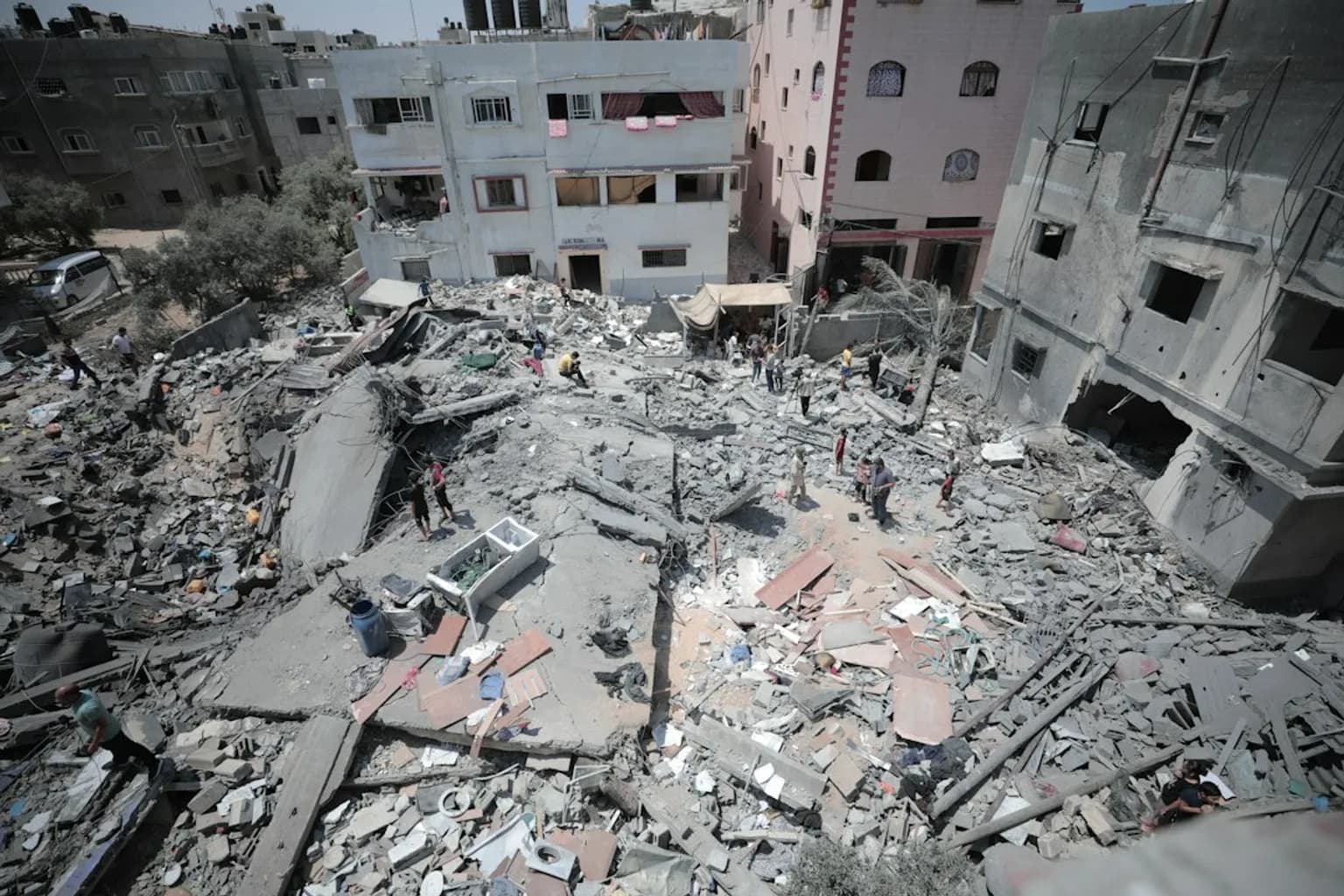
Intelligence and drone personnel describe targeting rules that allowed strikes despite the risk of hundreds of civilian casualties. NAZA sources say low-ranking Hamas targets were bombed in their homes at night despite the knowledge that their families would also be killed. They also describe neighbourhoods being destroyed when the military estimated that up to 25% of residents were still sheltering in their homes.
One interviewee in the film described an action with an expected casualty count of 20 civilians. Another witness said there had once been an approval for 500, while adding that he did not know how many people were actually killed.
In October 2023, a strike targeting Ibrahim Biari in Jabalya left hundreds dead or injured.
There were also accounts of efforts to move civilians away from danger. In November 2023, Mahmoud Shaheen, a Palestinian dentist, told the BBC that Israeli intelligence officers stayed in contact with him for hours while he helped evacuate neighbours from buildings in Gaza's al-Zahra neighbourhood.
The IDF confirmed in December 2024 that its rules of engagement changed when the current war began, though it did not publish the revised rules.
In a statement on 11 September 2026, the IDF categorically rejected allegations that targeting rules had been loosened. It said it strikes military targets and makes unprecedented efforts to minimise harm to civilians.
The IDF said NAZA relied on anonymous testimony from people whose identities could not be verified. It also said there were no fixed casualty ratios, and that commanders had to assess whether each individual strike was proportionate.
In 18 clips of IDF targeting footage supplied to the Hanover Institute, 10 end with an instruction to divert a munition.
Israel's own May 2015 report on the 2014 Gaza war said the IDF did not deliberately target civilian objects or civilians who were not directly participating in hostilities.





Comments (0)