
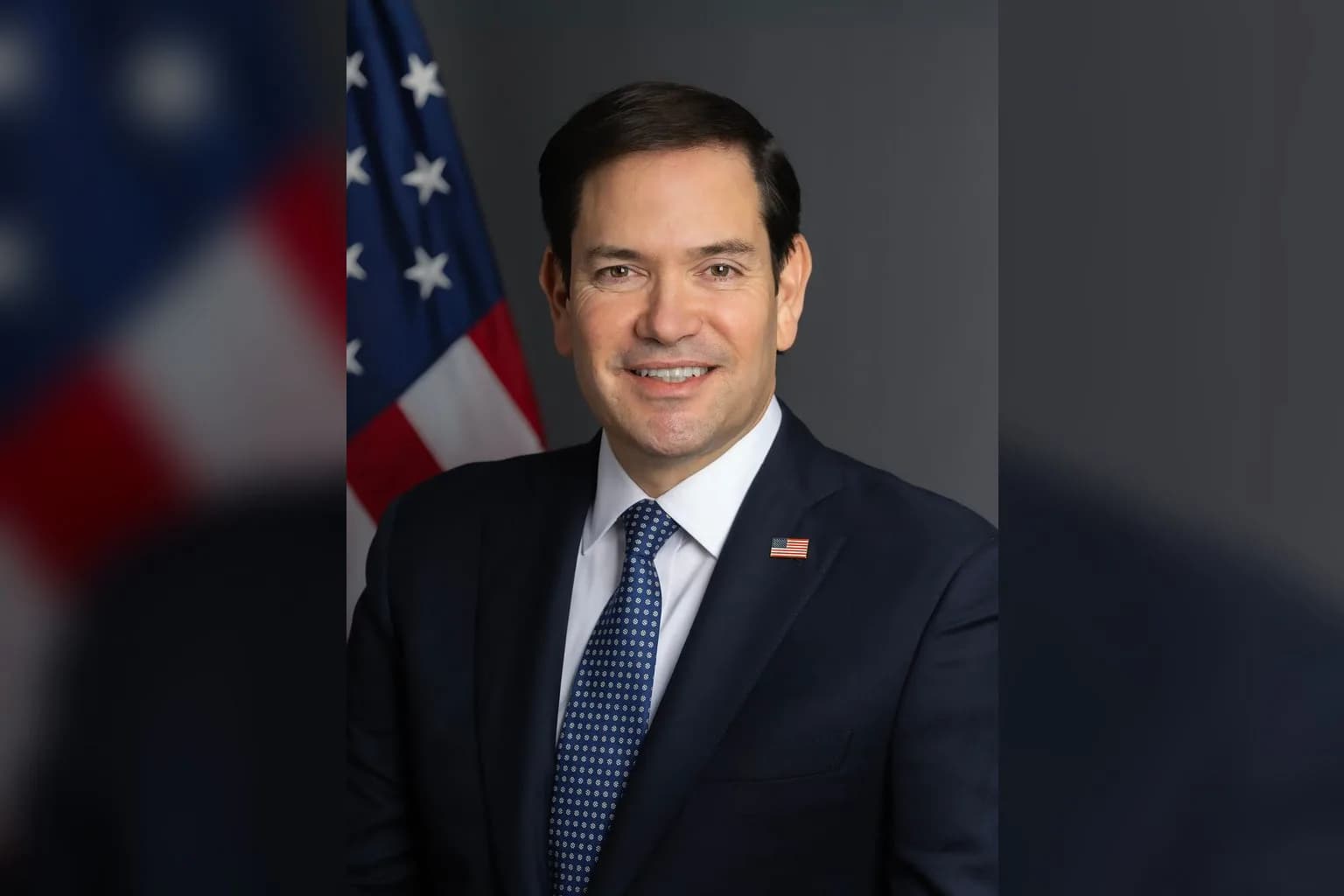
Marco Rubio arrived in Reykjavik on 5 October 2026 with a warning that Russia and China were expanding their positions in the Arctic, and with a push for closer US security cooperation with Iceland. The US secretary of state made Iceland the first stop on a three-nation tour of NATO allies.
The visit followed an awkward month in US-Iceland relations. At the start of September, President Trump shared an artificial intelligence-generated map that appeared to show Greenland and Iceland as part of 'the United States of America.' Reykjavik summoned the US ambassador and called the image 'wholly inappropriate.'
Then, in late September, the United States signed a security pact with Denmark and Greenland allowing Washington to establish two new military bases there.
Rubio met Iceland’s prime minister, Kristrun Frostadottir, and its foreign minister, Thorgerdur Katrin Gunnarsdottir. Their talks covered security alongside geothermal energy, data centres and the pharmaceutical industry.
At a joint press conference in Reykjavik on 6 October, Rubio described Iceland as a "critical outpost" for monitoring clandestine behaviour and deterring adversaries. He told reporters that the country’s contribution lay in its infrastructure, technology and capacity to monitor the Arctic.
Rubio linked Iceland’s airfields, ports, surveillance capabilities and technology to the prospect of expanded bilateral security cooperation. He identified covert activity, threats to undersea cables and vulnerabilities around shipping lanes as risks in the Arctic.
“There are direct threats. And those threats in the 21st century aren't just military threats; they're also economic, commercial threats that have implications on the national security of our respective countries.”
A Russian spy ship was present around Iceland during the summer. The United States ended its permanent military presence at Keflavik in 2006, although more than 1,200 Americans took part with allied forces in the Northern Viking 2026 exercise last month.
Iceland continues to depend heavily on the US for security, relying on NATO and a 1951 US defence pact. Rubio framed security as the basis for the wider economic agenda discussed during the visit. “Security underpins everything else. If you're not secure, you can't be prosperous.”
Rubio also welcomed the recent US, Greenland and Denmark agreement on Greenland’s defence. Gunnarsdottir welcomed the pact as well, while saying on 6 October that the dispute over Trump’s map had been dealt with.
At Hofdi House, where US President Ronald Reagan met Soviet leader Mikhail Gorbachev in 1986, Rubio and Gunnarsdottir recreated the leaders’ famous handshake.





Comments (0)