
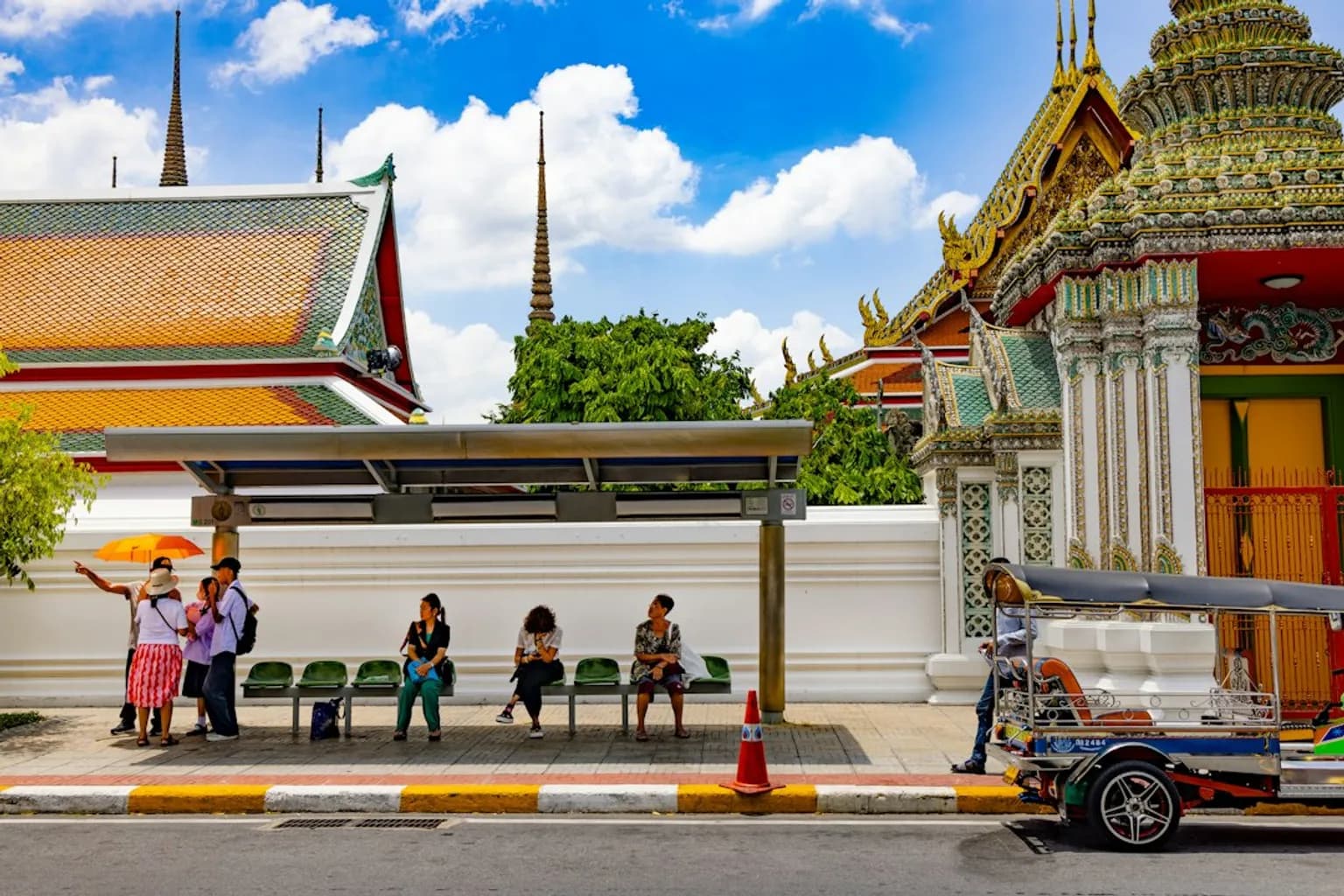
Preecha Thongyad, a Koh Phangan-born real estate investor, has watched foreign land ownership and internationally run businesses reshape the island he calls home. Koh Phangan has fewer than 10,000 residents yet receives more than one million overseas visitors each year, making it one of South-east Asia’s most popular tourist destinations.
That concentration of visitors and investment now sits at the centre of a broader policy shift. Thailand has tightened rules on entry, longer stays and enforcement in measures that came into force between 28 August and 15 September 2026.
For decades, the country promoted itself as a place where foreigners could arrive with few questions, under an immigration framework rooted in the Immigration Act B.E. 2522, enacted on 30 May 1979. In July 2024, the government extended visa-exempt stays from 30 to 60 days for nationals of 93 countries in an effort to stimulate tourism.
By 2026, reports of overseas-owned businesses and land holdings had fed resentment in communities across the country. Protests have emerged in recent months under the slogan ‘Take Back Thailand.’
Rex Baay is senior immigration consultant and operations manager at Siam Legal International. The new measures reach across the routes used by short-stay visitors and people seeking longer residence.
The Prime Minister’s Office Regulation on Deportation B.E. 2569 took effect on 28 August 2026. It covers foreign nationals whose conduct is considered contrary to public order, good morals or public welfare, as well as people who have completed sentences for offences including unlawful entry or stay, unlawful employment, and offences carrying imprisonment of five years or more.
On 15 September 2026, Thailand reduced visa-exempt stays from 60 to 30 days for nationals of 60 countries, including the United Kingdom and the United States. Officials said the revised eligibility list reflected national security and economic considerations. Eligible travellers can apply at an immigration office for one extension of up to 30 additional days.
Most visa-exempt travellers may now make no more than two land-border entries in a calendar year. Malaysia, Brunei, Indonesia and Singapore are exempt from that cap. The rules also limit such entries to tourism, removing earlier wording that explicitly allowed work and short-term business engagements.
Travellers must complete the Thailand Digital Arrival Card at least three days before arriving. An overstay carries a fine of 500 Thai baht a day, while serious penalties can include detention, deportation and a potential 10-year ban on re-entering Thailand.
Authorities have also begun examining approximately 2,200 companies suspected of holding land through foreign majority ownership, with the investigations expected to conclude by the end of September. The figure gives national scale to a concern felt sharply on Koh Phangan, where the volume of overseas visitors bears heavily on a small local population.
Israeli tourists are now Koh Phangan’s largest visitor group and face particular scrutiny amid geopolitical tensions and local concerns over cultural impact and economic exclusion. Popular destinations including Bangkok, Chiang Mai, Phuket, Krabi and Koh Samui remain open to tourism, though visitors can encounter bag snatching, overcharging and scams.
Since 31 August 2026, applicants for the long-term Destination Thailand Visa have had to apply only through the Thai e-Visa portal and provide a criminal background check from their country of nationality or permanent legal residence. The rules signal a more closely managed approach to the foreign visitors and residents who have long been part of Thailand’s tourism economy.





Comments (0)