
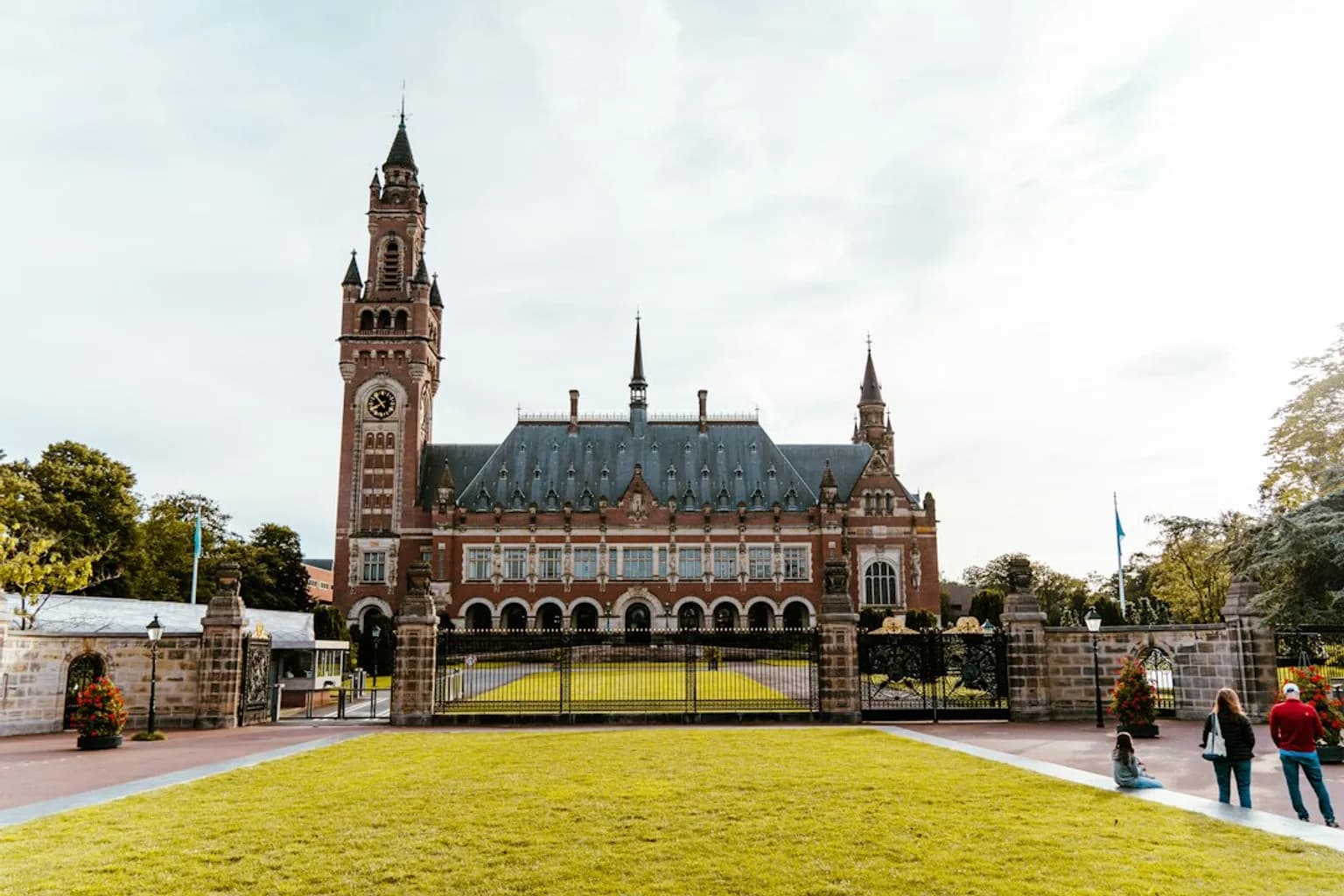
In The Hague, Netherlands, the International Criminal Court's deputy prosecutor, Nazhat Shameem Khan, answered US sanctions with a declaration of continuity. “Our work will continue across all our situations, our investigations and our prosecutions,” Khan told Reuters on 9 October 2026.
Her response came after Secretary of State Marco Rubio announced sweeping sanctions against the court on Friday, 9 October 2026. The measures block all ICC property in the United States and bar transactions.
Rubio framed the move as an ultimatum. “We don't need that court. And we don't want it,” he said. He added: “Either the ICC will end its threats, or we will end the ICC.”
The administration is seeking to “dismantle” the court, and Rubio said it would do so if it continued with cases Washington regards as an infringement on American sovereignty.
Some activities remain permitted under general licences, including maintenance, information technology services, pension-plan operations and work involving detainees. A temporary US Treasury Department authorisation gives individuals and organisations six months to wind down certain dealings.
Khan said the sanctions must be condemned and would not stop the court's work. She said they were intended to weaken the rule of law internationally and the work of an independent judicial institution.
The ICC itself called the sanctions an assault on the rule of law and appealed to its member states to ensure that it can keep functioning.
The dispute follows a long-running clash over the court's reach. The United States has never joined the ICC and has long rejected its jurisdiction over American citizens. Washington has particularly opposed proceedings involving American military personnel over actions in Afghanistan, although the court has said it has deprioritised its investigation into allegations involving those personnel.
Washington has also criticised arrest warrants issued for Israeli officials, including Prime Minister Benjamin Netanyahu, in connection with the war in Gaza. The court's mandate is to prosecute when states are unwilling or unable to do so.
On the day the sanctions were announced, former ICC judge Navanethem Pillay received the Nobel Peace Prize for work advancing accountability for grave international crimes.




Comments (0)