
Hours after Navi Pillay, a former judge at the International Criminal Court, won the Nobel Peace Prize, Secretary of State Marco Rubio announced a new US sanctions campaign against the court on Friday, 9 October 2026.
Rubio said the measures would bar transactions with the court, restrict visas and entry for its personnel, and could punish companies that provide services to it. “That is why, today, the United States is sanctioning the International Criminal Court. We will ban transactions with this rogue court, cutting off their resources and crippling its ability to operate.”
He presented the decision as a defence of Americans from the court’s jurisdiction. “President Trump will never allow the International Criminal Court to prosecute Americans.”
Rubio called the campaign a “sweeping campaign to dismantle the threat posed by the International Criminal Court.”
US sanctions have targeted the court’s president, Tomoko Akane of Japan, and its senior trial lawyer, Abdoulaye Seye of Senegal. They have also been imposed on Nicolas Guillou, a French presiding judge, after he condemned Israeli Prime Minister Benjamin Netanyahu in his judicial capacity.
The measures go beyond earlier targeted sanctions against individual court officials because they could reach businesses serving the court. The Trump administration had imposed targeted sanctions during his first term, before President Joe Biden rescinded them.
It restores the use of sanctions in a dispute that has centred on the court’s ability to investigate US forces and US allies.
The United States has opposed ICC investigations into military actions in Afghanistan since 2020, where inquiries could include alleged US wrongdoing. Washington had also objected to a past investigation into actions by US soldiers in Afghanistan, which the court has since closed.
Washington has also been angered by ICC arrest warrants for Israeli officials, including Prime Minister Benjamin Netanyahu.
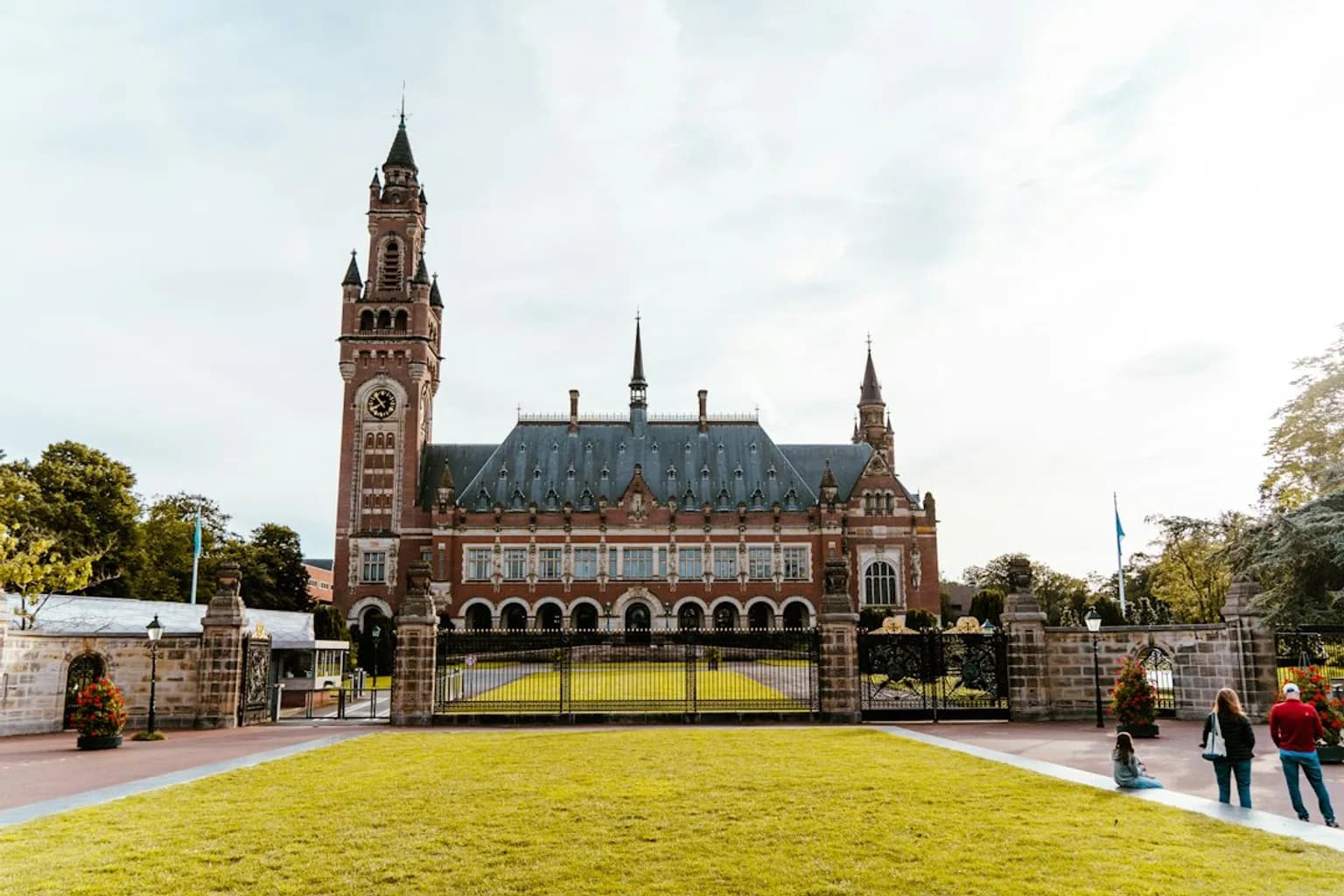
The ICC was founded in 2002 in response to the mid-1990s genocides in Rwanda and the former Yugoslavia. Its mandate covers war crimes, crimes against humanity and genocide. The court is based in The Hague in the Netherlands and has 125 member states, including all EU countries and every NATO member except the United States and Turkey.
Nazhat Shameem Khan, the ICC’s deputy prosecutor, condemned the sanctions. “The sanctions are intended to undermine the rule of law internationally and the work that an independent judicial institution is doing.”
Khan said the court would press on. “Our work will continue across all our situations, our investigations and our prosecutions.” The ICC said the measures sought to obstruct an “independent” international court backed by more than half of UN members.
Pillay is a South African jurist who served on the ICC Appeals Chamber from 2003 to 2008. In awarding her the Nobel Peace Prize, the Nobel committee said it wished to “issue a reminder” at a time when “judges and institutions of international law are under political attack.”



Comments (0)