
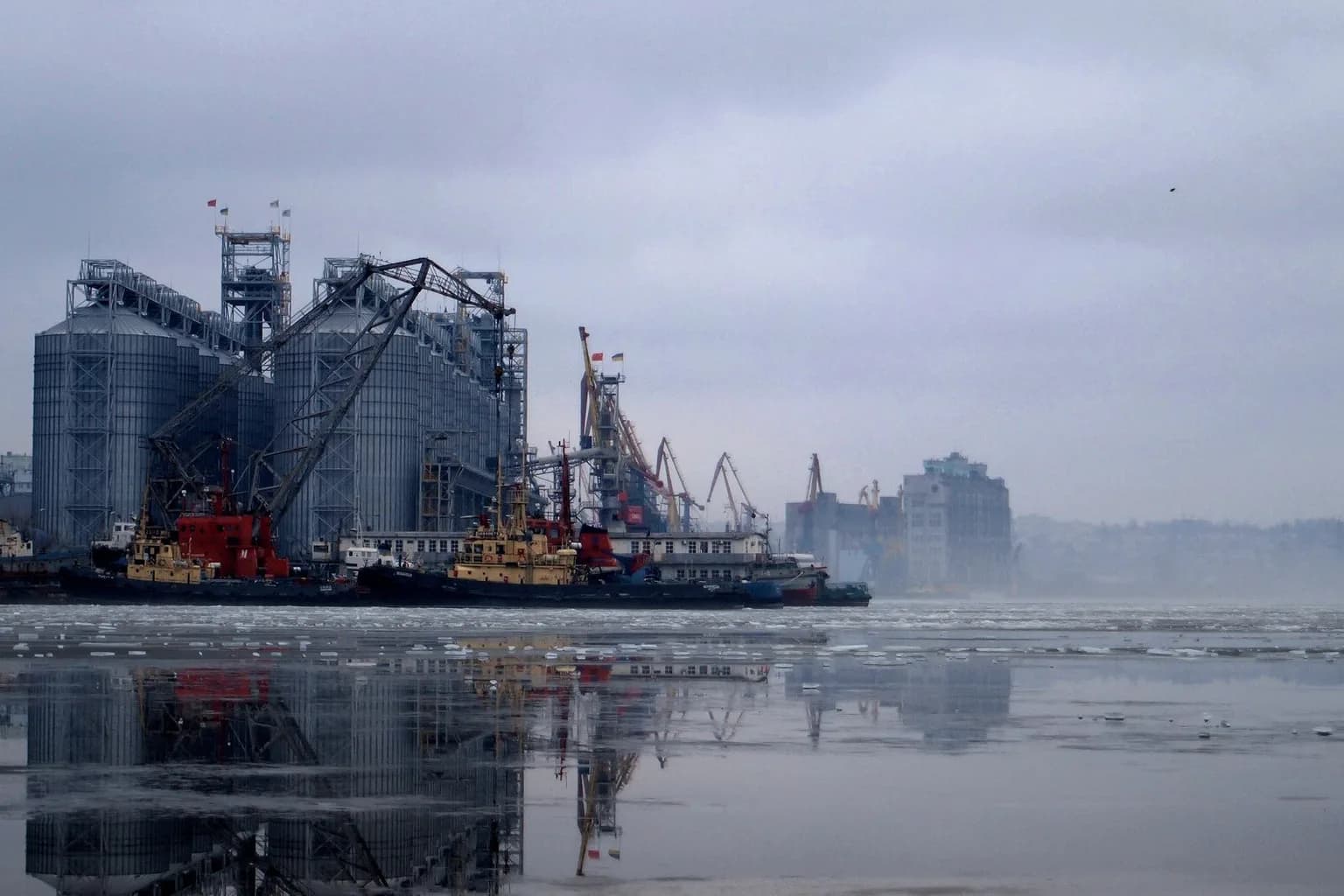
Turkey and the United Nations are preparing fresh talks with Russia and Ukraine on a possible Black Sea ceasefire, reviving an effort to secure commercial shipping through waters central to global grain trade. The meetings are due in early October and will be mediated by envoys from the Center for Humanitarian Dialogue, a Swiss non-governmental organisation.
The initiative is focused on a limited agreement rather than a wider settlement to the conflict. Participants in preliminary discussions considered a “narrowly defined and reciprocal arrangement” covering free commercial navigation and protection for ports and energy infrastructure.
The talks follow a closed-door meeting held during the UN General Assembly in late September. Turkish officials took part alongside representatives from the US, Europe, India and Egypt. The initiative began in September with support from other global powers, although it remains unclear which parties will take part in direct negotiations and which will work through mediators.
The diplomatic effort draws on the precedent of a Black Sea grain shipping agreement reached in 2022. That arrangement, brokered by Turkey and the UN, ensured safe passage for grain, fertiliser and food leaving Ukrainian ports. It collapsed a year later.
Restoring some form of corridor has implications beyond the Black Sea. Russia and Ukraine account for more than a quarter of the world’s wheat shipments. Wheat futures reached a three-year high in August before prices eased slightly in September.
Turkey has indicated that Ukraine is open to renewed discussions. Turkish President Recep Tayyip Erdogan said in September that he had received a “positive” response from Ukrainian leader Volodymyr Zelenskyy on re-establishing a Black Sea grain corridor.
Russia’s public position has been more guarded. Russian Foreign Minister Sergei Lavrov said in September that a return to the 2022 Black Sea deal was “completely unacceptable and unrealistic”. The language suggests that any agreement would need to differ from the earlier arrangement, though the terms Russia might accept have not been made public.
On Friday, Russian leader Vladimir Putin said Ukraine’s proposals to halt attacks, including in the Black Sea, remain on the table. His comment leaves open the possibility of discussion over reciprocal restraint, while offering no indication that Moscow would return to the previous grain deal.
Ukraine has also expressed caution about the prospects of an agreement. Ukraine’s Agriculture Minister Taras Vysotskyi told Bloomberg News that he saw no positive signs that a grain corridor could be established in the coming months.
The early October meetings will therefore test whether the parties can define an arrangement narrow enough to win support while addressing the competing conditions that ended the 2022 deal. There is no indication that the talks will produce a binding agreement, and the practical route to implementing any deal remains unknown.





Comments (0)