
Eastern Polish airports closed on 17 September after reports of explosions near the border, as fighter jets were scrambled. Southeastern airspace remained shut the following day.
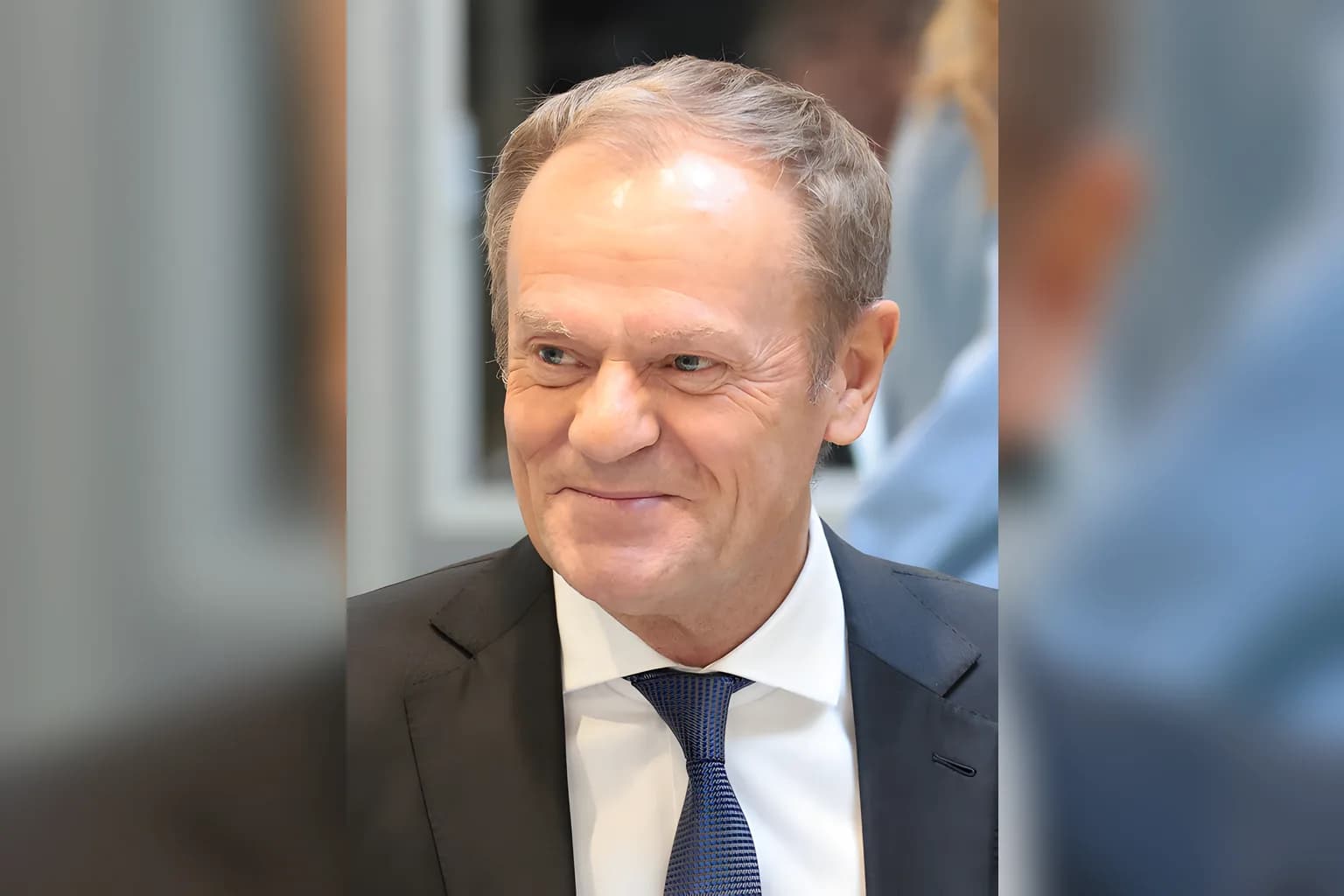
Against that backdrop, Poland’s Prime Minister Donald Tusk told the Sejm in Warsaw that Russia could fire rockets and drones into NATO territory, then claim that the strikes had been mistakes. He said such a course was intended to “paralyse or at least weaken the motivation of NATO countries” supporting Ukraine.
Tusk said the assessment rested on intelligence from the CIA, NATO and Ukraine’s security services.
His warning came after Russia intensified hybrid warfare across Europe, including sabotage, psychological warfare and drone strikes near the Polish-Ukrainian border. Poland has accelerated procurement of air defences, including Patriot batteries and the Polish Wisła and Narew systems. Gaps in coverage remain, especially against low-cost drones capable of saturating defences.
The concern extends across NATO’s eastern flank. The Baltic states, Romania and the Czech Republic have also echoed concerns about pressure ranging from GPS jamming and cyber intrusions to the instrumentalisation of migration at the Belarus border.
The problem for the alliance lies in the threshold for collective defence. NATO’s clause requires consensus that an armed attack has occurred. The immediate question is whether allies can agree on a declaratory threshold for an “armed attack” when an attacker says the incident was an error.
Some diplomats have argued for a pre-agreed framework that would provide automatic consultations, shared intelligence disclosure and graduated response options. Their aim is to remove the ambiguity they say Moscow exploits.
In Brussels, EU defence ministers examined the European Commission’s proposed Emergency Security Protocol. The proposal covers incidents threatening national security that fall short of the threshold for NATO’s Article 5 mutual-defence clause. Commission President Ursula von der Leyen presented it as a complement to NATO’s Article 4.
Several European diplomats have cautioned that parallel procedures could complicate decisions and slow a response. European countries have attributed cyberattacks, an attempted armed drone attack on Leipzig/Halle airport, a railway explosion in Poland and fires at industrial facilities to Moscow.
Andrius Kubilius, the EU defence commissioner, said Europe’s answer to hybrid threats should be “painful in a similar way”. “Russia needs to know that there will be answers, and they can be painful,” he said.
NATO Secretary-General Mark Rutte said the alliance had response options available, though some could not be discussed publicly. Denmark’s intelligence service has warned that Russia could mount a limited military attack against a NATO member within months.
Poland is pressing the alliance to decide how it will treat attacks designed to remain in the space between disruption and open conflict.




Comments (0)