
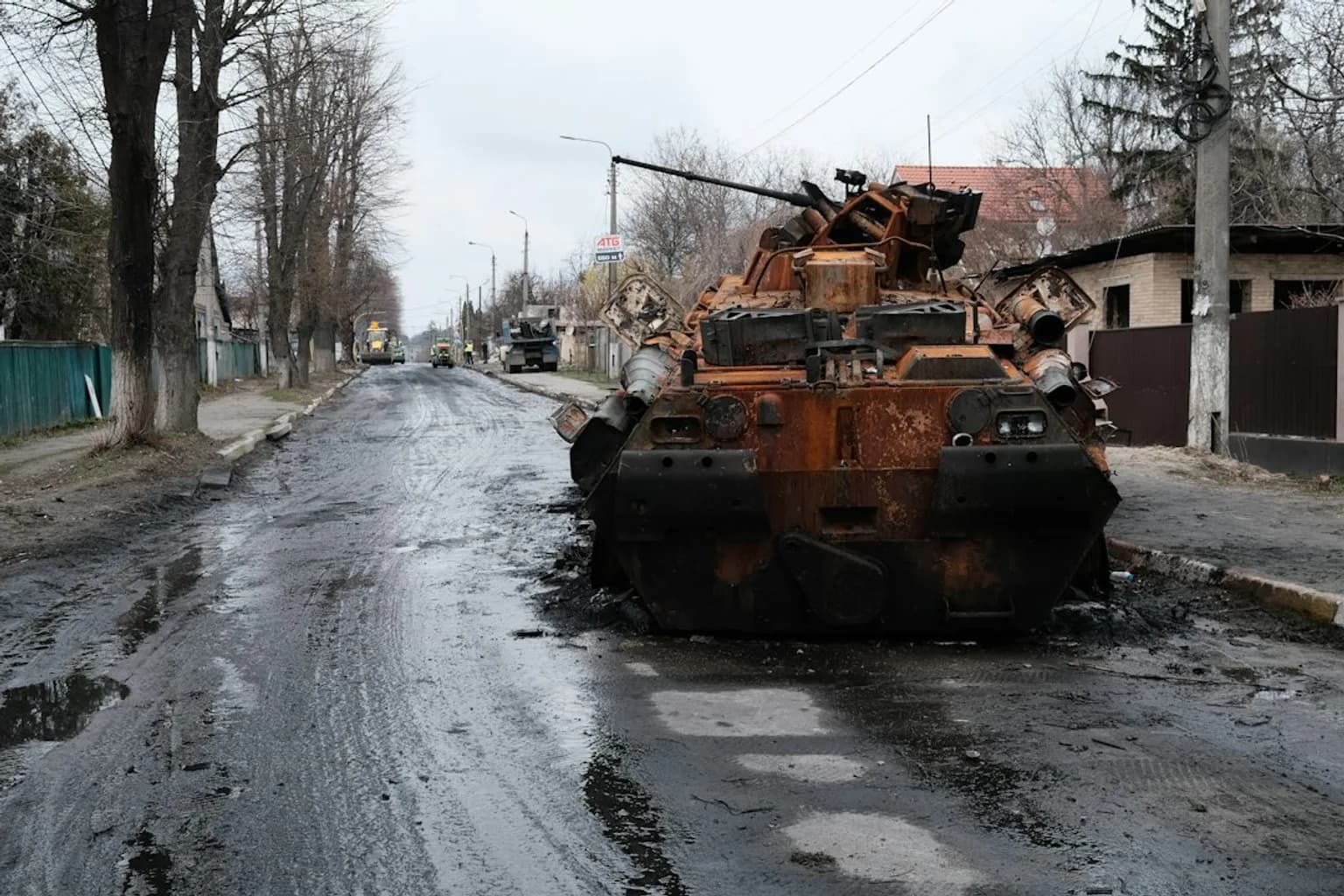
Volodymyr Zelenskyy has said Ukraine will intensify its attacks on Russian refineries in response to Moscow’s escalating strikes on Ukrainian energy and civilian infrastructure. In an interview published Saturday, the Ukrainian president told Reuters that Kyiv would press the campaign against the fuel network that supports Russia’s armed forces.
The campaign has become a test of whether Ukraine’s long-range drones and missiles can impose lasting costs on Russia’s ability to produce and distribute fuel. Ukraine’s Defence Minister, Yevhen Khmara, said on October 4 that analysts had concluded that over 51% of Russia’s oil-refining capacity had been disabled.
Ukraine’s General Staff had put the loss at 45% on September 21. Khmara’s assessment represented an increase of 6 percentage points in two weeks.
Russian President Vladimir Putin has publicly conceded that the strikes have inflicted economic damage. On October 1, he said they had cost Russia roughly 1% of its gross domestic product.
“They started attacking oil refineries and openly declared the goal of damaging our economy. Did they achieve their goal? Partially,” Putin said.
Ukraine’s campaign has ranged across refinery sites in Moscow, Yaroslavl, Kirishi, Perm, Ilsky, Saratov and Syzran. Ukrainian drones and missiles have repeatedly reached targets more than 1,500 kilometers from Ukrainian-controlled territory.
Its reach has extended further. A Fire Point FP-1 drone struck a Russian gas facility 3,200 kilometers from the Ukrainian border on September 9.
As of mid-September, the International Energy Agency had recorded 204 confirmed Ukrainian drone and missile strikes on 28 major Russian refineries. Only five major refineries had escaped attack, all in eastern Siberia or Russia’s Far East, beyond the range of Ukraine’s most advanced long-range drones at that time.
The IEA also said some of Russia’s 32 refineries had been struck as many as 15 times since the start of the war. In recent months, it said, one refinery had been hit every three days.
The damage has translated into lower output. Russian refinery throughput fell to 3.8 million barrels per day in June, the lowest level in more than 20 years and around 30% below a year earlier. Gasoline output was down 20% year on year, while diesel production was estimated to have fallen by nearly 30%.
At gasoline stations, drivers have had to wait up to 40 hours to fill up.
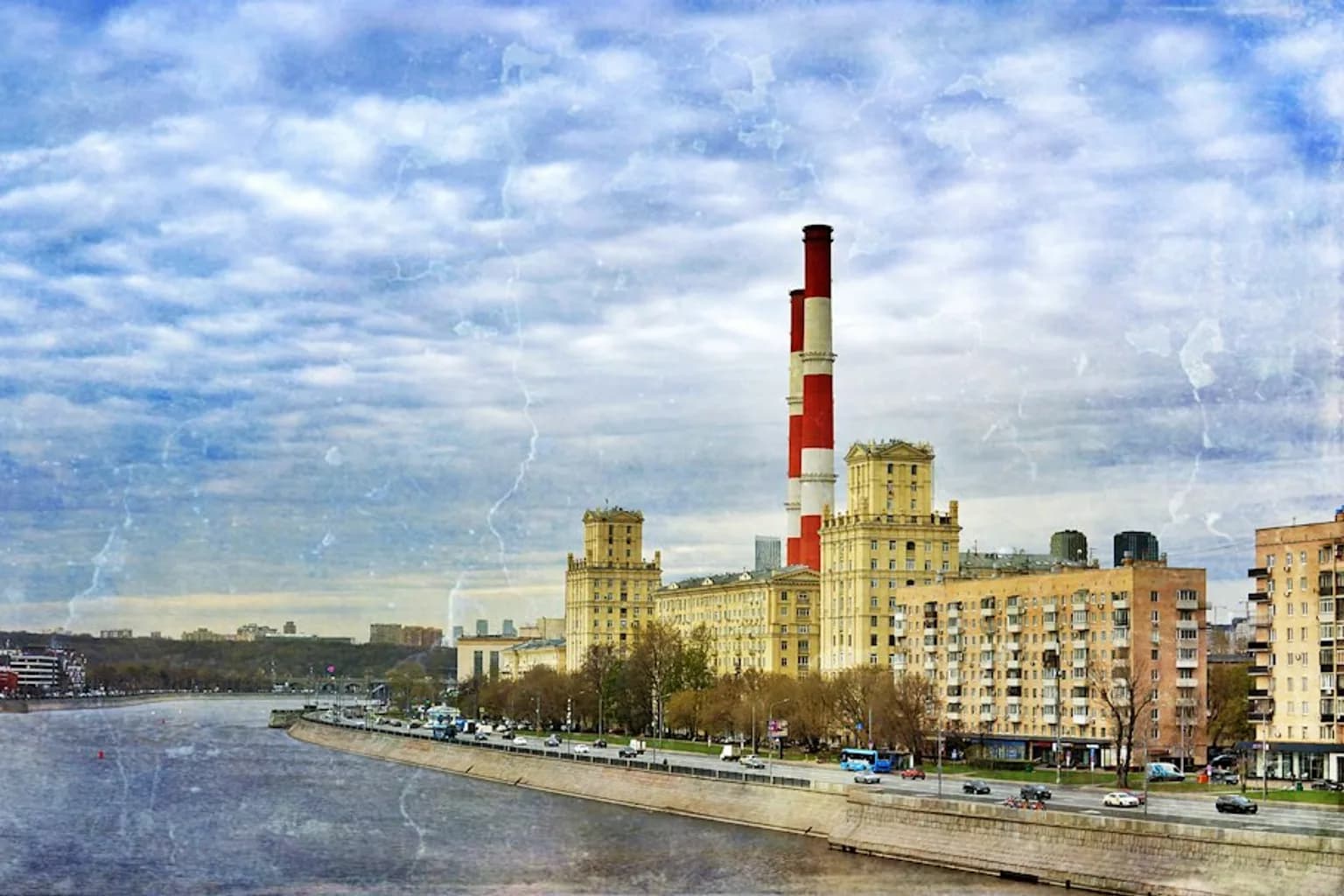
Moscow’s 250,000-barrel-per-day refinery was damaged badly enough in June that it is expected to remain offline until early 2027. The IEA has said serious damage to complex secondary processing units can take six to eight months to repair.
On October 2, Ukrainian drones struck Lukoil’s Volgograd refinery, which can process around 300,000 barrels of crude per day, and a major oil-pumping hub in Russia’s Samara region.
Russia has sought to manage the pressure on supplies. It has restricted gasoline exports and imposed its first-ever export bans on jet fuel and diesel. It has also relaxed fuel-quality standards and started importing gasoline from Belarus and Kazakhstan, as well as by sea from Morocco, South Korea, India and Türkiye.
Putin signed a decree on September 28 restricting access to data on Russia’s oil refineries and energy exports.
The exchange is also being matched by threats of further escalation. Ukraine’s Defence Ministry said on October 4 that it had tripled production and procurement of long-range strike drones in 2026.
Zelenskyy has tied further refinery strikes to Moscow’s policy of forcing people to abandon cities.
Russia’s Defence Ministry said on Sunday that it would intensify strikes on Kyiv and elsewhere in Ukraine in response to Zelenskyy’s pledge. Recent attacks on infrastructure, including bridges across the Dnipro river in Kyiv, have disrupted life for the capital’s 3 million residents ahead of the upcoming bitter winter months.




Comments (0)