
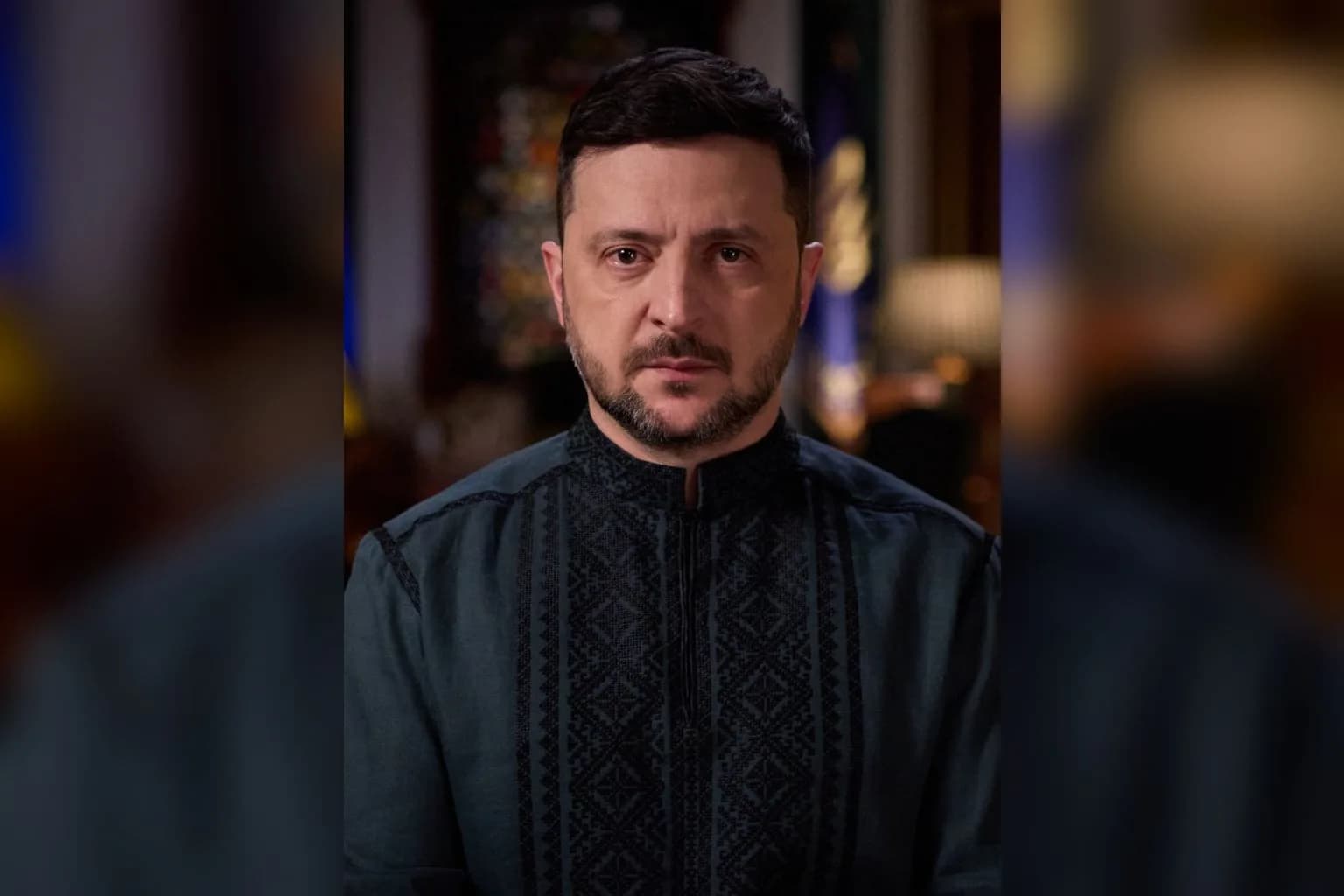
Ukraine’s first reported combat use of a domestically produced ballistic missile marks a new stage in its effort to build weapons systems at home as Russia continues to use ballistic missiles against Ukrainian targets. President Volodymyr Zelenskyy said Ukraine deployed its FP-7 tactical ballistic missile in combat for the first time on October 1.
Zelenskyy announced the deployment on Thursday in a social-media post that said: ‘Ukrainian tactical ballistic missile FP-7. First combat use. Thank you for the result. Next - production.’ The reference to production indicated an intention to expand manufacturing, though no timeline for doing so has been disclosed.
The missile was used against targets in Ukrainian territory occupied by Russia. Zelenskyy’s communications adviser declined to identify the target, telling the Kyiv Independent: ‘We’re not telling.’ It is also unknown whether the FP-7 struck its intended target, how much damage it caused, or how reliable the system has proved in operational use.
The FP-7 was developed by the defence firm Fire Point, whose chief executive is Irina Terekh. Ukrainian military analysts put its range at about 200 km (125 miles), while separate reporting has placed the range at about 250 kilometers. The missile has a warhead weighing more than 200 kilograms and a maximum flight altitude of about 60 kilometers.
Michael Kofman of the Carnegie Endowment for International Peace described the first launch as ‘positive progress’. Ukraine has now joined about 10 countries capable of producing ballistic missiles domestically, according to the information released around the programme.
The operational debut comes amid a substantial disparity in the use of ballistic weapons during the war. Russia frequently uses ballistic missiles in strikes on Ukrainian targets. It launched 195 ballistic and hypersonic missiles in July alone, the largest monthly total since the war began.
Fire Point has said the FP-7 is also being developed as a ballistic interceptor under Freyja, a European missile defence programme launched this year. In July, Davyd Aloian, deputy secretary of Ukraine’s National Security and Defence Council, said Ukraine wanted a prototype for the Freyja European anti-ballistic system ready in the first half of next year.
The relationship between the FP-7’s combat use and its planned role in the Freyja programme has not been detailed. Nor has Ukraine disclosed how the system would be integrated into the European anti-ballistic project.
The FP-7 effort runs alongside a separate Ukrainian ballistic missile development programme. That programme has undergone testing since 2024, though it has yet to increase production because of funding and production-capacity shortfalls. Its current funding position has not been disclosed.
Zelenskyy’s announcement therefore established the fact of the FP-7’s first reported combat deployment while leaving the result of the strike unclear. The next test for the programme will be whether Ukraine can move from a first use to sustained production.





Comments (0)