
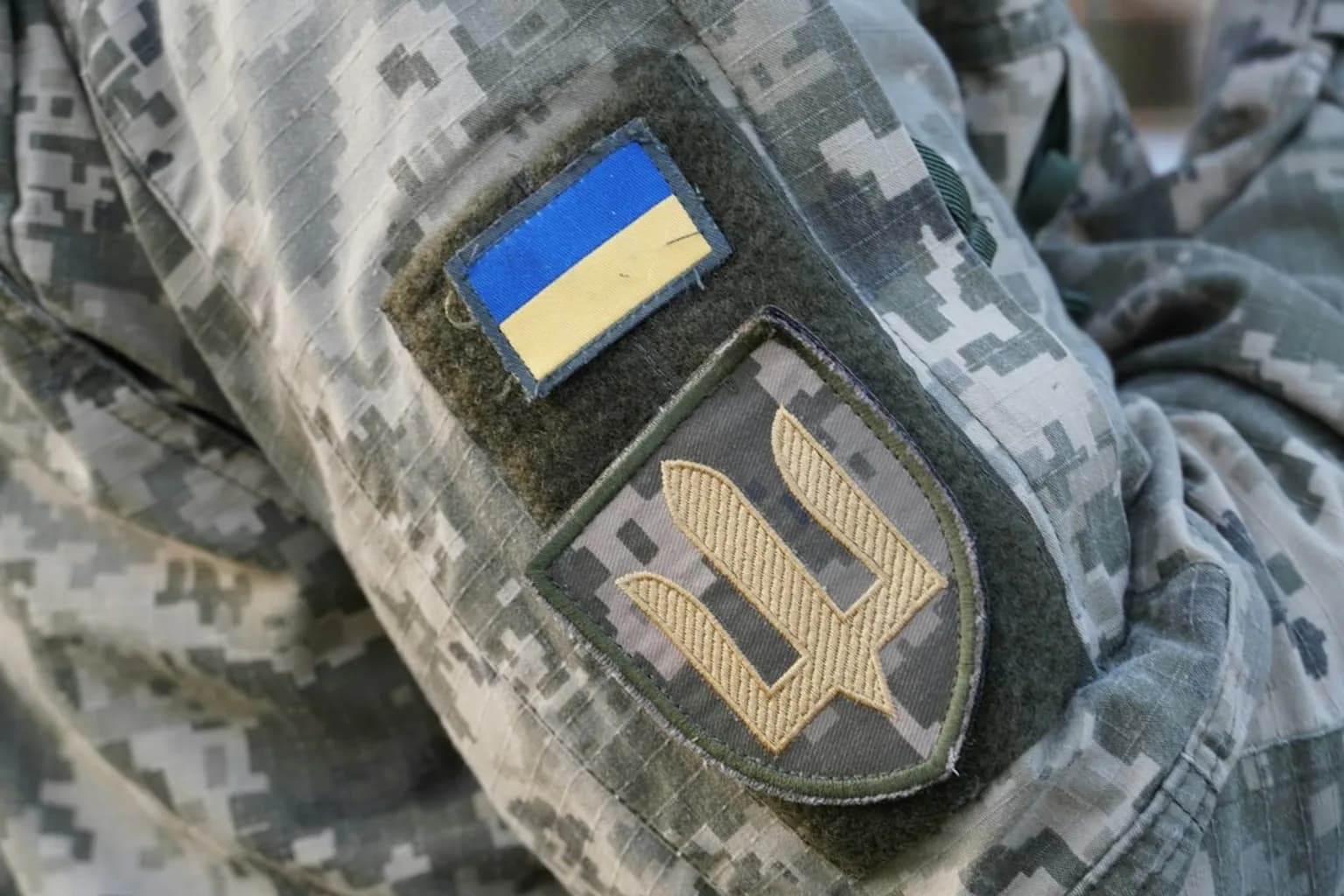
Pavlo Oliynyk was serving as a senior lieutenant in Ukraine’s armed forces when Russian forces captured him in the Donbas region in 2024. Oliynyk, 25, says that as a prisoner of war he was electrocuted, beaten and psychologically tortured.
He was later offered a place in the Maksym Kryvonis battalion. Oliynyk says he joined the enemy force to escape Russian captivity.
Russia has announced the battalion as a unit of Ukrainian ‘volunteers’. Its creation sits within a wider pattern: reports of Russian combat units made up of Ukrainian prisoners of war and former members of Ukraine’s armed forces began to emerge in late 2022.
The account from Oliynyk, however, points to the pressures that may sit behind the language of volunteering. It also leaves unanswered how many other prisoners or former servicemen have entered Russian units, and whether they faced circumstances similar to his.
The battalion is named for a famous 17th-century Cossack commander. Russian media reports put its strength at about 200 fighters, though available footage suggests several dozen.
Its precise size remains uncertain, but the unit has evidently taken part in combat.
An investigative team from the Ukrainian public broadcaster Suspilne identified over 30 members of the Maksym Kryvonis battalion. Suspilne confirmed that every person it identified was a former Ukrainian serviceman captured by Russian forces between 2023 and 2024.
In August 2026, several detachments were merged into the so-called ‘Ukrainian Volunteer Special Forces Brigade’.
That consolidation suggests a broader structure for forces drawn from captured Ukrainian personnel. For those held in captivity, Oliynyk’s account describes military service against their own country as a route out of detention. The legal status of prisoners of war compelled into such service, and the full extent of coercive recruitment, remain unclear from the available information.

Comments (0)