
Twenty Iranian-flagged oil tankers are anchored approximately 15 nautical miles off Sri Lanka’s southwest coast, in international waters near the port of Galle. Their crews face growing shortages of food, fuel and fresh water.
The vessels are part of a larger group caught by the US maritime blockade of Iran. At least 50 Iranian oil tankers have been prevented from leaving the country’s coast, most carrying crude, petroleum products and liquefied petroleum gas.
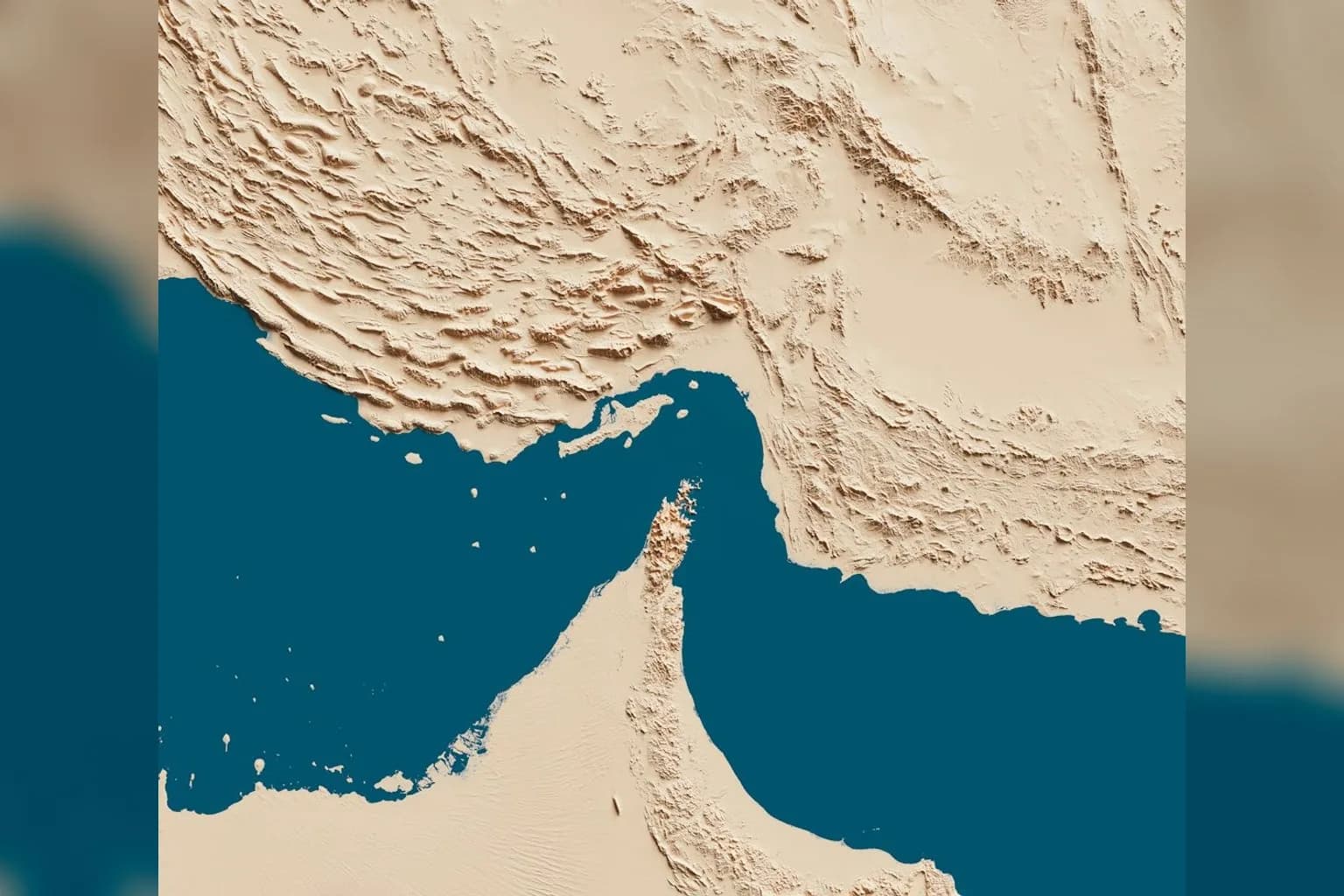
The United States renewed its naval blockade of Iranian ports and the Strait of Hormuz in July 2026. The operation has left another Iran-flagged vessel stuck by Oman, while empty tankers that need to return to Iran have remained in the Indo-Pacific region to avoid the blockade.
Washington’s pressure has reached Iran’s main export infrastructure. No tankers were seen loading at Kharg Island, Iran’s main crude export hub, as of October 5.
Bloomberg’s preliminary estimates found that Iran did not load crude oil onto tankers at all in September. September 2026 was the first month since the war began in February in which Iran’s crude loadings fell to zero.
At least 11 loaded tankers were anchored east of Kharg Island, with another five waiting farther south in the Persian Gulf.
US military data show 130 vessels have changed course during the operation. US Central Command said it had redirected 92 commercial vessels while enforcing the blockade.
The blockade has also been backed by direct military action. Iran’s Islamic Revolutionary Guard Corps launched ballistic missile attacks against two US Navy warships, which evaded the attacks; no US personnel were injured.
US forces then struck three Iranian crude oil carriers near Kharg Island, Jask and in the Gulf of Oman. Two tankers were permanently disabled, while a third, which was unladen, was destroyed.
Central Command said US forces had disabled three vessels and boarded two during the enforcement operation.
In August, the US embassy in Colombo warned Sri Lanka that local companies supplying the Iranian tankers with food, water, fuel or repair services could face heavy secondary sanctions.
Scott Bessent said Iran would have “no oil on the water this week for the first time in history.”




Comments (0)